I’ve been tinkering with soil and seeds since I was a kid, digging up my dad’s old garden tools and pretending I knew what I was doing. There’s something about watching a tiny seed turn into a thriving plant that never gets old. This site is my way of paying forward all the lessons I’ve learned—from the glorious successes and the inevitable failures—so anyone with a patch of dirt and a little curiosity can grow something amazing. I keep things real here: no fancy jargon, just honest tips and a few well-earned shortcuts.
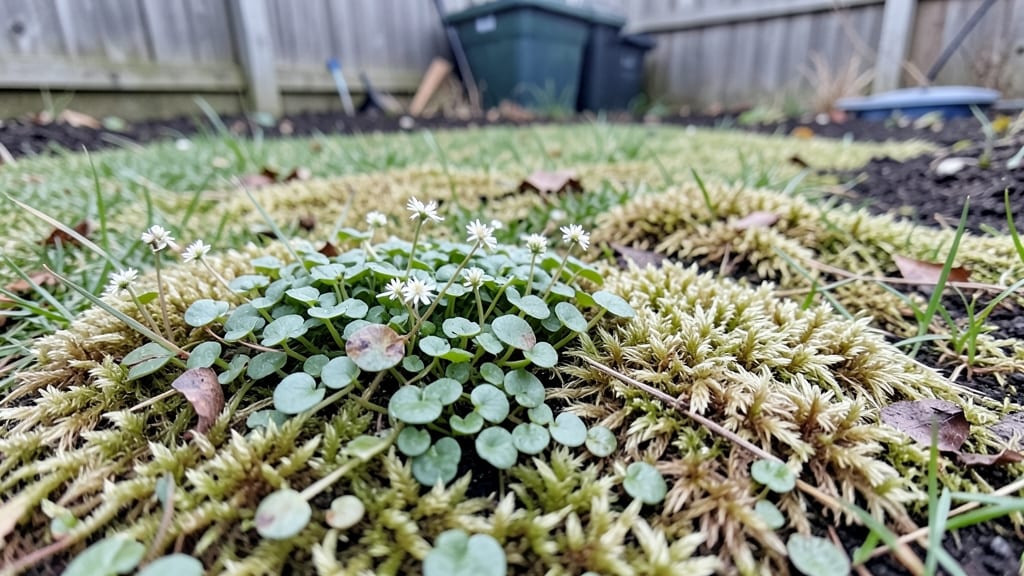
What causes moss in lawns is often a mix of damp, shady spots and acidic soil that chokes out grass—until I realized it was actually crowding out my yard. 🌿 I used to think it was just a natural part of a "wild" lawn…
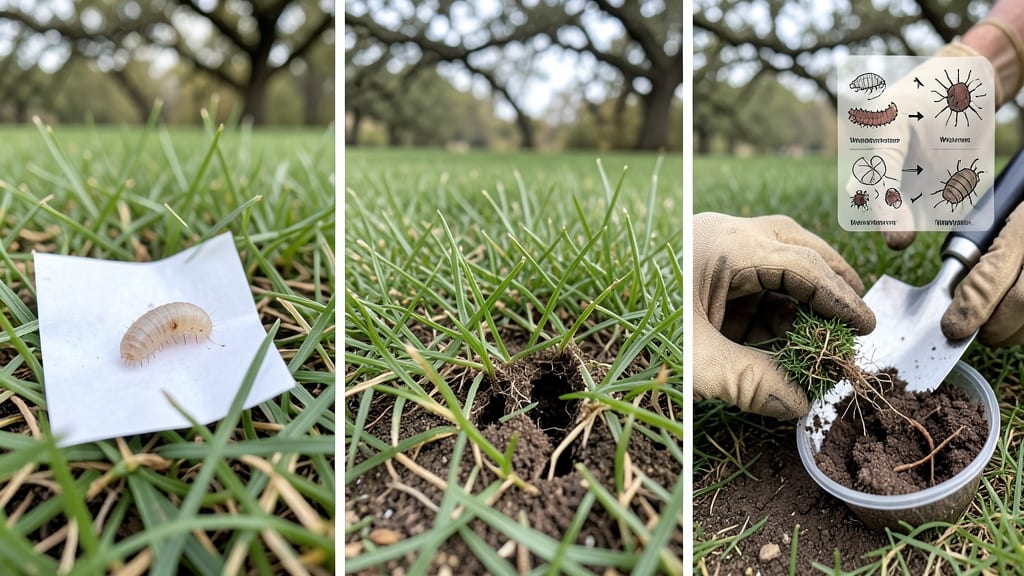
What causes small holes in the lawn isn’t just an eyesore—it’s a sign of an underground battle between pests and your grass. 🌱 I’ve spent too many weekends patching mysterious craters, only to find out it wasn’t moles…
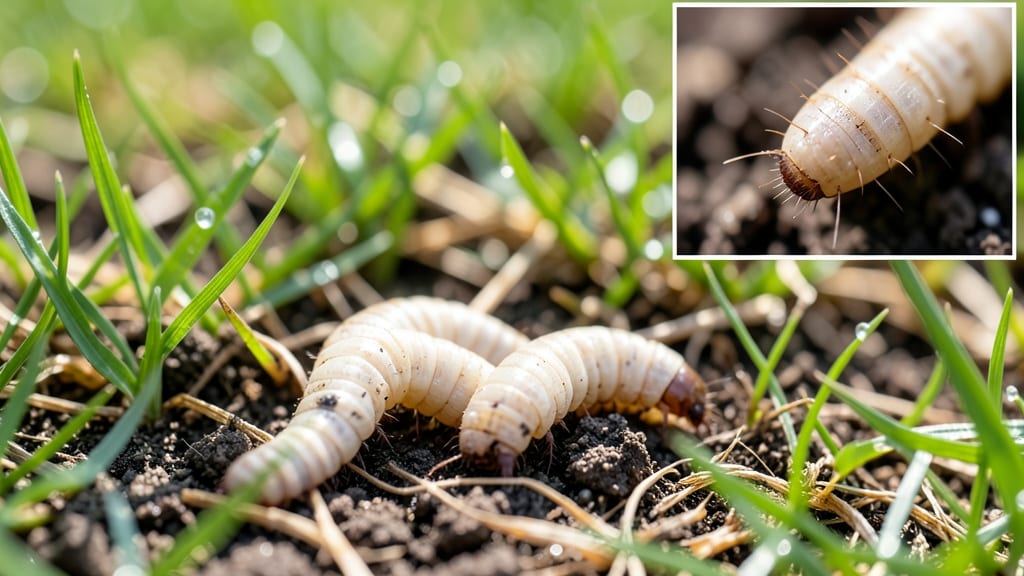
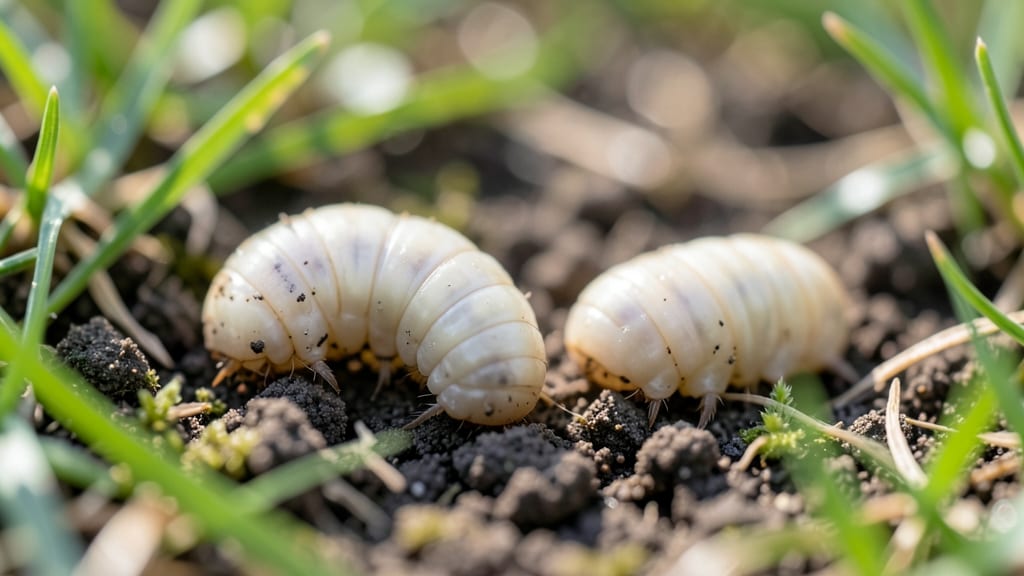
Grubs in lawns don’t just nibble—they devour your grass roots from the inside out, leaving behind patches that look like drought damage. 🌱 I’ve watched healthy lawns turn into brown wastelands overnight, only to realize…
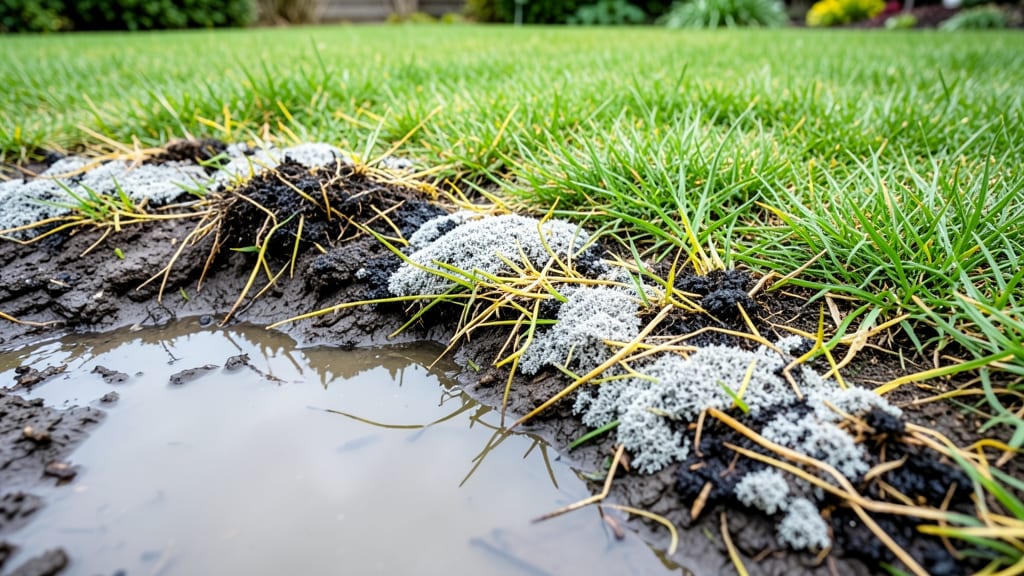
Your lawn looks like a swamp when it's overwatered—soggy patches, mushrooms sprouting overnight, and grass turning yellow despite all that water. 🌱 I've seen this happen after three days of rain or when a sprinkler runs…
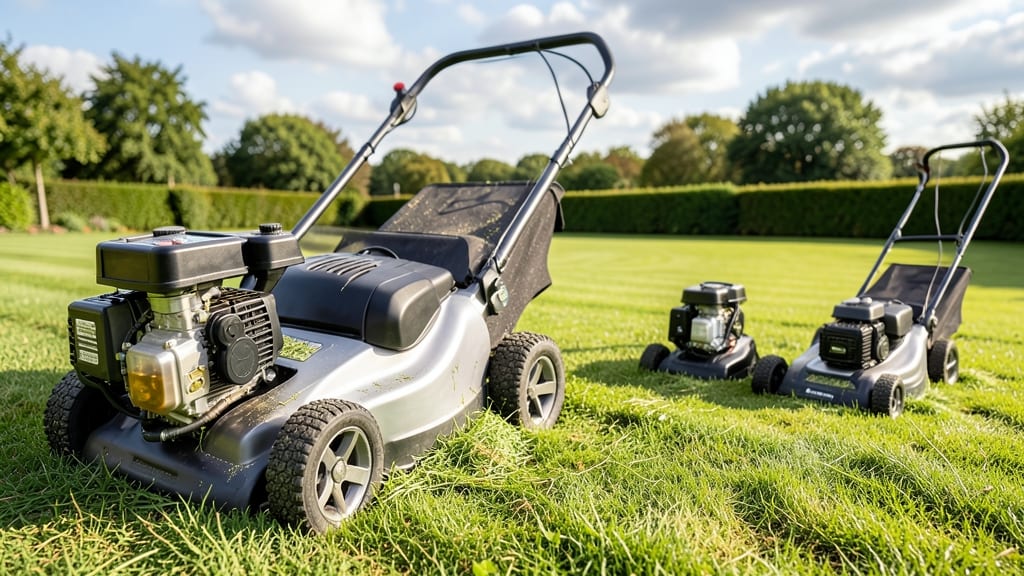
💥 Quick Answer A hydrostatic lawn mower is a type of mower that uses fluid-based transmission to power the cutting deck, offering variable speed control without traditional belts or gears for smoother operation and less…
What to do about grubs in your lawn means brown patches and a struggling yard—unless you act fast. 🌱 I’ve battled these sneaky pests (Japanese beetle larvae, mostly) and learned the 3-step natural fix that saves your…
What to put on your lawn for dog urine can save your grass—until you learn the right way to neutralize it. ✨ The damage isn’t just unsightly; it starves grass roots and creates long-term weak spots. I’ve tested…
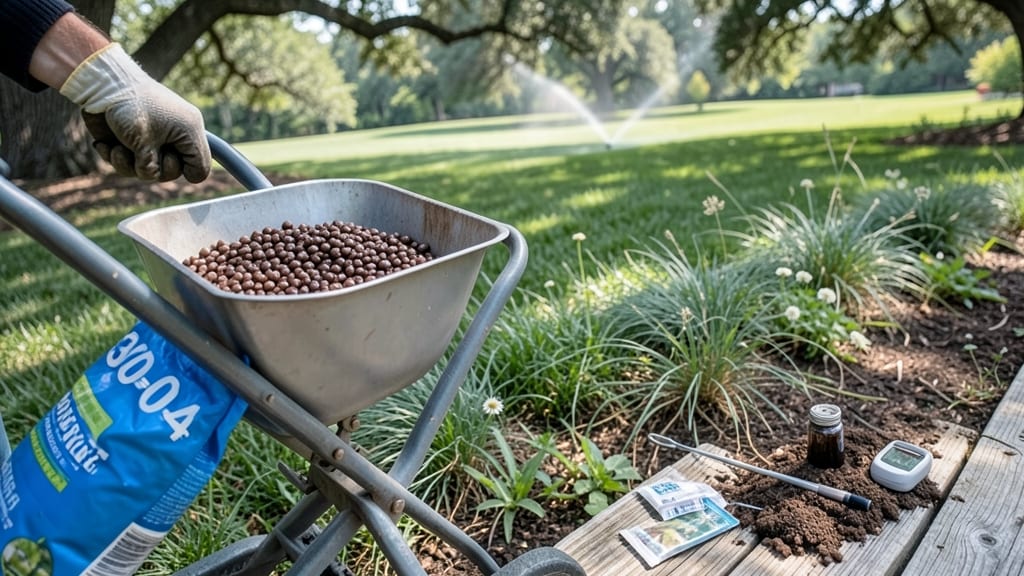
💥 Quick Answer You can fertilize your lawn in early spring (late March to April) or fall (September to October), when soil temperatures reach 55–65°F and grass is actively growing but not stressed by heat or drought…
💥 Quick Answer To fertilize your lawn, time it by grass type and climate: cool-season grasses like Kentucky bluegrass need feeding in early spring and fall, while warm-season grasses such as Bermuda grass thrive with…
Fertilizing your lawn in Texas at the right time can mean the difference between a vibrant, healthy yard and one that struggles under the heat. Texas homeowners know a lush, green lawn is a point of pride—but timing your…