
Lawn
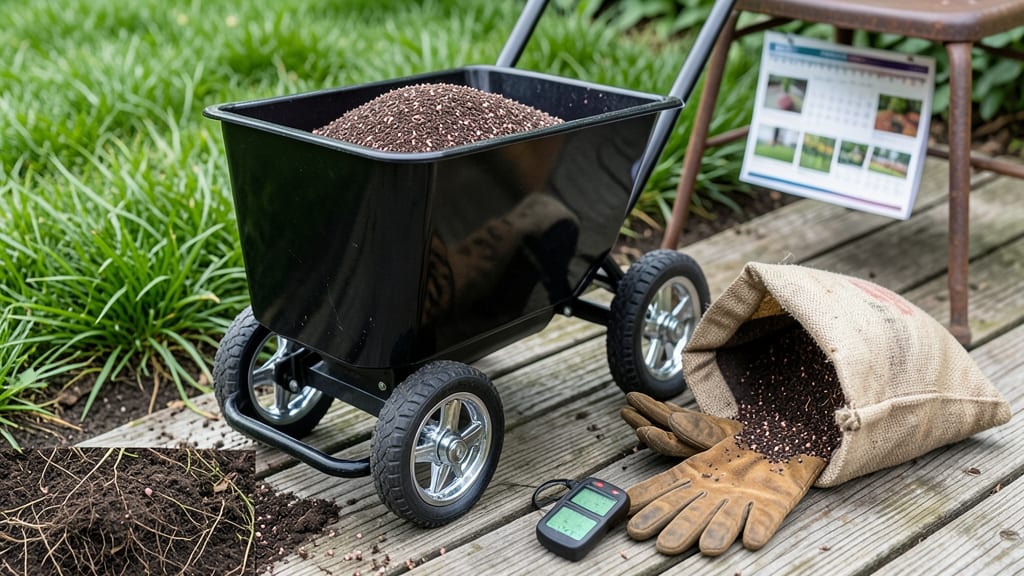
To fertilize your lawn, time it by grass type and climate: cool-season grasses like Kentucky bluegrass need feeding in early spring and fall, while warm-season grasses such as Bermuda grass thrive with summer applications. Always test your soil first and space feedings 6-8 weeks apart, adjusting for drought or heavy foot traffic.
Your lawn's fertilization timing isn't one-size-fits-all—it's all about matching your grass type to its natural growth cycles. Cool-season grasses like fescue and ryegrass grow best in cooler months, so they need their nutrients during early spring (around March) and fall (September-October) to strengthen roots before winter dormancy.
Warm-season grasses, on the other hand, like Bermuda and Zoysia, peak in summer and should get their fertilizer between May and July. 🌱 The key is understanding your grass's dormancy periods: fertilizing at the wrong time can stress your lawn instead of nourishing it.
Climate plays a huge role too. In northern regions (USDA zones 3-5), you might add a light feeding in late summer to help cool-season grasses recover from summer stress, while southern climates (zones 8-10) often benefit from a late-summer feeding to prepare warm-season grasses for winter.
Always check your local climate patterns—drought conditions might mean delaying fertilization until after a good rain.
💡 In This Article
- Seasonal Fertilization Schedule by Grass Type
- Signs Your Lawn Needs Fertilizer vs Other Care
Seasonal fertilization schedule by grass type
Cool-season grasses like Kentucky bluegrass and tall fescue grow most actively when temperatures range between 60-75°F, which typically occurs in spring and fall. This is why their peak fertilization windows are early spring (March-April) and late summer (September-October).
The early spring feeding jumpstarts growth after winter dormancy, while the fall application—about 6-8 weeks before first frost
Warm-season grasses such as Bermuda and Zoysia, however, thrive in summer's 80-95°F temperatures and should receive their primary fertilization between May and July. The key timing is when the grass breaks dormancy in spring and again in early summer to support rapid growth. In southern climates (zones 8-10), a light feeding in late summer (August) can help prepare these grasses for winter dormancy. The science here is about matching nutrient delivery with the grass's metabolic activity—fertilizing during dormancy is wasted effort. Climate zones create additional nuance. In northern regions (zones 3-5), cool-season grasses may benefit from an extra light feeding in late summer to recover from summer stress, while warm-season grasses in southern zones (8-10) might need a late-summer feeding to harden off before winter. The USDA's plant hardiness map is your best guide—it shows average first/last frost dates that dictate when to adjust your schedule. For instance, a zone 7 lawn might shift its fall feeding to early October instead of September to avoid cold snaps. One critical mechanism is the grass's root growth response to temperature. Cool-season grasses grow roots best at 50-60°F, while warm-season grasses need 75-85°F for optimal root development. Fertilizing outside these temperature ranges stresses the grass rather than nourishes it. For example, applying nitrogen-rich fertilizer to cool-season grass in summer can cause it to grow rapidly, only to burn back when temperatures drop—this is why timing is everything. Consider these practical adjustments based on your climate: Pro tip: Always water your lawn after fertilizing to help nutrients penetrate the soil. For cool-season grasses, this means 1-1.5 inches of water over 24 hours, while warm-season grasses may need slightly more (1.5-2 inches) due to higher evaporation rates in summer. 💧