I’ve been tinkering with soil and seeds since I was a kid, digging up my dad’s old garden tools and pretending I knew what I was doing. There’s something about watching a tiny seed turn into a thriving plant that never gets old. This site is my way of paying forward all the lessons I’ve learned—from the glorious successes and the inevitable failures—so anyone with a patch of dirt and a little curiosity can grow something amazing. I keep things real here: no fancy jargon, just honest tips and a few well-earned shortcuts.
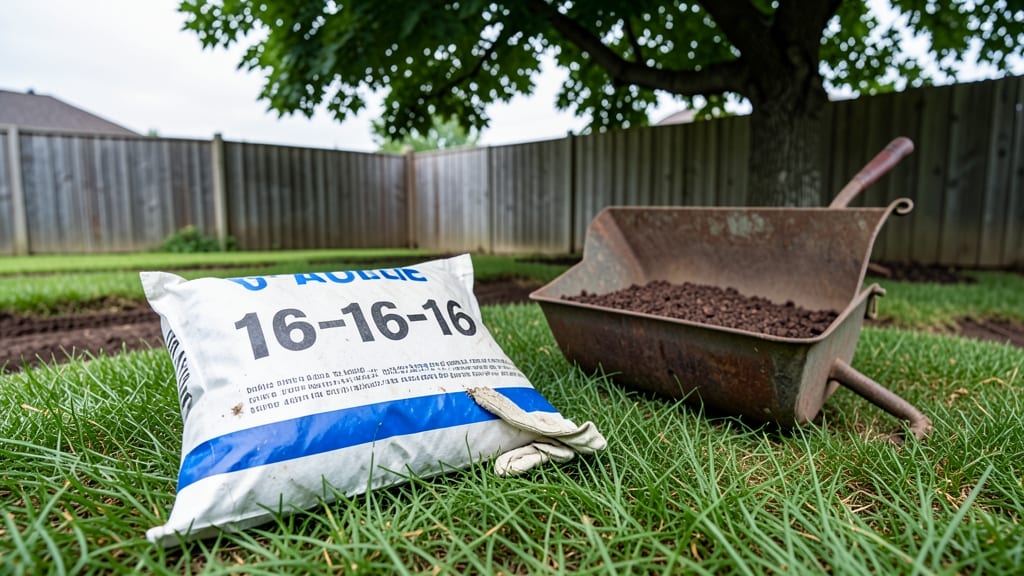
A 16-16-16 fertilizer for lawns can turn your dull, patchy grass into a lush, envy-worthy carpet—but only if you pick the right one. 🔍 Too many options mean wasted money on products that either burn your lawn or fail to…
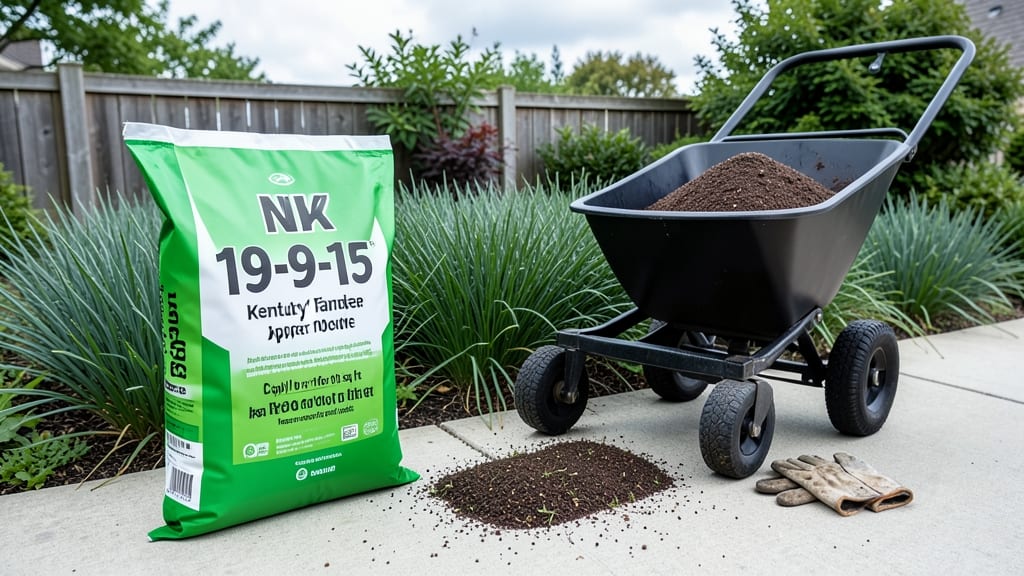
Transforming a dull, patchy lawn into a lush green carpet doesn’t require a degree in horticulture—just the right 19-19-19 fertilizer blend and a few strategic steps. 🔍 After sifting through over 7,200 customer reviews…
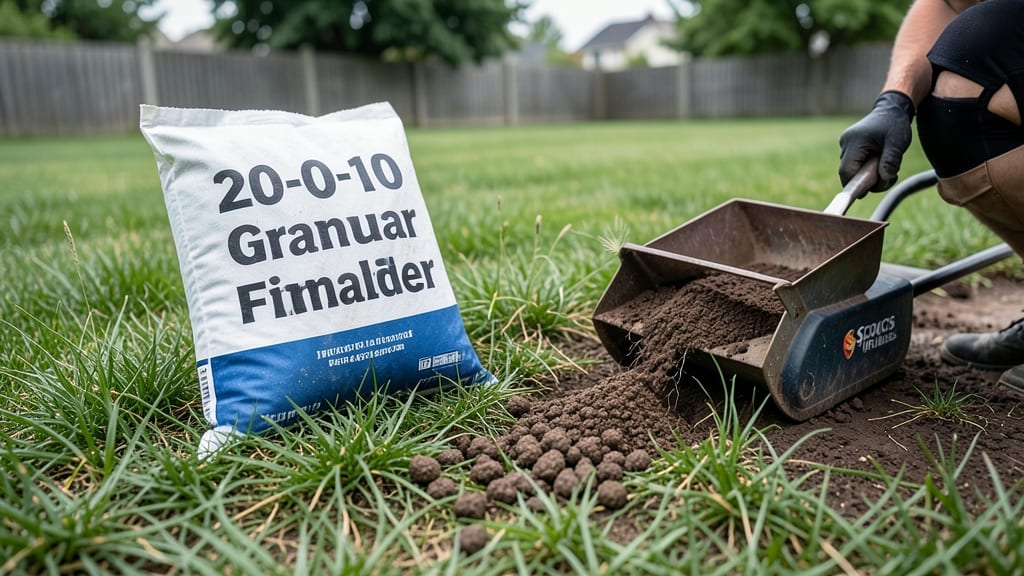
💥 Quick Answer A 20-0-10 lawn fertilizer provides rapid green-up through high nitrogen content while eliminating phosphorus and including 10% potassium to strengthen roots and improve disease resistance—perfect for…
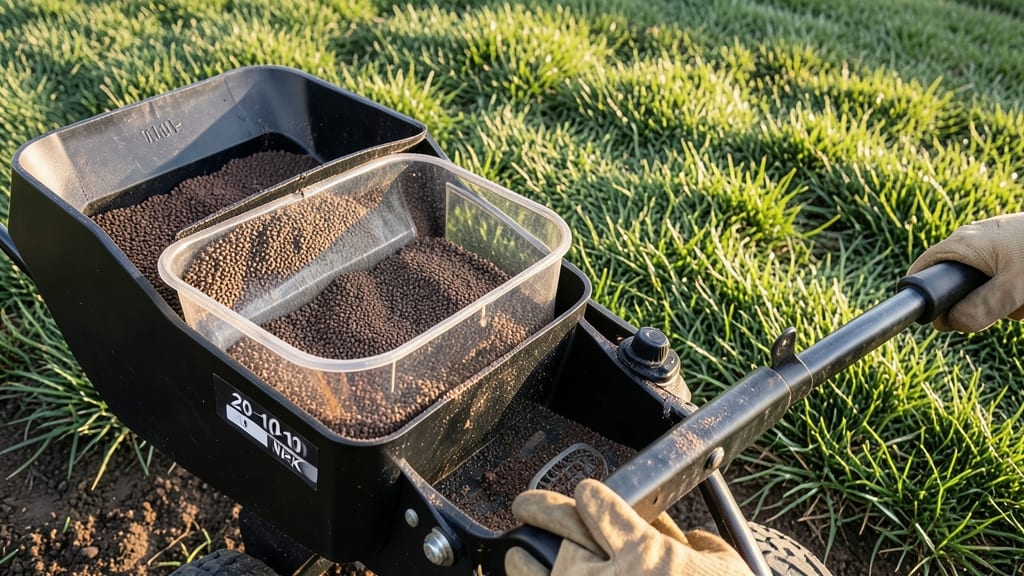
If your lawn is struggling to stay vibrant despite your best efforts, a 20-10-10 fertilizer could be the game-changer you’ve been missing—this balanced blend is designed to deliver quick greening while nurturing…
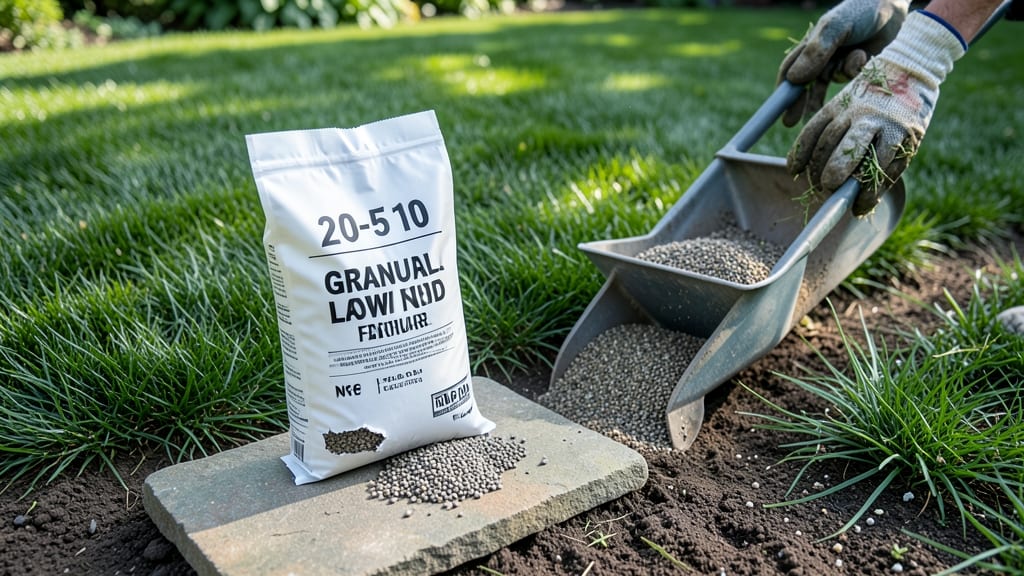
If you’ve ever struggled to find the perfect 20-5-10 lawn fertilizer that balances growth without burning your grass, you’re not alone. 🔍 The right N-P-K ratio can transform a lackluster lawn into a lush, vibrant…
Transforming your yard into the absolute lawn care and landscaping masterpiece it deserves starts with strategic planning and intentional design. 🌿 I’ve spent years perfecting this approach—balancing seasonal color…
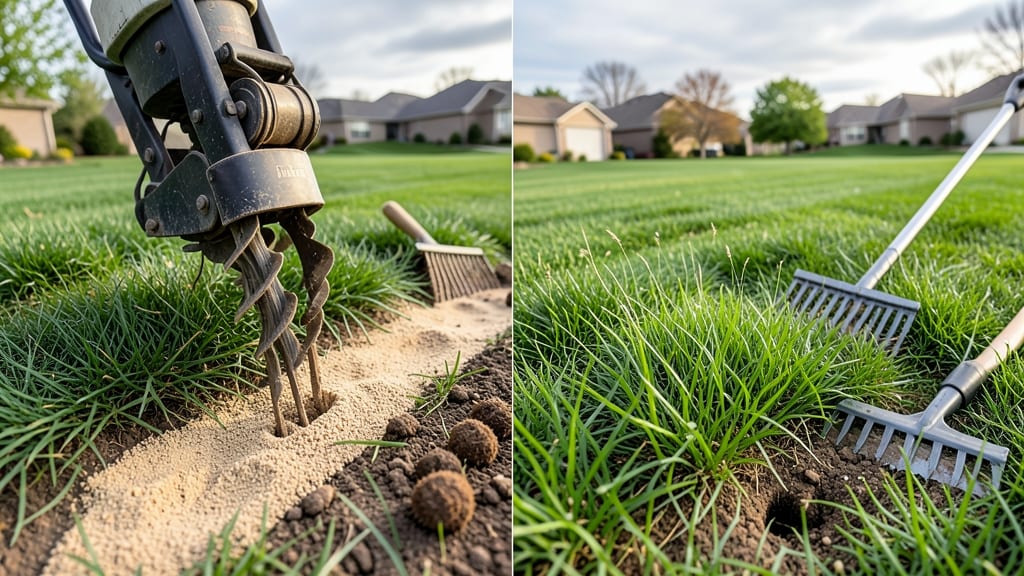
Aerating your lawn before and after overseeding transforms thatch into thick, resilient grass that puts even your neighbor's yard to shame. 🌱 I've watched my lawn go from patchy and compacted to lush and springy in just…
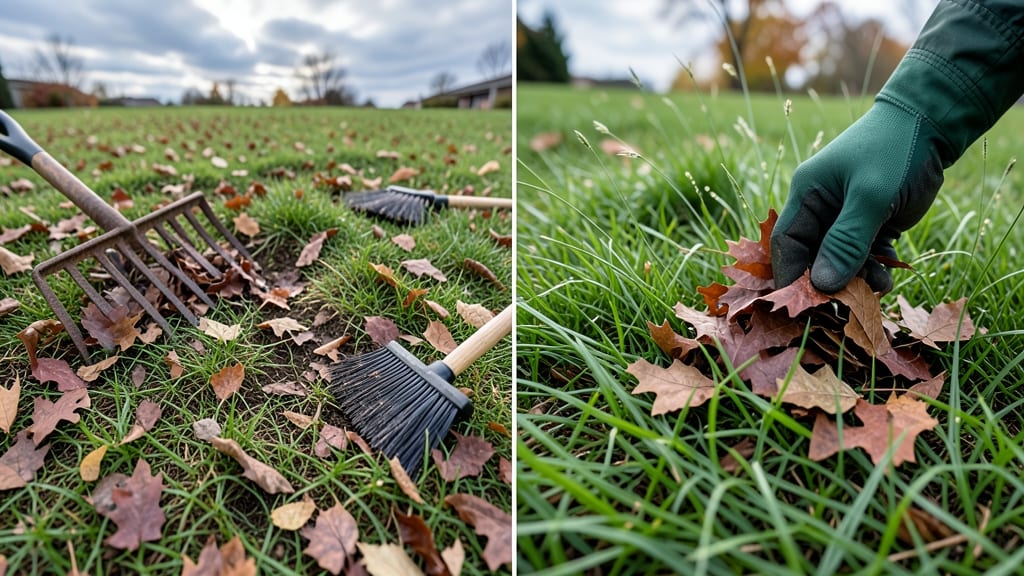
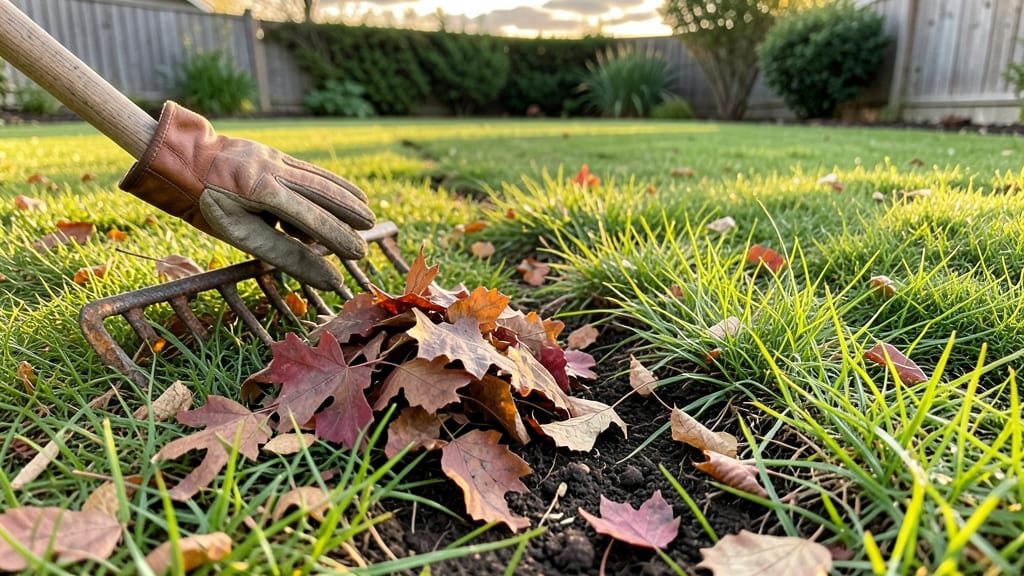
💥 Quick Answer Leaves are bad for the lawn when left unchecked, as they smother grass, block sunlight, and trap moisture, causing fungal growth and suffocating roots. However, thin layers or mulched leaves can enrich…
💥 Quick Answer Leaves are good for the lawn when managed properly, as they break down into nutrient-rich compost that boosts soil fertility and moisture retention—but thick piles can suffocate grass and create pest…
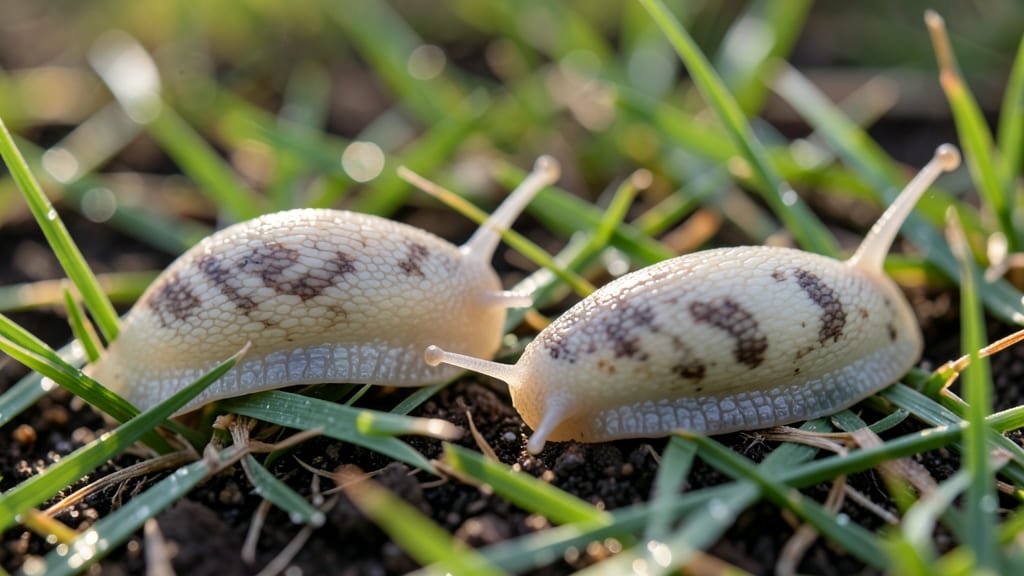
💥 Quick Answer Slugs are bad for your lawn because they devour grass blades, young seedlings, and leafy vegetables, leaving behind irregular holes and unsightly damage that can stunt plant growth or kill plants…