
Fertilization
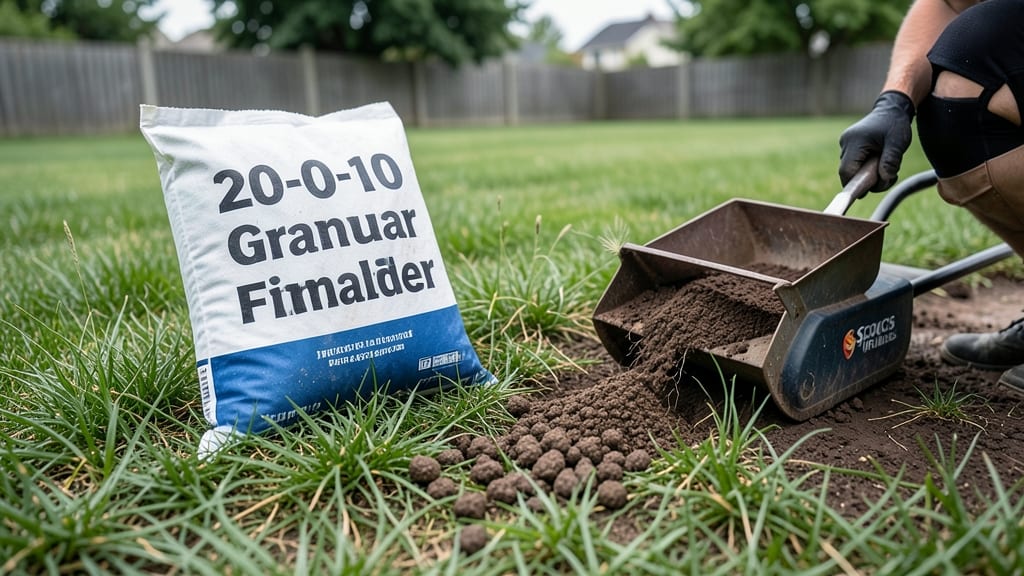
A 20-0-10 lawn fertilizer provides rapid green-up through high nitrogen content while eliminating phosphorus and including 10% potassium to strengthen roots and improve disease resistance—perfect for revitalizing mature grass without risking phosphorus buildup.
A 20-0-10 blend is specifically designed for lawns that already have healthy root systems, which is why it skips phosphorus—a nutrient more critical for new plant growth than established turf. 🌱 The nitrogen kickstarts vibrant leaf production, while potassium acts like a shield against stress and disease.
I’ve seen this ratio transform tired lawns in just a few weeks, especially when applied in early spring or late fall when grass is actively growing but not under extreme heat stress.
What makes this fertilizer stand out is its targeted approach—it avoids phosphorus, which can accumulate in soil and contribute to runoff issues, while still delivering the potassium needed for overall plant resilience.
For best results, I recommend applying it when temperatures are moderate (between 50°F and 75°F) and watering thoroughly afterward to help nutrients penetrate the soil. This isn’t a one-time fix; think of it as a strategic boost rather than a complete replacement for regular lawn care.
💡 In This Article
- Decoding the 20-0-10 N-P-K Ratio for Lawn Health
- Best Times and Techniques for Applying 20-0-10 Fertilizer
Decoding the 20-0-10 n-p-k ratio for lawn health
The 20-0-10 ratio is all about nitrogen dominance, which is why you'll see that first number so much higher than the others. Nitrogen fuels the chlorophyll production in grass blades, giving your lawn that lush, vibrant green color you crave.
When applied, this nitrogen works by promoting cell division in the leaf tissue, which is why you'll notice rapid growth within just a few days of application.
Think of it like giving your lawn a caffeine boost—it wakes up the grass and gets it growing faster than it would naturally. 🌿
Phosphorus is intentionally left out of this blend because established lawns typically have enough stored phosphorus in the soil. Phosphorus is more critical during the early stages of plant growth, helping roots and seedlings develop.
Once your lawn is mature, excess phosphorus can actually cause problems—it can accumulate in the soil and contribute to runoff, which harms waterways by promoting algae blooms. The 0% phosphorus in this ratio makes it a safer choice for the environment while still delivering the other nutrients your lawn needs.
Potassium, represented by the 10% in the ratio, plays a supporting role but is absolutely essential. It helps regulate water movement within the plant cells, which improves drought tolerance and cold hardiness.
Potassium also strengthens the cell walls, making your grass more resistant to diseases like brown patch or dollar spot. Without enough potassium, your lawn would be like a house with weak foundations—it might look okay on the surface, but it's vulnerable to stress.
This is why the 10% potassium acts as a protective layer, ensuring your lawn stays resilient even when faced with heatwaves or pests.
To put this into perspective, compare it to a 10-10-10 fertilizer, which is more balanced and often recommended for new lawns or those needing a complete nutrient boost.
The 20-0-10 is like the "express lane" for nitrogen—it's not meant to replace a balanced fertilizer entirely but to give your lawn a quick, targeted push when it needs it most.
For example, if your lawn has been looking dull after winter, a 20-0-10 application in early spring can jumpstart the recovery process without overwhelming the soil with unnecessary nutrients.
Here’s what happens when you apply it correctly: The nitrogen gets absorbed quickly, leading to visible greening within 7-14 days. Meanwhile, the potassium works behind the scenes, reinforcing the root system so your lawn can handle whatever comes next—whether it’s summer heat or a sudden frost.
The key is to avoid overdoing it; too much nitrogen can lead to thatch buildup or even burn the grass if not watered in properly. 💧
For a real-world example, consider a 5,000 sq ft lawn. A typical 20-0-10 bag covers about 5,000 sq ft when applied at the recommended rate of 10 lbs per 1,000 sq ft. This means you’d use one full bag for your entire lawn.
The nitrogen in that bag is equivalent to about 2 lbs of actual nitrogen, which is enough to give your grass a significant growth boost without overfeeding it. The potassium, while smaller in percentage, plays a crucial role in making sure that growth is sustainable and healthy.