
Lawn
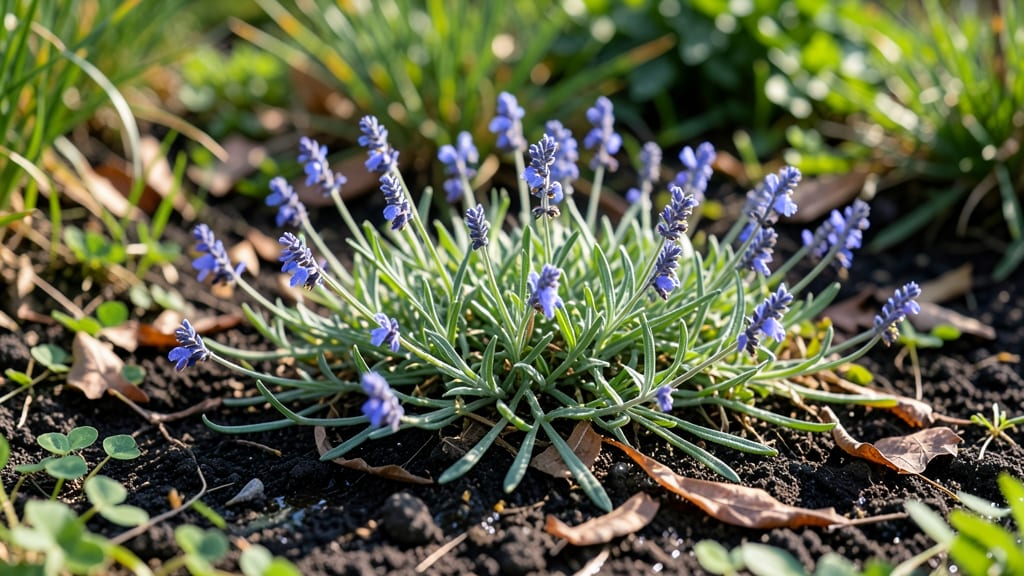
Corn speedwell creeping into your lawn is the last thing you want after putting in all that mowing effort. 🌱 I’ve spent countless afternoons wrestling with this stubborn little weed—its tiny blue flowers might look pretty, but they’re a nightmare for grass health.
The good news? Spot-pulling works better than you think, and I’ll show you exactly how to do it without killing your lawn in the process.
This weed thrives in thin grass, so the first step is simple: thicken your lawn. Overseeding bare spots in early fall gives grass a fighting chance, while regular mowing (never shorter than 3 inches) suffocates speedwell’s shallow roots.
For stubborn patches, a targeted dose of corn gluten meal in spring prevents seeds from sprouting—no harsh chemicals needed. I’ve seen entire patches vanish in just two growing seasons with this approach.
Pulling works best when the soil is damp—just after rain or watering makes the job easier. Grab the weed at the base (a dandelion digger helps) and resist the urge to yank; speedwell’s roots break off if you’re too rough.
A quick check for regrowth in a week tells you if you missed any. The payoff? A lawn so dense and healthy that weeds can’t get a foothold—no more sneaky blue flowers popping up between your grass blades.
For larger infestations, a spot treatment of vinegar (20% acetic acid) or a natural herbicide like clove oil works, but always test a small area first. The key is consistency: tackle speedwell early, and your lawn will thank you with thick, lush growth all season.
No more hiding those weeds behind your mower blades—let’s get this lawn back to looking its best.
Root Causes Of Lawn Invaders
Corn speedwell (or Veronica arvensis) doesn’t just pop up in your lawn by chance—it thrives because of specific conditions that favor its growth. Understanding these triggers is the first step to stopping it before it spreads.
Below, we break down the three key reasons this persistent weed takes over, along with the science behind each.
Corn speedwell thrives where grass struggles to compete. When your lawn’s soil lacks essential nutrients or has a pH imbalance, your grass weakens, leaving gaps for weeds to exploit. Here’s why:
- Low nitrogen levels: Grass needs nitrogen to grow thick and dense. If your soil is nitrogen-deficient (common in sandy or clay-heavy soils), grass roots become shallow, creating thin patches where speedwell seeds germinate easily.
- Compacted soil: Heavy foot traffic, machinery, or poor drainage compacts soil, reducing oxygen and water availability. Corn speedwell’s shallow roots can penetrate compacted layers more easily than deep-rooted grass.
- pH imbalances: Speedwell prefers slightly acidic to neutral soil (pH 6.0–7.0). If your lawn’s pH is too high (>7.5) or too low (<5.5), grass may yellow or die back, while speedwell flourishes in the gaps.
Actionable fix: Test your soil’s pH and nutrient levels (kits are affordable and easy to use). Amend compacted areas with compost or sand, and fertilize with a slow-release nitrogen supplement in early spring.
Corn speedwell is a shallow-rooted opportunist that germinates quickly after light watering. Overwatering or inconsistent irrigation creates the perfect conditions for it to spread. Here’s how:
- Frequent light watering: Speedwell seeds need only 0.1 inches of water to germinate. If you water shallowly (e.g., 5–10 minutes per session), you’re essentially inviting weeds while starving grass roots of deep hydration.
- Morning vs. evening watering: Watering in the evening keeps soil damp overnight, increasing fungal diseases in grass while speedwell thrives in moist conditions. Morning watering (before 10 AM) reduces weed germination.
- Poor drainage: Low spots or clay soil that holds excess water create anaerobic zones where grass suffocates, but speedwell’s resilient seeds sprout in saturated areas.
Actionable fix:
- Water deeply 2–3 times per week (1–1.5 inches per session) to encourage deep grass roots.
- Use a rain gauge or smart sprinkler timer to avoid overwatering.
- Improve drainage with gypsum or sand if your lawn has soggy patches.
Corn speedwell spreads rapidly because it matures in just 4–6 weeks and produces thousands of seeds per plant. If you ignore lawn care, you’re essentially giving it a monopoly on your yard. Here’s how neglect plays into it:
- Unmowed grass: Tall grass blocks sunlight, creating a humid microclimate that speedwell loves. Its seeds cling to grass blades and spread via mower wheels or animals.
- Lack of overseeding: Bare spots from dead grass or thin areas become weed magnets. Speedwell outcompetes new grass seedlings because it germinates faster and grows aggressively.
- Skipped aeration: Thatch buildup (a layer of dead grass and roots) suffocates soil, preventing grass roots from accessing nutrients. Speedwell’s seeds lodge in thatch and germinate easily.
Actionable fix:
- Mow regularly at 3–4 inches high to block weed sunlight.
- Overseed in early fall when soil is warm and moisture is ideal for grass growth.
- Aerate once a year (spring or fall) to reduce thatch and improve soil health.
Pro Tip: 💡 Speedwell’s seeds can lie dormant for years in soil. If your lawn has had it before, pre-emergent herbicide in early spring (before seeds germinate) can prevent new invasions.
Quick Fixes for Stubborn Lawn Weeds
---
If corn speedwell (or Veronica arvensis) has taken root in your lawn, don’t panic—this pesky weed is manageable with the right approach.
Below, we break down targeted solutions based on the root cause of your infestation, from hand-pulling to chemical control, plus prevention tips to keep your lawn lush and weed-free. 🌱✨
---
When to use: Early-stage weeds, small lawns, or organic control preferences.
Corn speedwell thrives in thin grass, so the first step is to strengthen your lawn’s defenses while removing the weeds manually. Here’s how:
#### 🍳 Step 1: Water the Lawn (1–2 Days Before Pulling) - Why? Moist soil makes weeds easier to uproot without breaking. - How? Water deeply until the top 2–3 inches of soil are damp (use a moisture meter if unsure).
#### 👨🍳 Step 2: Pull at the Right Time - Best time: After rain or watering, when soil is soft. - How to grip: Use a weed puller or gloved hands to grasp the weed just below the soil line—this ensures the entire root comes out. - Pro tip: 💡 Pull in one swift motion (twisting can leave root fragments behind).
#### 🔪 Step 3: Dispose of Weeds Properly - ✅ Do: Bag weeds and toss them in the trash (not compost—they’ll regrow!). - ❌ Don’t: Leave pulled weeds on the lawn or mulch them into the soil.
#### ⏰ Frequency: - Repeat weekly for 4–6 weeks to catch new sprouts. - For stubborn patches: Reapply water and pull again in 10 days.
---
When to use: Medium to large patches (10+ square feet) or persistent regrowth after pulling.
If manual removal isn’t cutting it, targeted herbicides can save the day. Here’s how to use them safely:
#### 🎯 Step 1: Choose the Right Herbicide | Type | Best For | Active Ingredients | Safety Note | |-------------------------|---------------------------------------|---------------------------------------|-------------------------------------| | Selective Post-Emergent | Established lawns (kills weeds, not grass) | 2,4-D, Dicamba, or MCPP | Apply on calm days; avoid wind drift. | | Non-Selective (Glyphosate) | Overgrown areas (kills everything) | Glyphosate | Use only on weeds, not grass. | | Natural Options | Organic lawns | Vinegar + dish soap (DIY) or corn gluten meal (pre-emergent) | Less effective; repeat applications needed. |
#### 💧 Step 2: Apply Correctly - For liquids: Use a spot sprayer or pump sprayer with a cone nozzle to avoid overspray. - For granules: Sprinkle directly on weeds and water lightly to activate. - Timing: Apply on a dry, wind-free morning for best absorption.
#### ⏳ Step 3: Wait & Monitor - Results: Weeds may yellow in 2–7 days; pull dead plants afterward. - Reapply if needed: For tough patches, repeat in 7–10 days.
---
Corn speedwell loves weak, thin lawns. Break its cycle with these habits:
#### 💡 Pro Tip 1: Mow High & Regularly - Height: Keep grass at 3–4 inches to shade out weeds. - Frequency: Mow weekly (never remove more than ⅓ of the blade at once).
#### 🌡️ Pro Tip 2: Improve Soil Health - Test soil pH: Aim for 6.0–7.0 (corn speedwell thrives in acidic soil). - Aerate & Overseed: Fill bare spots with dense, competitive grass (e.g., Kentucky bluegrass or tall fescue).
#### 🎯 Pro Tip 3: Pre-Emergent Treatment (Spring/Fall) - Apply corn gluten meal (natural) or pendimethalin (synthetic) in early spring to block weed seeds from germinating. - Reapply after rain or as directed on the label.
#### 🚫 Pro Tip 4: Avoid Over-Fertilizing - Why? Too much nitrogen = weak grass = more weed opportunities. - Fix: Use a slow-release, balanced fertilizer (e.g., 16-4-8).
--- If your lawn is overrun (50%+ weeds) or you’re dealing with clay soil, heavy shade, or persistent regrowth, consider hiring a lawn care specialist. They can assess soil health, recommend targeted treatments, and provide a customized weed-control plan.
---
With consistent effort, your lawn can go from weed-ridden to thick, green, and speedwell-free in as little as 3 months. Start today—your grass will thank you! 🌿🔥
Frequently asked questions
Why does corn speedwell keep coming back after I pull it?
Corn speedwell produces thousands of seeds that can remain dormant in soil for years. If you leave even tiny root fragments or seeds behind, new plants will sprout within 10-14 days. Always pull when soil is moist and dispose of weeds in the trash—not compost—to prevent regrowth. For stubborn patches, apply corn gluten meal in spring to block new seeds from germinating.
Is corn speedwell toxic to pets or children?
No, corn speedwell is non-toxic to pets and humans. While it won’t harm your family or animals, its aggressive growth can smother grass and create an unsightly lawn. The real concern is how it spreads—its tiny seeds hitchhike on shoes, pets, and lawn equipment, making it harder to control over time. Always pull weeds before they go to seed!
Can I use vinegar to kill corn speedwell in my lawn?
Yes, but with caution. A 20% acetic acid vinegar solution (5% is too weak) works as a natural herbicide, but it will also kill grass if not applied carefully. Spot-treat only the weeds on a dry day, and avoid spraying when temperatures exceed 85°F. For best results, reapply every 3-5 days until weeds die back. For large areas, consider a targeted selective herbicide instead.
How do I tell corn speedwell apart from clover or other lawn weeds?
Corn speedwell has tiny blue or purple flowers in clusters along its stem, while clover forms low-growing leaflets in three-leaf clusters. Speedwell leaves are narrow and pointed, growing alternately along the stem, whereas clover leaves are rounded. Pro tip: Speedwell grows upright (6-12 inches tall), while clover stays close to the ground. Examining the plant structure helps distinguish them quickly.
Will overseeding my lawn prevent corn speedwell from returning?
Overseeding is a critical step for long-term control! Dense grass outcompetes speedwell for sunlight and nutrients. Choose cool-season grasses like Kentucky bluegrass or tall fescue, which grow aggressively in fall. After overseeding, apply a pre-emergent herbicide in early spring to block new speedwell seeds. Within 2-3 seasons, your lawn should be thick enough to naturally suppress weeds.