
Pests
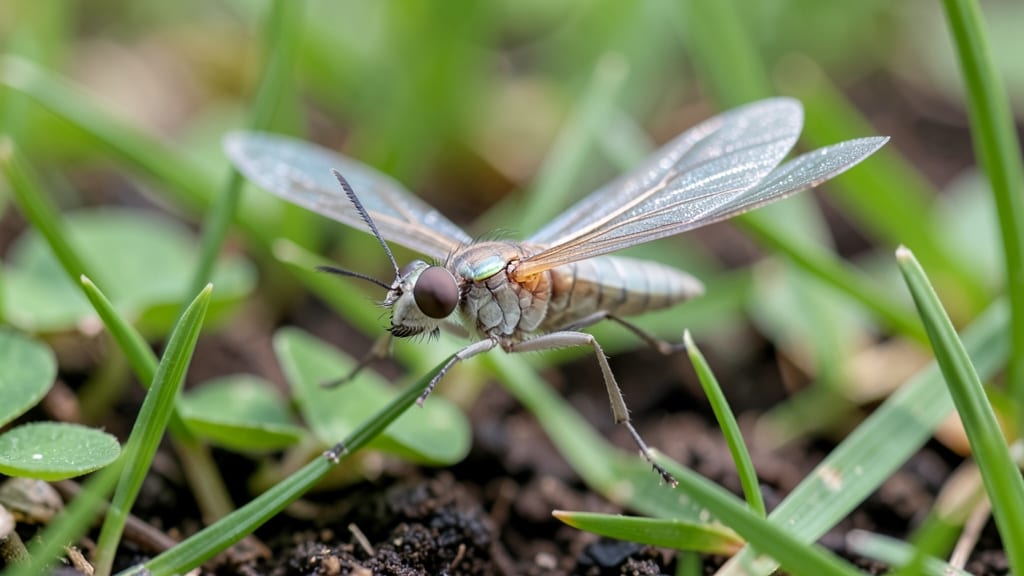
Small flying bugs swarming your lawn?
That annoying cloud of tiny fliers isn't just a nuisance—it's a sign your yard needs a reset. 🌱 I've battled fungus gnats, midges, and hoverflies, and I'll show you how to turn them into a one-time annoyance instead of a seasonal headache with a neem oil trap that works in days.
The key is understanding what you're dealing with: some bugs are harmless (like hoverflies that pollinate), while others chew roots or spread disease. My go-to solution combines a simple neem oil trap with cultural fixes like adjusting watering and aerating compacted soil.
No harsh chemicals needed—just targeted action that stops the cycle fast. By the end of this, you'll have a lawn that stays bug-free without sacrificing grass health. The secret is timing: set up traps before populations explode, and you'll see results within 3-5 days of consistent application.
Works for backyards, lawns, and even container gardens where gnats love to thrive. Let's get those tiny fliers under control once and for all."
What Lures Tiny Winged Invaders
If your lawn has become a hotspot for small flying bugs—like gnats, fungus gnats, or even those pesky midges—you’re not just dealing with a random nuisance. These tiny winged visitors are drawn to your yard for specific reasons, often tied to moisture, organic matter, or even your landscaping choices.
Understanding why they’re there is the first step to outsmarting them. Let’s break down the science behind their attraction.
Small flying bugs, especially fungus gnats and midges, are water-loving insects. Overwatered lawns, soggy patches, or poor drainage create the perfect breeding ground. Here’s why:
- Fungus gnats thrive in damp, organic soil because their larvae feed on fungal growth and decaying plant matter. If your lawn stays wet for more than a few days, you’re essentially running a bug buffet. 🍽️
- Mosquitoes and midges lay eggs in stagnant water, which can include puddles, clogged gutters, or even the moisture trapped under mulch or thick thatch. A single teaspoon of standing water can hatch hundreds of larvae! 🌊
- Poor drainage (like compacted soil or clay-heavy ground) prevents water from draining, leaving the topsoil perpetually damp—a gnat’s dream.
Actionable fix: Let the top 1–2 inches of soil dry out between waterings. Test drainage by digging a small hole, filling it with water, and timing how long it takes to drain. If it’s slower than 6 hours, amend with compost or sand to improve aeration. 🌱
Your lawn isn’t just grass—it’s a living ecosystem, and decomposing plant material (like dead leaves, grass clippings, or thatch) acts as a buffet for tiny flying pests. Here’s the breakdown:
- Thatch buildup (a layer of dead grass and roots) traps moisture and creates a cozy shelter for gnat larvae. A thatch layer thicker than ½ inch is a red flag. 🚩
- Leaf litter and mulch provide shelter and food for fungus gnats and other soil-dwelling insects. Piles of leaves or thick mulch beds can become breeding hotspots.
- Compost piles or wood chips near your lawn may attract midges and fruit flies, which are drawn to fermenting organic material.
Actionable fix:
- Rake up thick thatch or leaf litter and dispose of it away from your lawn.
- Use a dethatching rake in spring to break up compacted thatch.
- Avoid piling mulch or compost directly against your lawn’s edge.
Healthy grass is resilient, but when it’s stressed—whether from over-fertilization, drought, or disease—it becomes a magnet for pests. Here’s how:
- Excess nitrogen in fertilizers promotes lush top growth but weakens roots, making soil more susceptible to fungal growth—which fungus gnats adore. 🍄
- Thin or patchy grass leaves bare soil exposed, which warms up faster and holds moisture longer, creating ideal conditions for gnat larvae.
- Diseased grass (like brown patch or dollar spot) attracts fungus-feeding insects, turning your lawn into a pest paradise.
Actionable fix:
- Switch to a slow-release, balanced fertilizer (low in nitrogen) to avoid overfeeding.
- Test your soil’s pH and adjust if it’s too acidic (fungus gnats thrive in pH 6.0–7.0).
- Overseed bare spots in fall to thicken grass and outcompete weeds/pests.
Temperature and humidity play a huge role in the life cycle of small flying bugs. Most species are most active when:
- Nighttime warmth (60–80°F) encourages adults to emerge and mate.
- High humidity (above 70%) keeps soil moist longer, extending larval survival.
- Rainy seasons trigger mass hatching of eggs laid in damp conditions.
If you live in a humid climate or experience sudden rain after dry spells, expect a surge in activity. 🌧️
Actionable fix:
- Water deeply but infrequently (early morning) to reduce humidity near the soil surface.
- Use a soaker hose instead of sprinklers to minimize evaporation and runoff.
- Consider dehumidifiers in crawl spaces if your lawn sits on a damp foundation.
Pro Tip: 🔍 Spot-check your lawn at dusk—that’s when many flying bugs are most active. Look for tiny black or gray insects hovering near the grass or clustering on leaves. If you see them, you’ve likely got a moisture or organic-matter issue to address.
Eliminate Flying Pests Naturally
Tired of tiny, buzzing intruders ruining your lawn’s peace? The good news is that you don’t need harsh chemicals to tackle these flying pests—just targeted, eco-friendly solutions.
Below, we’ll match the most common causes of small flying bugs in your yard with practical fixes, plus tips to keep them from coming back. Let’s reclaim your outdoor space, one step at a time! 🚀🌿
If your lawn feels like a swamp after rain, fungus gnats and other moisture-loving pests will move in. The fix? Improve drainage and reduce standing water.
- 🍳 Fix the Drainage - Aerate compacted soil with a garden fork or rent a core aerator to let water drain faster. - Raise low spots by adding a thin layer of sand or compost (about ½ inch) and level it out. - Install a French drain or swales (shallow trenches) to redirect water away from problem areas. - 👨🍳 Reduce Overwatering - Water deeply but less frequently—aim for 1 inch per week (including rainfall). - Water in the early morning so soil dries quickly. - Avoid puddles by checking sprinkler heads for leaks or misalignment. - ⏰ Pro Tip: If your yard floods often, consider installing a rain garden or permeable paving in high-traffic areas.Piles of leaves, grass clippings, and mulch create the perfect hiding spot for pests like fungus gnats, springtails, and even tiny midges. A quick cleanup goes a long way.
- 🔪 Remove Organic Debris - Rake up leaves, twigs, and thatch from your lawn and compost them (or bag them if they’re diseased). - Trim back thick vegetation near your home’s foundation to eliminate dark, damp nesting spots. - Empty gutters and downspouts to prevent water buildup that attracts pests. - 🌡️ Prevent Future Buildup - Mow regularly to keep grass clippings from piling up. - Use a leaf blower or vacuum for hard-to-reach areas like under decks or sheds. - Store firewood at least 20 feet away from your house and elevate it off the ground. - 💡 Pro Tip: If you compost, turn the pile frequently and keep it in the sun—this discourages pests from taking up residence.Too much nitrogen or organic matter (like fresh manure) can trigger explosions of fungus gnats, shore flies, and other tiny fliers. Balance is key!
- 📊 Reassess Your Fertilizer - Test your soil with a DIY kit (available at garden centers) to check nitrogen levels. - Switch to a slow-release, organic fertilizer (like compost or worm castings) to avoid spikes in food sources for pests. - Follow the “less is more” rule: Apply fertilizer in early spring or fall, not during peak growing season. - 🥗 Avoid Fresh Mulch or Manure - If you’ve recently added fresh mulch or composted manure, wait 4–6 weeks before expecting a pest surge. - Top-dress with a thin layer of sand or perlite to dilute organic matter and improve drainage. - ✨ Pro Tip: If fungus gnats are the culprit, let the top layer of soil dry out between waterings—this disrupts their life cycle.For a fast, chemical-free solution, a DIY neem oil trap is your secret weapon. This method lures and drowns flying pests while breaking their life cycle.
- 🍳 Make the Trap - Mix 1 tablespoon of neem oil with 1 cup of dish soap in a gallon of warm water. - Stir well and pour into a shallow tray, bucket, or even a pie tin. - Place traps near problem areas (under shrubs, by the foundation, or in damp spots). - 👨🍳 Why It Works - The soap lowers the surface tension of the water, trapping pests instantly. - Neem oil disrupts their nervous system and reproductive cycles, reducing future hatches. - Replace the liquid every 2–3 days for maximum effectiveness. - ⏰ Pro Tip: Add a splash of apple cider vinegar to the trap—its scent attracts more pests!With these targeted fixes, you’ll see fewer flying pests in as little as a week. The key is consistency: keep your lawn dry, clean, and balanced, and those tiny invaders won’t stand a chance. 🚫🐜 Ready to try it?
Frequently asked questions
Are those tiny flying bugs actually harmful to my lawn?
Most small flying bugs like fungus gnats or midges are harmless to grass itself, but they can indicate underlying issues like overwatering or poor drainage. The real concern is their larvae—fungus gnat larvae damage roots, while mosquito larvae create breeding grounds. Focus on fixing moisture problems first.
Why do I see more of these bugs after rain?
Rain triggers mass hatching of eggs laid in damp soil or standing water. Midges and fungus gnats need moisture to complete their life cycles—so after heavy rain, you'll see adult flies emerge within 24-48 hours. This is why proper drainage is your first defense.
Will neem oil traps hurt my plants or pets?
No, neem oil traps are completely safe for plants and pets when used correctly. The soap in the mixture only affects flying insects, and neem oil breaks down naturally in sunlight. Just keep traps away from pet water bowls and avoid spraying neem oil directly on flowers.
How long until I see results from the neem oil trap?
You'll typically notice a reduction in flying bugs within 3-5 days of consistent trapping, with significant improvement in 1-2 weeks. For severe infestations, combine traps with soil drying techniques—this breaks their life cycle faster. Replace the trap liquid every 2-3 days for best results.
Are hoverflies (those with yellow and black stripes) harmful?
Not at all! Hoverflies are actually beneficial—their larvae eat aphids and other garden pests. Adult hoverflies pollinate flowers too. If you see them, consider them a good sign your garden has a healthy ecosystem. The tiny black flies are usually the ones causing problems.