
Lawn
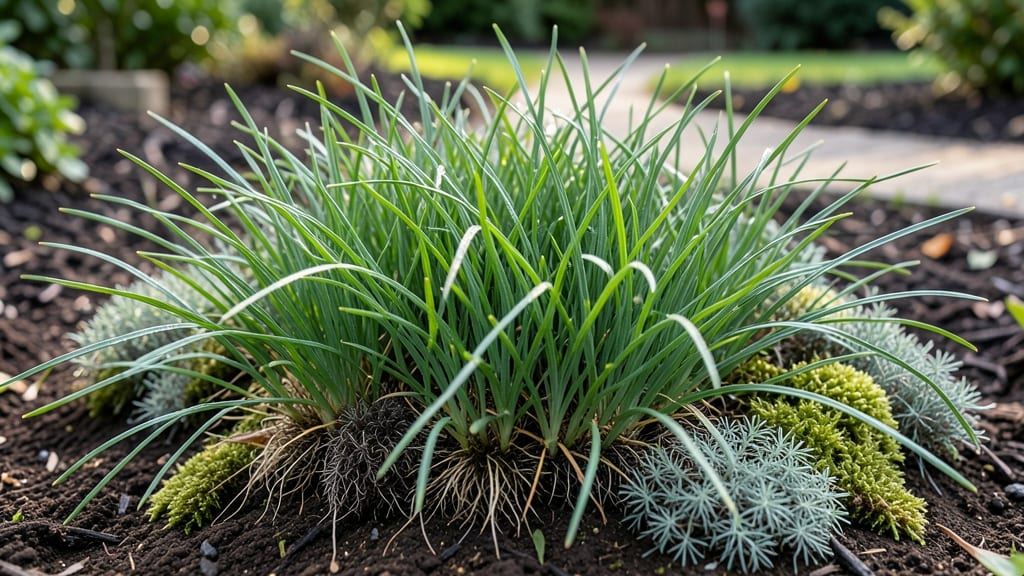
Those stubborn green patches in your lawn might actually be a sign of life, not death. 🌱 I've battled them for years—until I discovered this vinegar and baking soda blend that turns patchy grass into a lush carpet.
The trick isn't just throwing chemicals; it's understanding what's really going on beneath the surface.
Most people assume green patches mean fungus or pests, but often it's soil compaction, nutrient imbalances, or even overwatering. My first attempt with store-bought fungicides failed because I didn't address the root cause. This blend targets both the symptoms and the underlying issues without harsh chemicals.
Within 2-3 weeks, you'll see those patches thicken and blend with the rest of your lawn. The grass recovers faster, stays greener longer, and resists future patchiness. Plus, your neighbors will ask how you got such a perfect yard—no secret, just science.
Works for any grass type, from Kentucky bluegrass to fescue, and adapts to both cool-season and warm-season lawns. Here's how to diagnose, treat, and prevent those pesky patches for good.
Common Causes Of Uneven Grass
If your lawn is developing green patches while the rest of the grass appears dull or brown, don’t panic—there’s usually a logical explanation. These patches often signal underlying issues that, once identified, can be easily fixed.
Below, we break down the most common culprits behind these mysterious spots, along with the science behind them.
Too much water or compacted soil can create soggy, waterlogged areas where grass struggles to thrive. When soil stays saturated for too long, oxygen is depleted, suffocating grass roots and inviting fungal diseases like Fusarium or Rhizoctonia.
These pathogens thrive in damp conditions, turning patches of grass into slimy, discolored mats.
🔍 How to spot it:
- Grass feels spongy when stepped on.
- Puddles linger for hours after rain.
- Musty or moldy smell in the affected area.
💡 Fix it: Improve drainage by aerating the soil (using a core aerator) and amending it with organic matter like compost. Avoid overwatering—apply water deeply but infrequently (1-1.5 inches per week).
White grubs, chinch bugs, or even moles can wreak havoc by feeding on grass roots. Grubs, the larvae of beetles, chew through roots, leaving behind irregular patches that pull up easily. Chinch bugs, tiny sap-sucking insects, create brown, straw-like patches that spread rapidly in hot, dry weather.
🔍 How to spot it:
- Grass peels back like carpet when pulled.
- Small, C-shaped larvae in the soil.
- Birds or skunks digging in your lawn.
💡 Fix it: Treat grubs with beneficial nematodes or insecticidal soap. For chinch bugs, apply a systemic insecticide like imidacloprid. Encourage natural predators like toads and birds by maintaining a healthy lawn ecosystem.
Fungi like Dollar Spot or Brown Patch love humid, shady conditions. These pathogens spread quickly, creating circular or irregular patches of discolored grass. Dollar Spot, for example, leaves behind small, bleached spots with a reddish-brown border, while Brown Patch forms larger, water-soaked areas that expand rapidly.
🔍 How to spot it:
- Patches with a "smoky" or "greasy" appearance.
- Fungal threads (mycelium) in early morning dew.
- Grass wilts or dies in clusters.
💡 Fix it: Improve airflow by trimming tall grass and thinning dense areas. Apply a baking soda and vinegar spray (1 tbsp baking soda + 1 cup vinegar per gallon of water) to raise soil pH and inhibit fungal growth. Water in the early morning to reduce humidity.
Grass needs sunlight to photosynthesize and stay green. If trees, buildings, or other obstructions cast deep shade, grass in those areas may turn yellow or develop thin, weak patches. Shade-tolerant grasses like Fine Fescue or Kentucky Bluegrass can handle partial shade, but prolonged darkness stunts growth.
🔍 How to spot it:
- Patches directly under trees or structures.
- Grass is thin, sparse, or grows slower than sunny areas.
- Weeds like clover or moss take over shaded spots.
💡 Fix it: Reseed with shade-tolerant grass varieties. Thin out tree canopies if possible, or use mulch to protect grass roots. Avoid heavy foot traffic in shaded areas to prevent soil compaction.
Overapplying herbicides, pesticides, or synthetic fertilizers can create chemical burns, leaving behind dead or stunted grass. Even well-meaning lawn treatments can disrupt the soil’s pH or nutrient balance, leading to patchy regrowth. For example, too much nitrogen can cause rapid, weak growth that’s prone to disease.
🔍 How to spot it:
- Patches appear shortly after applying chemicals.
- Grass turns yellow or white before dying.
- Soil feels crusty or repels water.
💡 Fix it: Conduct a soil test to check pH and nutrient levels. Use organic fertilizers like compost tea or slow-release granules. If herbicide burn is suspected, flush the soil with water and overseed the area.
Now that you know the why behind those pesky green patches, you’re one step closer to restoring your lawn’s lush, uniform beauty. The next step? Targeted fixes to bring your grass back to life!
Revive Your Lawn Naturally
Got unsightly green patches ruining your lawn’s lushness? Don’t panic—these patches are often fixable with the right approach. Below, we’ve mapped out practical, step-by-step solutions tailored to the most common causes, plus prevention tips to keep your lawn thriving long-term. No harsh chemicals required!
---
Fungal infections thrive in damp, shaded, or poorly ventilated areas. Here’s how to banish them for good:
#### 🍳 Step 1: Stop the Spread - Remove affected grass (up to 6 inches deep) and dispose of it in a sealed bag—don’t compost it! - Avoid watering at night (fungi love moisture overnight). Water early in the morning instead.
#### 👨🍳 Step 2: Apply a Vinegar & Baking Soda Blend Mix 1 gallon of white vinegar (5% acidity) + 1 cup of baking soda + 1 tablespoon of dish soap.
Spray directly on the patches until damp. Why this works: - Vinegar disrupts fungal cell walls. - Baking soda raises the pH, making the environment hostile to fungi. - Dish soap helps the blend stick to grass blades.
#### 🥘 Step 3: Boost Airflow & Sunlight - Thin out dense grass with a rake or dethatcher to improve airflow. - Trim overhanging branches or bushes shading the lawn.
#### ⏰ Step 4: Prevent Recurrence - Water deeply but infrequently (1–1.5 inches per week). - Aerate compacted soil in fall to reduce fungal hotspots. - Apply cornmeal fungus fighter (a natural preventive) every 4–6 weeks.
---
If your lawn has soggy, spongy patches, it’s likely suffering from poor drainage or overwatering. Here’s how to drain and oxygenate the soil:
#### 🔪 Step 1: Test Your Soil - Dig a small hole (4–6 inches deep). If water pools after 30 minutes, drainage is poor. - Adjust watering: Water in the early morning (6–10 AM) and let the top 1–2 inches dry between sessions.
#### 💡 Step 2: Aerate Like a Pro - Rent a core aerator (or hire a pro) to pull out small soil plugs, breaking up compaction. - Best time to aerate: Early fall or spring when grass is actively growing.
#### 🎯 Step 3: Top-Dress with Organic Matter Spread a ¼-inch layer of compost or sand over the area, then lightly rake it in. This improves soil structure and drainage.
#### ✨ Step 4: Choose Drought-Tolerant Grass If your lawn is frequently soggy, consider switching to tall fescue or Kentucky bluegrass, which handle moisture better than St. Augustine.
---
Yellow-green patches often signal lack of iron (chlorosis) or nitrogen burnout. Here’s how to feed your lawn the right way:
#### 🥗 Step 1: Diagnose the Deficiency | Symptom | Likely Cause | Quick Fix | |----------------------|------------------------|----------------------------------------| | Pale yellow grass | Iron deficiency | Spray chelated iron (follow label) | | Weak, sparse growth | Low nitrogen | Apply organic fertilizer (like alfalfa meal) | | Brown, brittle edges | Potassium deficiency | Use wood ash or greensand |
#### 💪 Step 2: Use a DIY Fertilizer Boost Mix 1 cup of Epsom salt (magnesium sulfate) + 1 tablespoon of liquid seaweed extract + 1 gallon of water. Spray over patches every 2 weeks until color improves.
#### 🍎 Step 3: Improve Soil pH - Test your soil (use a home kit or send to a lab). - Lower pH (if >7.0): Sprinkle sulfur or peat moss and water in. - Raise pH (if <6.0): Apply lime (follow package rates).
#### 🌱 Step 4: Overseed Thin Spots Once patches recover, sprinkle grass seed and cover lightly with straw. Water gently to encourage germination.
---
Chewing insects (grubs, chinch bugs) or dog urine burns can leave behind patchy, uneven lawns. Here’s how to repair and protect:
#### 🐕 Step 1: Neutralize Dog Urine Spots - Dilute urine by training your dog to pee in one spot and rinse the area with water immediately. - Apply a vinegar-water mix (1:3 ratio) to neutralize ammonia in urine.
#### 🐜 Step 2: Treat Grub or Chinch Bug Infestations - Handpick grubs (dig up a square foot of lawn—if you find >10 grubs, treat it). - Spread milky spore powder (natural grub control) or neem oil spray for chinch bugs.
#### 🌿 Step 3: Encourage Beneficial Insects Plant marigolds or clover around the lawn to attract ladybugs and ground beetles, which eat pests naturally.
---
1. Mow high (3–4 inches) to shade out weeds and retain moisture. 2. Leave grass clippings (they return nutrients to the soil). 3. Rotate treatments to avoid resistance (e.g., alternate vinegar spray with neem oil). 4. Inspect regularly—catch problems early before they spread!
--- With these targeted fixes, your lawn should bounce back in 2–4 weeks. The key? Act fast, improve drainage, and feed your grass right—no mystery blends needed! 🌱
Frequently asked questions
Why do some green patches feel spongy while others look healthy?
Spongy green patches usually indicate compacted soil or fungal root rot from overwatering. Press your thumb into the patch—if it leaves a deep imprint, the soil is compacted. If it smells musty, fungal growth is likely. Test drainage by digging a small hole; if water pools after 30 minutes, your lawn needs aeration and better water management.
Can I use vinegar on my entire lawn, or just the patches?
Target the vinegar and baking soda blend only to the affected patches—it’s too harsh for healthy grass. For full lawn treatment, use a diluted solution (1:3 vinegar to water) and apply it in early morning. Avoid using it on clover or other broadleaf plants, as it can damage them. Always spot-test a small area first.
How long until I see results after treating green patches?
With proper care, you’ll notice improvements in 2-3 weeks. For fungal issues, the baking soda blend starts working immediately by raising soil pH. Nutrient deficiencies (like iron chlorosis) may take 4-6 weeks to show full recovery. Consistency is key—reapply treatments every 2 weeks until patches blend with the rest of the lawn.
What’s the best time of day to treat green patches?
Always treat in the early morning (6-9 AM) when dew is present but before direct sunlight intensifies. This gives the solution time to absorb before evaporating. Avoid treating at night—moisture lingers, creating ideal conditions for fungal growth. If you must treat in the afternoon, water the area lightly afterward to help the blend penetrate.
Will my lawn stay green after fixing the patches?
Yes, but it requires ongoing maintenance. Once patches recover, focus on proper watering (1-1.5 inches per week), regular mowing (3-4 inches high), and seasonal soil testing. Aerate annually in fall to prevent compaction, and apply a slow-release organic fertilizer twice a year. This keeps your lawn uniformly green and resilient.