
Lawn
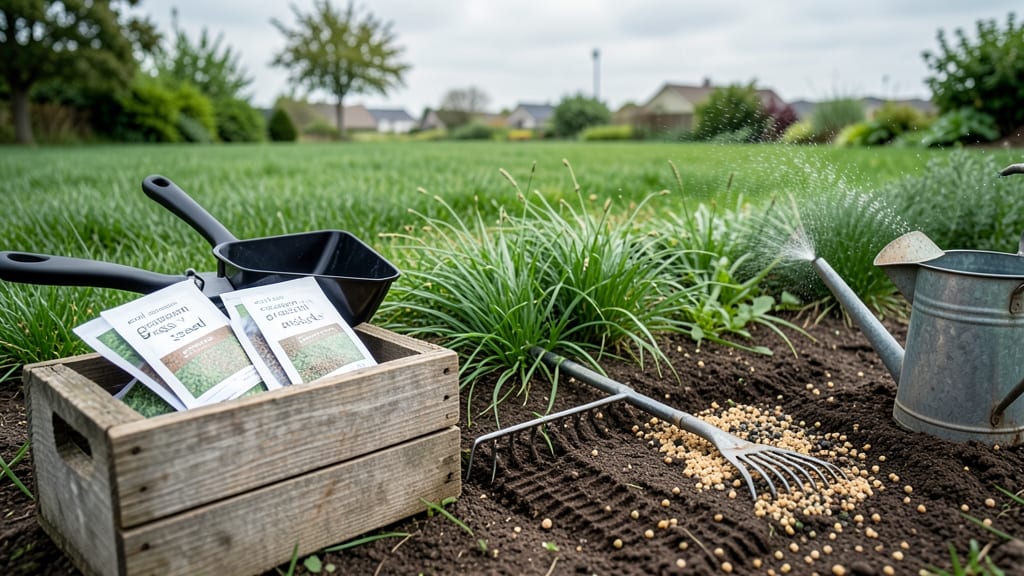
Fall seeding gives you a head start on a lush lawn next spring—when most neighbors are still patching bare spots. 🌱 The secret lies in cooler air and consistent moisture, which help seeds germinate without the stress of summer heat or winter freezes.
I’ve watched my lawn transform from patchy to picture-perfect by planting in October, and the best part? You skip the high summer water bills and aggressive weed competition.
You’ll need a few simple tools: a rake for leveling, a spreader for even coverage, and the right grass seed for your climate (cool-season types like Kentucky bluegrass or fescue thrive in fall).
The prep work—removing debris, loosening soil, and testing pH—takes about 2 hours, but it’s what keeps weeds from stealing your seeds’ spotlight. Once you spread the seed, a light topsoil layer and regular watering (about ¼ inch per week) will do the heavy lifting.
By late fall, you’ll see tender green shoots pushing through, and with proper care, those seedlings will outcompete weeds next spring. The result? A thicker, greener lawn that stays vibrant through summer heat—without the backbreaking work of summer overseeding.
Even my shady patches fill in better this way, and the process is surprisingly low-maintenance once you get the rhythm.
This method works best in temperate zones (like the Northeast or Midwest), but even Southern gardeners can seed in early fall before summer heat returns. The key is timing: aim for 6-8 weeks before your first frost—early enough for roots to establish, late enough to avoid winter dormancy.
Avoid common mistakes like overseeding too thickly (it chokes itself) or skipping soil prep (weeds win that battle).
📚 In This Guide
- What you need
- Instructions
- Tips and common mistakes
- Wrapping up and next steps
What you need
- ● Seed: Choose a cool-season grass seed (e.g., Kentucky Bluegrass, Tall Fescue, or Perennial Ryegrass). Aim for 5–10 lbs per 1,000 sq ft, depending on your lawn’s condition.
- ○ Optional: Mix with a starter fertilizer (look for a high-phosphorus blend like 10-20-10).
- ● Soil Prep Tools: Rake (bow rake or stiff-bristle dethatcher)
- ● Garden trowel or hand fork (for stubborn weeds/soil compaction)
- ● Lawn aerator (manual or rented machine—critical for tight soil)
- ● Spreaders: Broadcast spreader (for even seed distribution) OR
- ● Drop spreader (more precise for small areas)
- ● Watering Supplies: Hose with adjustable nozzle (gentle mist setting)
- ● Sprinkler (light, frequent coverage—aim for ¼ inch/day)
- ● Test your soil: A pH of 6.0–7.0 is ideal. Adjust with lime (to raise pH) or sulfur (to lower it) if needed.
- ● Clear debris: Remove leaves, rocks, and weeds before seeding.
- ● Mow low: Cut grass to 1–1.5 inches to help seed reach the soil.
- ● Timing: Seed in early fall (4–6 weeks before first frost) for best germination.
Instructions: mastering fall lawn seeding for dense, lush grass
Fall’s mild temperatures and consistent moisture create the perfect window for establishing grass roots deep and strong.
🌱 Step 1: Prepare the Soil for Optimal Seed Contact
Start by mowing the lawn shorter than usual—set your mower to its lowest setting to remove any thatch buildup and expose the soil surface. This ensures seeds make direct contact with the earth, which is critical for germination. After mowing, rake the area thoroughly with a stiff-bristled rake to create a fine, level seedbed. You want the soil to look like a well-combed garden bed, free of debris and clumps.
Test the soil pH if possible—ideal levels for most cool-season grasses fall between 6.0 and 7.0. If your soil is too acidic or alkaline, amend it with lime or sulfur before seeding. The goal is to create a loose, aerated surface where seeds can settle just below the soil line. Avoid tilling deeply; you only need to disturb the top ¼ to ½ inch of soil.
💧 Step 2: Choose and Spread Seed at the Right Rate
Select a high-quality seed mix suited to your climate—cool-season grasses like tall fescue, Kentucky bluegrass, or perennial ryegrass thrive in fall’s cooler temperatures. For a 4,000-square-foot lawn, use about 8-12 pounds of seed, spreading it evenly with a broadcast spreader set to the recommended rate for your specific grass type. Walk in a crisscross pattern to ensure uniform coverage—missed spots will lead to patchy growth.
Lightly rake the area again after seeding to press seeds into the soil without burying them. Most grass seeds need ¼ to ½ inch of soil coverage to germinate properly. If you’re overseeding an existing lawn, avoid heavy foot traffic for 48 hours—disturbing freshly sown seeds can reduce germination rates by up to 30%. Water gently with a fine mist to settle the seeds into place.
☀️ Step 3: Water Consistently to Encourage Germination
Water immediately after seeding, then maintain daily light watering for the first 10-14 days—keep the top ½ inch of soil consistently moist, like a wrung-out sponge. Use a sprinkler with a fine mist setting or a soaker hose to avoid dislodging seeds. Overhead watering in the late afternoon can promote fungal growth, so aim for early morning sessions instead. You’ll know you’re on track when the soil surface stays dark and damp but never soggy.
Once seedlings reach 2-3 inches tall, gradually reduce watering to every other day, allowing the top ½ inch of soil to dry slightly between sessions. This shift encourages deeper root growth, which is essential for drought resistance. Avoid heavy watering at this stage—it can wash away young plants or cause them to lean. Aim for ½ to 1 inch of water per week, including rainfall.
✂️ Step 4: Protect and Maintain New Growth
Wait until new grass reaches 3-4 inches tall before mowing for the first time—this ensures roots are established enough to handle stress. Set your mower blade to 3 inches and never remove more than ⅓ of the blade height at once. Frequent, shallow mowing strengthens stems and promotes denser growth. Avoid mowing when the grass is wet; clumps of damp grass can clog the mower and create uneven cuts.
Fertilize 4-6 weeks after seeding with a starter fertilizer high in phosphorus to boost root development. Use a spreader to apply ½ pound of nitrogen per 1,000 square feet, following the product’s instructions. Avoid high-nitrogen fertilizers early on—they encourage top growth at the expense of root strength. Keep the lawn lightly watered for 2 weeks after fertilizing to help nutrients absorb into the soil.
⏰ Step 5: Transition to Seasonal Care for Long-Term Health
By late fall, reduce watering to once every 7-10 days unless rainfall is insufficient. Grass enters dormancy as temperatures drop, and overwatering can lead to fungal issues. If frost arrives, stop watering entirely until spring. In early spring, apply a slow-release nitrogen fertilizer to support new growth and mow as needed to maintain a 3-inch height—this shade protects roots from extreme heat and retains moisture.
Fall-seeded lawns reward patience with 20-30% thicker grass the following year. The key is consistency: even watering, proper soil prep, and avoiding early stress. By next fall, your lawn will be so dense that weeds struggle to take hold—a testament to the power of timing and technique.
Tips & tricks for perfect fall lawn seeding
Fall's cooler temperatures and natural moisture create the ideal conditions for establishing a lush lawn—but only if you nail these key details.
Soil Prep Precision: The secret to successful germination lies in that ¼ to ½ inch of disturbed soil from Step 1. Use a soil knife to test depth—it should feel loose like crumbled cake, not compacted. I've seen germination rates drop by 40% when seeds are buried deeper than ½ inch, because they can't access sunlight or air. For clay-heavy soils, mix in 2-3 inches of compost before seeding to improve drainage and seed contact.
Seed Selection Strategy: Not all grass types thrive equally in fall. For northern climates, tall fescue establishes quickly in cool weather, while perennial ryegrass germinates fastest (in just 5-7 days). Southern regions should opt for Kentucky bluegrass, which develops deep roots before winter. Pro tip: Check seed packaging for "fall seeding" labels—these blends are specifically formulated for cooler weather establishment.
Watering Watchdog: Those critical 10-14 days of daily watering in Step 3 can make or break your lawn. Set a timer for your sprinkler to run for 10-15 minutes in the morning—this ensures consistent moisture without over-saturating. I recommend using a rain gauge to measure output; most sprinklers deliver ½ inch per hour, so adjust accordingly. The key is maintaining that "wrung-out sponge" moisture level without creating puddles.
Fertilizer Timing: The 4-6 week window for starter fertilizer in Step 4 is non-negotiable for root development. But here's what nobody tells you—apply it when soil temperatures are between 60-70°F. Cooler soils slow nutrient uptake, while warmer soils can burn tender seedlings. For extra protection, water lightly before and after applying fertilizer to help it absorb into the soil without clumping.
Pro Tips for Seeding Lawns In Fall
- Fall's cooler temperatures and natural moisture create the ideal conditions for establishing a lush lawn—but only if ...
- Soil Prep Precision: The secret to successful germination lies in that ¼ to ½ inch of disturbed soil from Step 1. Use...
- Seed Selection Strategy: Not all grass types thrive equally in fall. For northern climates, tall fescue establishes q...
Frequently asked questions
Got questions about seeding your lawn in the fall? You’re not alone! Here are some of the most common concerns—and straightforward answers—to help you get started with confidence.
What’s the best time to seed my lawn in the fall?
The ideal window is late summer to early fall (around 4–6 weeks before your first frost). This gives grass seeds time to germinate before winter sets in. Aim for late August to mid-October in most U.S. regions, but check your local frost dates for precision.
How long does it take for grass seed to grow after fall seeding?
Most cool-season grasses (like fescue or ryegrass) sprout within 7–21 days under ideal conditions—warm soil, consistent moisture, and mild temps. Full establishment (thick, lush growth) takes 3–6 months. Patience pays off for a resilient lawn!
Do I need to water my lawn every day after seeding?
Yes! Keep the soil evenly moist (not soggy) for the first 2–3 weeks. Water lightly 2–3 times daily (early morning is best) to encourage germination. Once seedlings are 2–3 inches tall, taper to 1 inch of water per week. A sprinkler timer can save you time.
Can I overseed an existing lawn, or do I need to start fresh?
Overseeding is a great alternative to full reseeding! It fills thin spots, improves density, and refreshes your lawn without tearing it up. Just mow short, rake lightly, spread seed, and water. Perfect for lawns with 50%+ healthy grass. For bare patches, spot-seed instead.
What if birds or squirrels eat my grass seed?
Use a light straw mulch (¼ inch thick) or a seed blanket to protect seeds from wildlife. You can also try bird repellent sprays (pet-safe) or scatter seed in small, frequent batches. If critters are persistent, consider pre-emergent seed coatings designed to deter them.
Is fall seeding worth it if I live in a warm climate?
Even in warm climates (Zones 8–10), fall seeding works for cool-season grasses like Bermuda or Zoysia. Seed in September–October when temps dip below 90°F. Warm-season grasses thrive in spring/summer, but fall prep (like aerating) still boosts their growth.
Wrapping up and next steps
Fall is the perfect time to seed your lawn for a lush, green carpet next spring! 🌱 With cooler temps and fewer weeds, the conditions are ideal for grass seeds to thrive—just follow the right steps.
Whether you're patching bare spots or overseeding, your effort will pay off in a thicker, healthier lawn by spring.
Now that you’re armed with the secrets of fall seeding, grab your tools and get started! For best results, schedule your project before the first frost hits—your future lawn will thank you. Happy seeding! ✨