
Lawn
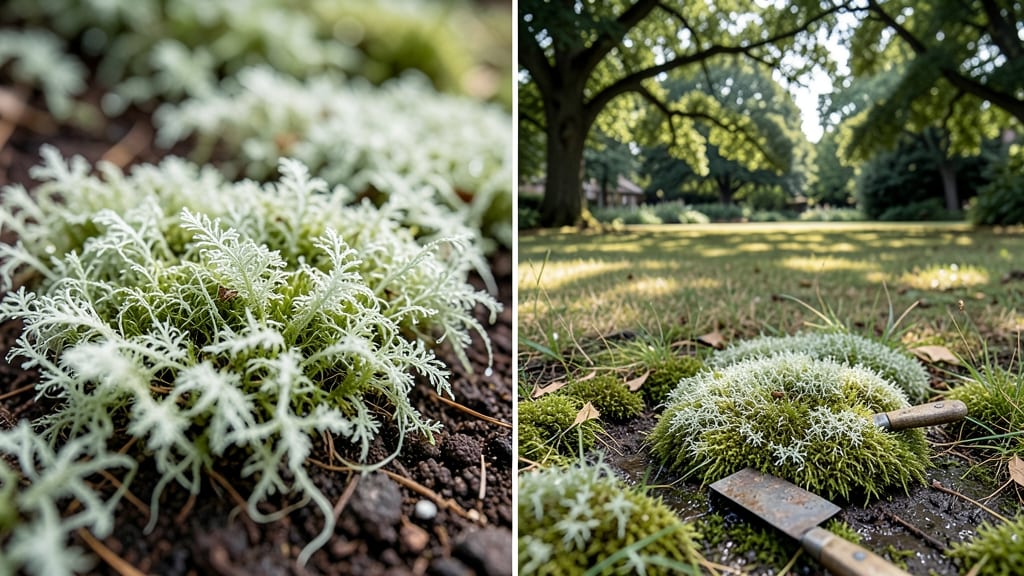
Moss creeping across your lawn isn't just unsightly—it’s a sign your grass is silently begging for help. 🌱 I’ve battled this fuzzy invader in my own yard, and the good news? You can banish it in 3 simple steps without harsh chemicals.
The secret lies in understanding why moss thrives (hint: it’s not your fault) and how to starve it out for good.
Moss loves shady, damp spots where grass struggles—think of it as nature’s way of telling you your lawn needs better airflow and sunlight. The pros? It softens bare patches and holds moisture.
But the cons—thinning grass, thatch buildup, and a lawn that looks perpetually tired—outweigh the benefits. My lawn went from patchy to lush in just one growing season after fixing these core issues.
Here’s the game-changer: overseeding with shade-tolerant grass, improving drainage with sand or compost, and letting sunlight do the heavy lifting. No more scrubbing or toxic sprays—just healthier soil and grass that crowds out moss naturally. By summer’s end, you’ll have a lawn so vibrant, neighbors will ask for your secret.
This method works for any lawn, whether you’ve got a shady backyard or a sun-drenched front yard. The key is consistency—think of it like weeding, but for your lawn’s foundation. Ready to reclaim your grass? Let’s get started with the 3-step plan that actually works.
Understanding The Root Causes
Moss thriving in your lawn isn’t just an aesthetic nuisance—it’s often a sign that something deeper is amiss with your grass’s growing conditions. Before you can tackle it, you need to know why it’s there.
Below, we break down the most common culprits, explained in clear, science-backed terms so you can address the real issues holding back your grass.
---
Moss loves wet feet—literally. Unlike grass, which struggles in soggy conditions, moss thrives in consistently damp or waterlogged soil. Here’s why:
- Compacted Soil: Heavy foot traffic, construction equipment, or clay-heavy soil compresses the ground, preventing proper water drainage.
When water pools instead of draining, moss spores find the perfect home. - High Water Table: If your lawn sits in a low-lying area or has a naturally high water table, water may not recede quickly enough, leaving moss with ideal growing conditions. - Overwatering: While grass needs regular moisture, moss benefits from excessive water.
If you’re watering daily or letting sprinklers run too long, you’re essentially fertilizing moss growth.
Actionable Fix: Test your soil’s drainage by digging a 6-inch hole and filling it with water. If it drains in less than 4 hours, your soil is likely fine. If not, amend with organic matter (like compost or sand) to improve aeration. For chronic waterlogging, consider installing French drains or grading your lawn to slope away from problem areas.
---
Grass prefers a neutral to slightly acidic pH (6.0–7.0), while moss thrives in highly acidic conditions (below 5.5). Here’s how pH imbalance plays a role:
- Natural Acidification: Organic matter like pine needles, fallen leaves, or peat moss (ironically) break down and release acids, lowering pH over time. - Fertilizer Imbalance: Overuse of nitrogen-heavy fertilizers (especially ammonium-based) can acidify soil, creating a moss-friendly environment. - Lack of Lime: If your soil hasn’t been tested or amended in years, it may have become too acidic without you noticing.
Actionable Fix: Get a soil pH test kit (or send a sample to a local extension office) to confirm the issue. If pH is below 5.5, apply pelletized lime (follow package rates) to raise it gradually. Aim for a target of 6.0–6.5 for grass recovery.
---
Moss is a shade-tolerant opportunist, while most lawn grasses (like Kentucky bluegrass or fescue) need 4–6 hours of direct sunlight daily to thrive. Here’s how shade invites moss:
- Overhanging Trees: Dense canopies block sunlight, creating cool, damp microclimates where grass struggles and moss spreads. - Structures or Fences: Buildings, sheds, or tall fences cast permanent shadows, limiting grass growth in those areas. - Thatch Buildup: A thick thatch layer (dead grass layers) can block sunlight from reaching the soil, smothering grass roots.
Actionable Fix: - Prune trees to allow more sunlight (but avoid over-pruning, which can stress them). - Choose shade-tolerant grass varieties (like fine fescue or creeping red fescue) for problem areas. - Thin out thatch with a dethatching rake (spring or early fall) to improve sunlight penetration.
---
When grass is stressed, it leaves gaps that moss quickly fills. Common reasons for weak grass include:
- Poor Nutrition: Lack of nitrogen, phosphorus, or potassium weakens roots, making grass vulnerable to moss invasion. - Disease or Pests: Fungal infections (like brown patch) or grubs can kill grass, creating bare spots where moss takes over. - Improper Mowing: Cutting grass too short (scalping) or using dull mower blades stresses plants, reducing their competitive edge against moss.
Actionable Fix: - Fertilize properly: Use a balanced organic fertilizer (like compost tea or fish emulsion) in early spring and fall. - Aerate your lawn to help roots access nutrients and water. - Adjust mowing height: Keep grass at 3–4 inches tall (taller grass shades out moss and develops deeper roots).
--- Compacted, trampled areas recover slowly, giving moss a foothold. Why?
- Root Compaction: Heavy use (kids playing, pets, or walking) compresses soil, reducing oxygen and water availability to grass roots. - Uneven Growth: High-traffic zones often develop bare patches where grass can’t regrow, leaving space for moss.
Actionable Fix: - Reduce foot traffic in problem areas (e.g., designate a play zone). - Overseed bare spots with a moss-resistant grass mix (like perennial ryegrass). - Top-dress with compost to improve soil structure and encourage grass recovery.
Fixing Lawn Moss Naturally
Now that you know why moss thrives in your lawn, let’s tackle it with effective, organic solutions that restore your grass while keeping your yard healthy. Below, we’ve mapped the most common causes to targeted fixes—plus prevention tips to keep moss from creeping back.
---
Moss loves soggy soil, so improving drainage is step one. Here’s how:
🍳 Step 1: Test Your Soil’s Drainage - Dig a small hole (6 inches deep) and fill it with water. If it drains in less than 4 hours, your soil is fine. If it takes longer, you’ve got poor drainage. - Pro Tip: 💡 If water pools on the surface, consider sand or compost amendments to loosen compacted soil.
👨🍳 Step 2: Aerate Your Lawn - Rent a core aerator (or hire a pro) to pull out small soil plugs, letting water and air penetrate deeper. - When to do it: Early morning on a cool, damp day (like after rain).
🥘 Step 3: Improve Drainage with Organic Matter - Spread a 1-inch layer of coarse sand or perlite over mossy areas, then rake it in. - Alternative: Top-dress with compost (¼ inch) to boost organic content without suffocating grass.
⏰ Prevention: Water deeply but less frequently (1–1.5 inches per week) and avoid walking on wet grass to prevent compaction.
---
Moss thrives where grass struggles—so give your lawn a fighting chance:
🔪 Step 1: Remove Moss (Without Harming Grass) - Scrape it out with a plastic rake (metal can damage soil). - For stubborn patches: Sprinkle dry sand or diatomaceous earth (food-grade) to kill moss naturally over 2–3 days.
🌱 Step 2: Overseed with Shade-Tolerant Grass - Choose fine fescue, creeping red fescue, or Kentucky bluegrass—they handle low light better. - Best time to seed: Early fall (cool temps = higher success rate).
🎯 Step 3: Thin Moss with Cornmeal (Yes, Really!) - Sprinkle organic cornmeal (1 lb per 100 sq ft) over mossy areas. It starves moss by blocking its food source (fungus). - Wait 2–3 weeks, then reseed bare spots.
✨ Prevention: - Mulch nearby trees with wood chips to reduce shade creep. - Trim overhanging branches to let more sunlight reach the lawn.
---
If your soil is hard or lacking nutrients, moss will move in. Here’s how to fix it:
💪 Step 1: Loosen Soil with a Lawn Fork - Rent a manual aerator or use a lawn fork to poke holes every 3–4 inches in compacted areas. - Pro Tip: 🔥 Mix in compost or peat moss (sparingly) to improve structure.
🥗 Step 2: Feed Your Lawn the Right Way - Test your soil (DIY kits from garden centers work) to check pH and nutrient levels. - If pH is low (below 6.0): Sprinkle lime (follow package rates). - If soil is nutrient-poor: Use an organic fertilizer like fish emulsion or bone meal in early spring/fall.
🍎 Step 3: Encourage Microbial Activity - Moss hates competition! Spread beneficial bacteria (like Bacillus subtilis) to outcompete it naturally. - DIY option: Mix 1 part molasses + 9 parts water and spray lightly—sugar feeds good microbes.
🎯 Prevention: - Top-dress annually with compost to maintain soil health. - Avoid heavy foot traffic on wet lawns to prevent compaction.
---
If moss is widespread and organic methods aren’t enough, try these targeted treatments:
| Solution | How to Use | Notes | |-----------------------|----------------------------------------|--------------------------------------------| | White Vinegar | Spray undiluted on moss (avoid grass).
Wait 24 hours, then reseed. | Kills moss fast but can harm grass—spot-treat only. | | Iron-Based Products | Apply liquid iron (like Iron X) per label. | Turns moss brown/black; best for large areas. | | Salt (Last Choice!) | Sprinkle rock salt lightly (½ cup per 10 sq ft). | Risky—can harm soil long-term; use only in extreme cases. |
⚠️ Warning: Chemical moss killers (like quaternary ammonium) can harm grass and soil—stick to organic fixes when possible.
--- Final Thought: Moss isn’t all bad—it’s a sign your lawn needs better care. By fixing drainage, boosting grass health, and preventing compaction, you’ll outcompete moss naturally in no time. 🌿✨
Frequently asked questions
Is moss actually bad for my lawn?
Moss isn't inherently harmful, but it does signal underlying lawn issues. While it softens bare patches and retains moisture, it also crowds out grass, creates thatch buildup, and thrives in conditions where grass struggles. Think of it like a lawn's "check engine" light—it's telling you something needs attention, like poor drainage or acidic soil.
Can I just rake out moss and expect it to stay gone?
Raking alone rarely works long-term because it doesn't address the root causes. For lasting results, you must improve drainage, adjust soil pH, and overseed with grass that can compete. Moss will return within weeks if the underlying conditions (like shade or compaction) remain unchanged.
What's the fastest organic way to kill moss?
The quickest organic method is using cornmeal (1 lb per 100 sq ft) which starves moss by blocking its food source. For immediate results, try undiluted white vinegar (spot-treat only) or sprinkling rock salt lightly (½ cup per 10 sq ft)—though salt can harm soil long-term. Always reseed after treatment.
Will lime really help my moss problem?
Lime raises soil pH from acidic (below 5.5) to ideal grass levels (6.0-6.5). Test your soil first with a DIY kit—if pH is too low, apply pelletized lime according to package rates. This creates an environment where grass thrives and moss struggles, often reducing moss growth by 50-70% within months.
How often should I aerate to prevent moss?
Aerate once a year (spring or fall) for most lawns, or twice if you have heavy clay soil or high foot traffic. Core aeration creates holes that improve drainage and root access to nutrients—both critical for outcompeting moss. Pair it with overseeding and top-dressing with compost for best results.