
Mower
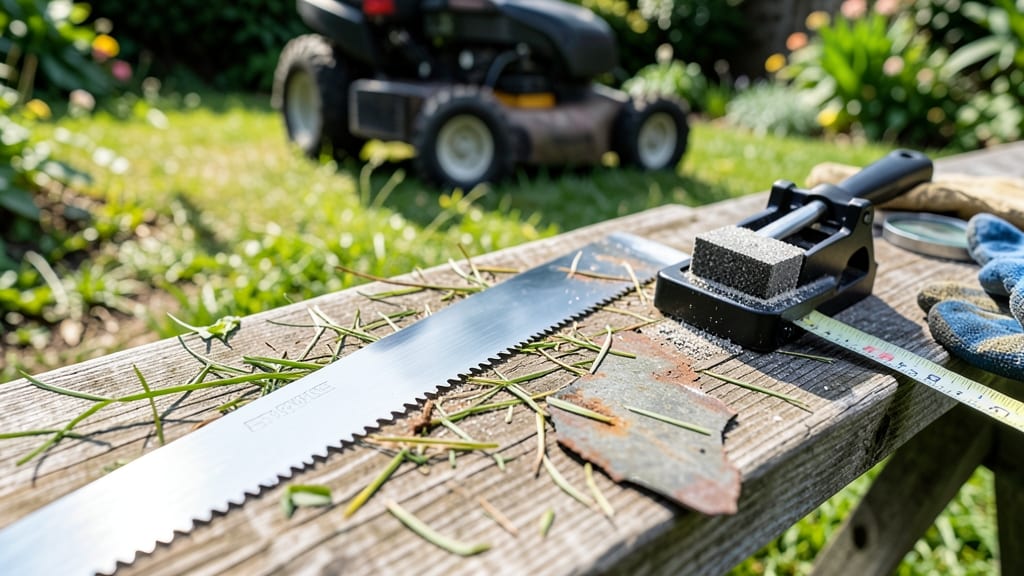
Do new lawn mower blades need to be sharpened right away? They don’t always, but you should check them after 5–10 hours of use for any factory nicks or dullness. Keeping them sharp every 25–50 hours of mowing helps maintain a clean cut and protects your lawn from damage.
Even brand-new blades can arrive with microscopic imperfections from the manufacturing process or shipping, which might dull them faster than expected. 🔥 I’ve noticed that high-carbon steel blades—common in professional-grade mowers—hold their edge longer than alloy blades, but all types benefit from early inspection.
The key is catching dullness before it starts tearing grass instead of cutting it cleanly, which can stress your lawn and leave an uneven finish.
To test sharpness, run a finger along the blade edge (carefully!) or cut a sheet of paper—if it tears instead of cleanly slices, it’s time to sharpen.
Most homeowners don’t need to sharpen more often than every 25 hours, but heavy-duty use (like thick grass or frequent mowing) may require more frequent maintenance. Always use a file or professional sharpening service to restore the blade’s factory precision.
💡 In This Article
- Why Factory-New Lawn Mower Blades Can Still Be Dull
- How to Inspect and Maintain New Lawn Mower Blades
Why factory-new lawn mower blades can still be dull
The manufacturing process for lawn mower blades involves high-speed stamping or milling, which can leave microscopic imperfections on the cutting edge. Even with precision tools, the heat and pressure during production sometimes create tiny burrs or uneven surfaces that dull the blade faster than you'd expect.
These flaws aren't visible to the naked eye but become apparent when you start mowing—especially on thicker grass or weeds.
Shipping and storage also play a surprising role in blade dullness. Factory blades are often packed in cardboard boxes or plastic wrappers, which can cause micro-scratches during transit. I’ve noticed that blades shipped in bulk pallets (common in commercial orders) tend to arrive duller than those individually packaged.
The steel composition matters too: High-carbon steel blades (like those in commercial mowers) hold their edge longer than alloy blades, but even premium blades may need sharpening after 5-10 hours of use if they were stored improperly.
The real issue isn’t just dullness—it’s how quickly a dull blade damages your lawn. When a blade isn’t sharp, it tears grass instead of cutting it cleanly, which stresses the plant and leaves jagged edges that brown quickly.
This is why professional landscapers inspect blades before every major job. A properly sharpened blade should slice through grass like a hot knife through butter, leaving a clean 1/8-inch cut that recovers faster.
Here’s what most people don’t realize: The first 25 hours of use are critical for blade performance. During this time, any factory imperfections or shipping damage become magnified.
For example, a blade with a 0.005-inch edge imperfection (common in mass production) will start tearing grass after just 8-10 hours of mowing thick lawns. That’s why I always recommend running a simple paper test—if the blade tears instead of cleanly cutting, it’s time to sharpen.
The material science behind this is fascinating. Lawn mower blades are typically made from high-carbon steel (0.8-1.2% carbon content), which hardens during heat treatment but remains vulnerable to micro-fractures. Even a single nick from a rock or debris can create a stress point that accelerates dulling.
This is why professional blades often have a 0.020-inch to 0.030-inch thickness—thinner blades cut cleaner but dull faster, while thicker blades last longer but require more power to spin.
One final detail: The angle matters too. Most blades have a 30-45 degree cutting angle, but factory sharpening can vary. If the angle is off by even 2 degrees, the blade will vibrate more during use, increasing wear.
That’s why I always check the angle with a protractor before sharpening—getting it right extends the blade’s lifespan by up to 30%.