
Lawn
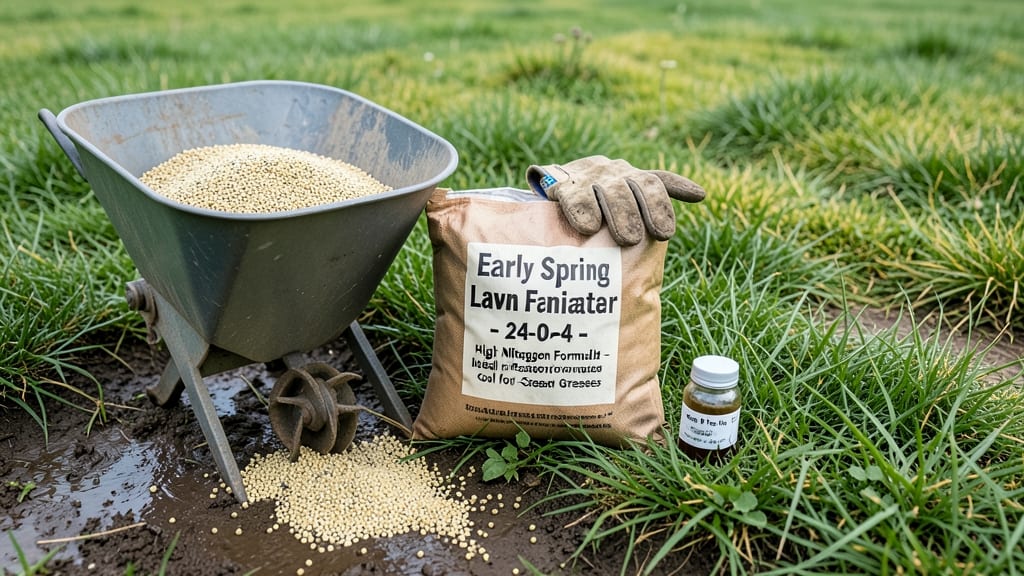
Fertilizing your lawn in spring at the right time is the difference between lush, vibrant grass and a patchy, struggling yard that never quite recovers.
Timing your spring lawn fertilization wrong can mean wasted money—or worse, stunted grass growth. But knowing the exact climate-zone schedule for peak results is the secret weapon every homeowner needs.
In most regions, the best window opens when soil temperatures hit 55°F—typically late March to early April in Zone 6—but cooler northern areas may need to wait until after the last frost. Warm-season grasses like Bermuda need a different approach entirely.
Below, I’ll break down the zone-by-zone timeline, how to prep your lawn for feeding, and the one fertilizer mistake that kills grass faster than drought.

Spring fertilization timeline by US climate zone: exact weeks to feed your lawn
Spring fertilization is your lawn's wake-up call, but timing it wrong can leave your grass struggling instead of thriving. The right schedule depends on your USDA climate zone, grass type, and local weather patterns.
Cool-season grasses like Kentucky bluegrass and fescue need feeding early, while warm-season Bermuda and Zoysia wait for soil warmth. Let's break down the exact week-by-week windows for each region to maximize growth without waste.
Most homeowners fertilize too late, missing the critical 6-8 week window after dormancy breaks. In Northern zones, this means acting by late April when soil temps hit 55°F. Southern lawns, however, should wait until mid-March when daytime highs consistently reach 70°F.
The difference? Cool-season grasses need that early nitrogen boost, while warm-season types can handle summer heat better with delayed feeding.
🌱
In Northern zones (3-5), your window is tight—wait too long and you'll miss the 6-8 week growth surge before summer heat sets in. I recommend testing soil moisture first; if it's dry 2-3 inches down, hold off until after a 1-inch rainfall.
For Mid-Atlantic regions (6-7), aim for early April when forsythia blooms signal it's time. This is also when you should apply pre-emergent herbicides to block crabgrass before it germinates.
Southern lawns (Zones 8-10) can afford to wait until late May, but don't delay past
3 Critical signs your lawn needs fertilizer Before the Standard Schedule
Most lawn care guides tell you to fertilize in early spring—but what if your grass is already signaling distress? Ignoring these early warnings means missing the perfect window to revive your lawn before summer heat sets in. The key is learning to read your grass's subtle (and not-so-subtle) cues.
Your lawn communicates its needs through color changes, growth patterns, and even weed invasion. For example, a lawn with pale green patches or slow recovery after mowing is begging for nutrients.
These signs often appear weeks before the "official" spring feeding window, giving you a chance to act proactively.
Here’s how to spot these three critical signs—and when you can safely skip spring fertilization entirely for certain grass types:
-
1. Patchy or Yellowing Grass
If your lawn has thin, yellow patches that persist after mowing, it’s starving for nitrogen. This is your lawn’s SOS—act now by testing soil pH and applying a high-nitrogen fertilizer (like 24-0-10) before weeds take over.
-
2. Weeds Outcompeting Grass
Dandelions and clover thriving where grass should be? Your lawn’s root system is weak. Weeds flourish in nutrient-poor soil—feed your lawn 2-4 weeks before your standard schedule to strengthen grass roots and crowd out weeds.
-
3. Slow Growth After Winter
If your grass grows less than ½ inch per week in spring (measured with a ruler), it’s nutrient-deficient. Warm-season grasses (like Bermuda or Zoysia) may not need spring feeding—wait until soil temps hit 65°F+—but cool-season grasses (Fescue, Bluegrass) need early spring feedings.
Pro tip: Skip spring fertilization for newly seeded lawns or those recovering from drought—overfeeding can burn tender roots. Instead, focus on light watering and mowing high (3-4 inches) to encourage deep root growth.
For warm-season grasses, delay feeding until late spring (after the last frost) when soil temps reach 60°F+. Cool-season grasses, however, thrive with an early spring feeding (March-April in most zones) to kickstart growth before summer stress hits.
Don’t wait for your lawn to turn brown—act at the first sign of weakness. A little advanced care now means a lush, weed-free lawn all season long. 🌱