
Lawn
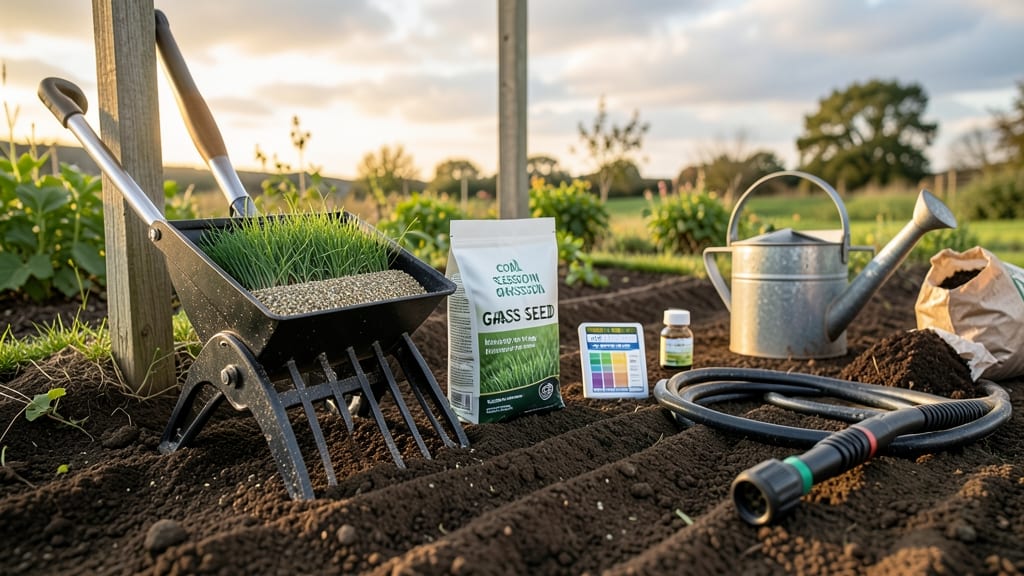
Planting lawn seed in the fall is your best shot at a thick, green lawn by next spring — but the clock is ticking before frost locks the soil.
Picture this: you’ve prepped the soil, spread the seed, and watered carefully, only to watch frost creep in before those blades even peek through. That’s why timing is everything, and missing the window by even a few weeks can mean weak roots and winter weeds taking over.
Cooler fall temperatures reduce stress on young grass, while fewer weeds compete for nutrients. The key is planting 4-6 weeks before your first frost — in most of the U.S., that’s late August through mid-October. But your exact window depends on your zone, soil temps, and even your local microclimate.
Below, I’ll break down the ideal months for your region, soil prep steps to avoid common mistakes, and how to tell if you’ve planted too early or too late. By the end, you’ll know exactly when to pull the trigger for a lawn that survives winter and explodes in spring.
Best fall planting months for lawn seed by USDA climate zone
Timing your lawn seed planting in fall is all about beating the first frost while giving seeds time to establish roots. Cooler temperatures and reduced weed competition create perfect conditions—but miss the window, and you risk weak germination.
Your USDA climate zone determines the exact timing, with Northern regions needing earlier planting than Southern climates. Let’s break down the ideal months for each zone to ensure your new grass thrives before winter.
Most lawn seeds need 4-6 weeks of warm soil and cool air to germinate and develop strong roots before dormancy. Soil temperatures between 60°F and 75°F are ideal, while air temperatures should stay above 50°F at night.
If you plant too early, weeds may outcompete your grass. If you wait too long, frost will halt growth. Knowing your zone’s first frost date is key—aim to finish planting 4-6 weeks before that date.
Here’s how to find your zone: Check the USDA Plant Hardiness Zone Map using your ZIP code. Most homeowners fall into zones 3-10, with Northern zones (3-6) having shorter growing seasons and Southern zones (7-10) enjoying longer fall windows.
For example, Zone 5 (Midwest) might plant in early September, while Zone 9 (Southwest) can extend seeding into November. Let’s dive into the specifics.
| USDA Zone | Optimal Planting Month | Soil Temp Range (°F) | Air Temp Threshold | Key Prep Tip |
|---|---|---|---|---|
| Zones 3-4 (Cold Climates) | Late August - Early September | 55-65°F | Night temps >50°F | Aerate compacted soil early |
| Zones 5-6 (Midwest/Northeast) | Mid-September - Early October | 60-70°F | Night temps >45°F | Test soil pH (6.0-7.0 ideal) |
| Zones 7-8 (Southeast/Southwest) | Late September - Mid-November | 65-75°F | Night temps >55°F | Irrigate deeply before planting |
| Zones 9-10 (Desert/Southwest) | October - Early December | 70-80°F | No frost risk | Use shade cloth if intense sun |
In Northern zones (3-6), cool nights and early frosts mean you must plant early—typically by mid-September. Cooler soil temperatures slow germination, so choose cool-season grasses like Kentucky bluegrass or tall fescue, which thrive in these conditions. Southern zones (7-10) have more flexibility, with warm-season grasses like Bermuda or Zoysia tolerating later plantings.
However, even in warmer climates, avoid planting when daytime temps exceed 85°F—stress weakens young seedlings.
Regional variations matter too. For example, Pacific Northwest (Zone 7-8) can plant later due to mild winters, while Great Plains (Zone 5-6) face harsher frosts. Check your local cooperative extension service for hyper-local frost dates. Mountainous areas may have earlier frosts than coastal regions just 50 miles away.
Always err on the side of planting too early rather than late—seeds can handle cooler temps better than heat stress.
Pro tip: Use a soil thermometer to confirm temperatures before planting. Ideal germination occurs when soil stays between 60°F and 75°F for 10+ days. If your soil is too cold, wait a week or two.
If it’s too warm (above 80°F), consider shade cloth or planting in early morning to reduce heat stress. Consistent moisture is critical—water lightly twice daily for the first week to keep soil damp but not soggy.
One common mistake is assuming all lawn seeds have the same timing needs. Cool-season grasses (like ryegrass) germinate faster in fall than warm-season types (like
How to prepare your lawn for fall seed planting: step-by-step guide
Fall is your golden opportunity to grow a thick, healthy lawn—but only if you prepare properly. Cool temperatures and reduced weed competition create perfect conditions, but soil prep and timing make all the difference.
Skipping these steps can leave your seed struggling to establish before winter. Let’s break down the essential tasks to set your lawn up for success.
Start by testing your soil pH and fertility. Most grasses thrive in slightly acidic soil between 6.0 and 7.0. Use a home test kit or send a sample to your local extension office for precise results.
If your soil is compacted, aerate it 4-6 weeks before planting to give roots room to grow. This step is non-negotiable for seed-to-soil contact.
Adjust your mowing height to 2-2.5 inches for the final cut before seeding. This prevents scalping and helps shade out weeds. Avoid fertilizing right before planting—focus on organic matter like compost instead.
Spread a thin layer (¼ inch) over the lawn and lightly rake it in to improve soil structure and moisture retention.
✅ Fall Lawn Prep Checklist
- 1. Test soil pH (aim for 6.0-7.0) 🌱
- 2. Aerate compacted soil 4-6 weeks before planting 🪴
- 3. Mow last cut to 2-2.5" and remove clippings ✂️
- 4. Spread compost (¼ inch) and rake lightly 🌿
- 5. Control weeds with pre-emergent or hand-pulling 🌱
- 6. Water deeply 1-2 days before seeding 💧
- 7. Plant seed 4-6 weeks before first frost 🌾
Weed control is critical in fall. Apply a pre-emergent herbicide if weeds are already sprouting, or hand-pull them to avoid damaging new seedlings. For organic lawns, use corn gluten meal as a natural pre-emergent. Timing matters here—apply it 2-4 weeks before seeding to prevent germination without harming your grass.
Moisture management is the final piece of the puzzle. Water your lawn deeply 1-2 days before planting to settle the soil and create a seed-friendly environment.
After seeding, keep the top inch of soil consistently moist—this means watering lightly every day (or twice daily if temperatures exceed 80°F) until germination occurs. A sprinkler with fine mist works best for even coverage.
With these steps complete, your lawn will be ready to welcome seed in September or October, depending on your climate zone. The key is acting 4-6 weeks before the first frost—this gives roots time to establish before winter slows growth.
Don’t wait until the last minute; proactive prep is what separates a thin, patchy lawn from a lush, green carpet next spring.