
Lawn
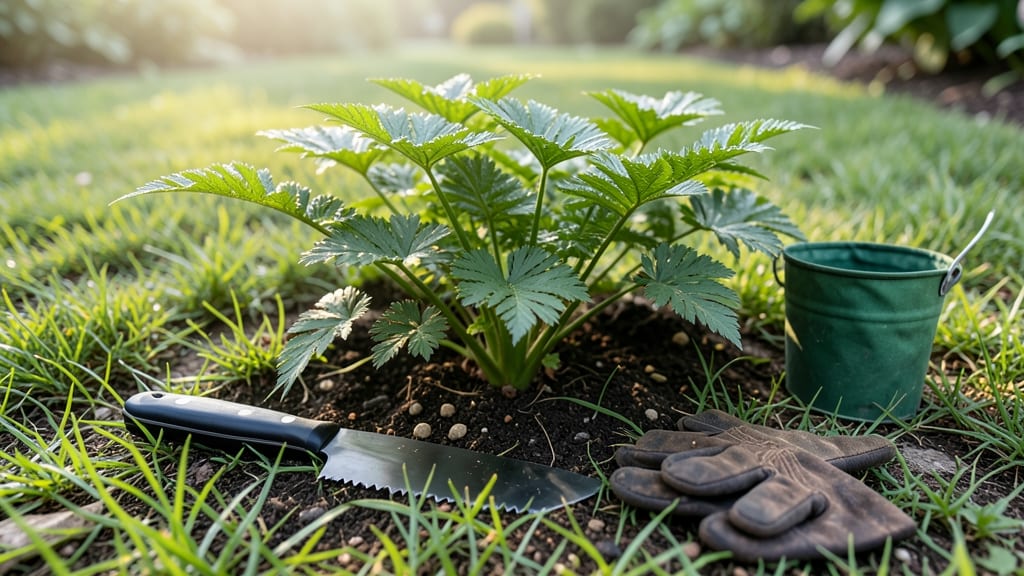
Those delicate fern weeds creeping into your lawn aren’t just an eyesore—they’re a sign your turf needs a reset. 🌿 I’ve wrestled with Polypodium and Dryopteris species in my own yard, and I’ll show you how to tackle them without sacrificing your grass or the planet.
The problem starts when dense shade, compacted soil, or overwatering create the perfect fern paradise. These weeds don’t just survive—they thrive where lawns struggle, turning your yard into a patchwork of green frustration.
But here’s the good news: with the right approach, you can reclaim your turf in 3-4 weeks without resorting to harsh chemicals. We’ll cover targeted removal (organic and chemical options), soil adjustments to discourage regrowth, and simple maintenance tweaks that make your lawn less inviting to ferns.
Think of this as a spotless-turf reset button—no more hiding those bare patches under mulch or pretending they don’t exist. Whether you’re dealing with a few fronds or a full-scale invasion, these methods work for shady lawns, sunny edges, and everything in between.
Let’s get your grass back to looking like the only thing growing there is what you planted.
The Hidden Triggers Behind Fern Weed
Fern weed—those delicate, feathery invaders—don’t just appear out of nowhere. Understanding the why behind their persistence is the first step to eradicating them for good. These resilient plants thrive under specific conditions, often exploiting gaps in your lawn care routine.
Let’s break down the real culprits turning your grass into a fern weed haven.
Fern weed often takes root in lawns where the soil is too acidic, compacted, or nutrient-poor. Unlike grass, which prefers a balanced pH (around 6.0–7.0), ferns love acidic soil (pH 5.0–6.0) and thrive in areas where organic matter is lacking.
- Low nitrogen levels: Grass competes aggressively for nitrogen, but fern weed adapts to leaner soil. If your lawn is thin or patchy, ferns fill the void.
- Compacted soil: Heavy foot traffic, machinery, or clay-heavy soil restricts water and oxygen, weakening grass roots. Ferns, with their shallow, sprawling roots, dominate these stressed zones.
- Excessive shade + moisture: Ferns flourish in damp, shaded areas where grass struggles. Poor drainage or overwatering creates the perfect fern-friendly microclimate.
Actionable fix: Conduct a soil test to check pH and nutrient levels. Amend acidic soil with lime, and aerate compacted areas to improve root growth. Overseed with shade-tolerant grass varieties to outcompete ferns.
Fern weed is a light opportunist. While it can tolerate partial shade, it explodes in areas where grass is struggling due to:
- Inconsistent watering: Grass needs 1–1.5 inches of water per week. Too little, and roots weaken; too much, and ferns take over damp, soggy patches.
- Thin or dying grass: Bare spots (from disease, pests, or drought) leave ferns with an open invitation. They spread via spores, not seeds, making even small gaps a breeding ground.
- Morning shade + afternoon sun: Ferns outcompete grass in these transitional zones where moisture lingers but sunlight is inconsistent.
Actionable fix: Water deeply but infrequently (early morning) to encourage deep grass roots. Mow high (3–4 inches) to shade out ferns and fill bare spots with grass seed or a pre-emergent herbicide in early spring.
Unlike annual weeds that rely on seeds, fern weed spreads via spores—tiny, windborne particles that can travel hundreds of feet. Once established, they:
- Reproduce aggressively: A single fern plant can release millions of spores per season, ensuring new colonies in nearby weak spots.
- Outcompete grass: Their rapid growth and dense foliage block sunlight, smothering grass roots and creating a self-perpetuating cycle.
- Survive harsh conditions: Ferns are drought- and cold-tolerant, making them hardier than many grass types in marginal lawn areas.
Actionable fix: Remove ferns before they release spores (late summer to early fall). Use a string trimmer or manual removal to pull them out by the roots. For large infestations, apply a selective herbicide (like ferny killer or trimec) targeting ferns while sparing grass.
Fern weed rarely invades a healthy, well-maintained lawn. The problem starts when:
- Mowing is skipped or done incorrectly: Tall grass shades out ferns, but uneven cuts create stress points where ferns thrive.
- Fertilizer is mismanaged: Over-fertilizing can burn grass, while under-fertilizing leaves it vulnerable to weeds.
- Pests or disease weaken grass: Grubs, chinch bugs, or fungal infections create bare patches—fern weed’s favorite real estate.
Actionable fix: Stick to a consistent lawn care schedule: mow weekly, fertilize seasonally, and treat pests/diseases at the first sign. Core aeration in fall improves grass resilience, making it harder for ferns to gain a foothold.
Fern weed doesn’t respect boundaries—it exploits weakness. But by addressing soil, water, spread, and lawn health, you can starve it out before it takes over. The key? Proactive care over reactive fixes.
How to Remove Stubborn Lawn Invaders
Fern weed might seem like a harmless fern, but it’s actually a sneaky turf thief that steals nutrients, water, and sunlight from your grass. The good news? With the right approach, you can banish it for good.
Below, we’ve mapped out targeted solutions based on the root cause of your fern weed problem—whether it’s overgrowth, poor soil, or lawn neglect—plus proactive steps to keep it from staging a comeback.
If your lawn is already dotted with thick fern clusters, manual removal is your best first line of defense. But timing and technique matter—do it wrong, and you’ll just stress your grass. #### 🍳 Step 1: Pull at the Right Time - Best time to act: Early spring or fall when ferns are actively growing but before they seed. Avoid summer heat, which can shock your lawn. - How to pull: Grasp the fern at its base (where the crown meets the soil) and wiggle it free. Use gloves—fern fronds can irritate skin! - Pro tip: 💡 If the roots break off, dig deeper to remove the entire root system. Even a tiny fragment can regrow. #### 👨🍳 Step 2: Smother or Mulch (For Stubborn Spots) - For small patches: Lay down cardboard or thick layers of newspaper over the area, then top with 2–3 inches of mulch or compost. Leave it for 4–6 weeks to suffocate the ferns. - For large areas: Use a black plastic tarp secured with bricks or rocks. Solarization (letting the sun bake the tarp) kills ferns in 6–8 weeks. - Warning: ⚠️ Avoid smothering your grass—only target bare spots where ferns thrive. #### 🥘 Step 3: Reseed or Sod the Area Once the ferns are gone, restore your lawn with: - Grass seed: Choose a shade-tolerant variety (like fine fescue) if the area gets little sun. - Sod: For instant coverage, lay down pre-grown sod and water deeply for the first 2 weeks. - Soil prep: Loosen compacted soil with a rake and mix in compost to improve drainage and nutrient uptake. Fern weed loves moist, acidic, or nutrient-poor soil. If your lawn’s pH or fertility is off, ferns will keep returning. Fix the underlying issues to crowd them out. #### 🔪 Step 1: Test and Adjust Soil pH - Ideal pH for grass: 6.0–7.0 (most ferns prefer <6.0). - How to test: Use a soil test kit (available at garden centers) or send a sample to your local extension office. - How to raise pH: Sprinkle lime evenly over the lawn in early fall, following package instructions. Re-test in 3–6 months. #### 🌡️ Step 2: Improve Drainage and Aerate - Problem: Compacted or waterlogged soil? Ferns love it. - Solution: Rent a core aerator to pull small soil plugs, then top-dress with compost. This loosens the soil and encourages grass roots to outcompete ferns. - For clay soil: Mix in sand or perlite to improve drainage. #### 🎯 Step 3: Fertilize Smartly - Avoid high-nitrogen fertilizers (ferns love them!). Instead, use a balanced, slow-release fertilizer (like 10-10-10) in early spring and fall. - For lawn recovery: Apply a grass-specific fertilizer with iron to strengthen turf and shade out ferns. An ounce of prevention beats a pound of pulling. Keep your lawn fern-free with these long-term strategies: #### ✨ Maintain a Thick, Healthy Lawn - Mow high: Set your mower to 3–4 inches to crowd out weeds and retain moisture. - Water deeply but infrequently: 1–1.5 inches per week (early morning) to encourage deep grass roots. - Overseed bare spots: Fill thin areas with grass seed in early fall to eliminate fern-friendly gaps. #### 🌿 Use Pre-Emergent Herbicides (Strategically) - When to apply: Late winter/early spring (before fern spores germinate). - Best products: Look for pre-emergent herbicides labeled for broadleaf weeds and ferns (e.g., corn gluten meal or products with pendimethalin). - Spot-treat only: Avoid blanket applications—target areas where ferns are likely to sprout. #### 🔄 Rotate Your Lawn Care Routine - Avoid monoculture: Mix grass types (e.g., Kentucky bluegrass + fine fescue) for resilience. - Dethatch annually: Remove thatch buildup (over ½ inch) to prevent fern seeds from germinating. - Pull new sprouts early: Check your lawn weekly in spring and yank any baby ferns before they establish.Remember: Fern weed is persistent, but with consistent care, your lawn can reclaim its spotless glory. Start with removal, fix the soil, and then lock in prevention—your turf will thank you! 🌱💪
Frequently asked questions
How can I tell if those fern-like plants are actually weeds?
Most true ferns (like maidenhair or Boston fern) aren't weeds—they're ornamental plants. The "fern weeds" in lawns are usually Polypodium or Dryopteris species, which spread aggressively via spores. Look for feathery fronds growing in patches, not isolated clumps like garden ferns. True weeds will also have shallow roots that pull out easily when tugged.
Will vinegar kill fern weeds without harming my grass?
Plain white vinegar can kill fern weeds, but it's risky for grass. Use a 10% acetic acid solution (like full-strength vinegar) on a dry, sunny day and only target the fern fronds—avoid spraying grass. For safety, spot-test first and consider a vinegar + dish soap mix (1:1 ratio) to improve adhesion. Reapply every 3-5 days until the ferns die back.
Why do fern weeds keep coming back after I pull them?
Fern weeds spread through spores, not seeds, so even tiny root fragments can regrow. The real culprit is often compacted soil or acidic conditions (pH below 6.0) that let them thrive. After removal, aerate the lawn and apply lime (to raise pH) or compost (to improve soil structure). Overseed with shade-tolerant grass to block regrowth.
Can I use the same herbicide for fern weeds as for clover?
No—fern weeds are non-flowering (no seeds), while clover is a broadleaf weed. Use a selective herbicide labeled for ferns, like trimec or ferny killer, which targets their unique biology. For clover, you'd need a 2,4-D-based product. Always spot-treat and follow label instructions to avoid damaging grass.
How long does it take to see results after treating fern weeds?
Manual removal shows results in 1-2 weeks if done thoroughly. Chemical treatments take 2-4 weeks to kill established ferns, while pre-emergent herbicides prevent new growth in 3-6 weeks. For best results, combine removal with soil adjustments (like aeration or lime) and monitor for 6-8 weeks to catch regrowth early.