
Lawn
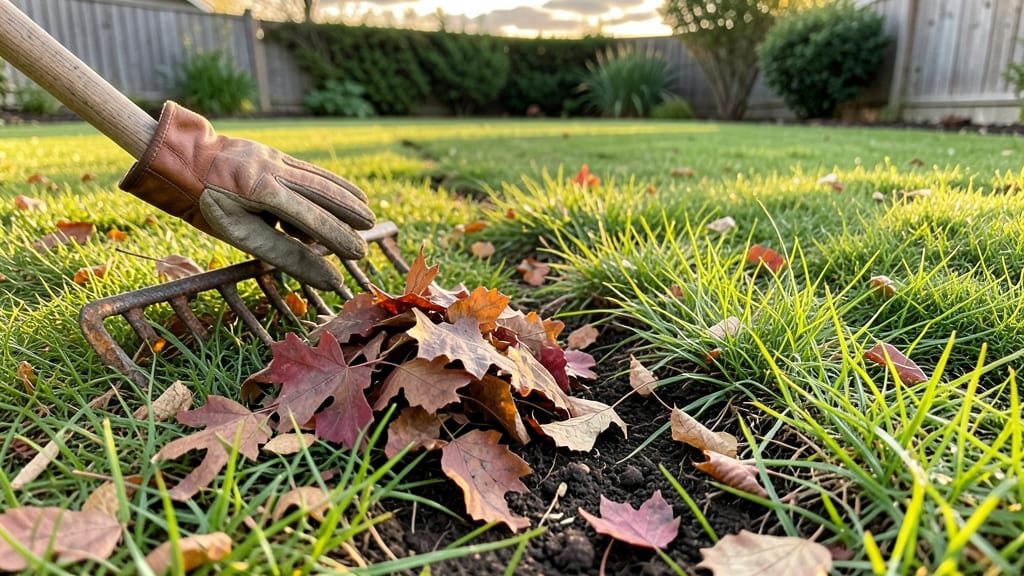
Leaves are good for the lawn when managed properly, as they break down into nutrient-rich compost that boosts soil fertility and moisture retention—but thick piles can suffocate grass and create pest problems. The key is strategic raking or mulching.
Fallen leaves act like nature's slow-release fertilizer, returning vital nutrients like nitrogen and potassium to the soil as they decompose. 🌿 However, this only works when leaves are spread thinly—thick mats block sunlight and air, starving grass roots.
I've found that shredding leaves first speeds up breakdown, while leaving whole leaves in small piles creates microhabitats for beneficial insects.
For best results, aim for a 1-2 inch layer of leaves and mow over them occasionally to chop them into smaller pieces. This mimics how leaves naturally decompose in forests, where they gradually enrich the ecosystem rather than smothering it.
Timing matters too: spread leaves in early fall before heavy rains to prevent clumping.
💡 In This Article
- How Fallen Leaves Benefit Soil and Grass Health
- Best Practices for Using Leaves as Lawn Mulch
How fallen leaves benefit soil and grass health
When leaves decompose, they kickstart a natural process called carbon enrichment, where organic matter breaks down into humus—a crumbly, nutrient-dense soil component. This process releases essential nutrients like nitrogen (critical for leaf growth), potassium (which strengthens root systems), and phosphorus (aiding energy transfer in plants).
A single oak leaf, for example, contains about 0.5-1.0% nitrogen by dry weight, while maple leaves provide more phosphorus. 🌱 The breakdown also improves soil structure by increasing its ability to hold moisture, reducing water runoff by up to 30% compared to bare soil.
The decomposition process relies on soil microbes—bacteria and fungi—that thrive in leaf litter. These microorganisms break down cellulose and lignin (the tough, woody parts of leaves) through a process called mineralization, converting them into simpler compounds grass roots can absorb.
However, this only works efficiently when leaves are spread thinly—thick layers (over 3 inches) create anaerobic conditions, slowing decomposition and producing foul-smelling compounds like methane. I've noticed this firsthand in my own yard, where thick leaf piles turned into slimy, stinking mats by spring.
One often-overlooked benefit is how leaves support beneficial insects and microorganisms. A 1-2 inch layer of leaves creates microhabitats for ground beetles, springtails, and fungi that prey on lawn pests like grubs. These tiny ecosystems act as natural pest control, reducing the need for chemical interventions.
The trade-off? Whole leaves left too long can become a breeding ground for fungal diseases like brown patch, especially in humid climates. The solution? Shredding leaves accelerates decomposition by increasing surface area for microbial action—shredded leaves break down 3-4 times faster than whole ones.
Seasonal timing plays a crucial role in maximizing benefits. In early fall, when leaves first drop, their high carbon content helps build soil structure before winter dormancy. By late spring, when grass is actively growing, the released nutrients provide a natural boost.
However, leaving leaves too late in the season can smother grass before it enters dormancy, leading to winter kill. I've found that spreading leaves in two applications—once in early fall and again in late fall—balances decomposition timing with grass needs.
Consider these key factors when assessing leaf benefits:
- Leaf type matters: Deciduous leaves (like oak or maple) decompose faster than evergreens (pine or spruce), which contain more waxy, slow-breaking-down compounds.
- Soil pH influence: Acid-loving grasses (like fescue) thrive with leaf mulch, while alkaline soils may need lime adjustments to balance the carbon-rich input.
- Thatch layer control: Too many leaves can thicken thatch, blocking water and air—aim for ½ inch or less of thatch layer for optimal grass health.
What most people don't realize is that leaves also act as natural mulch, reducing soil temperature fluctuations by 5-10°F during heatwaves and protecting roots from freeze-thaw cycles in winter. This insulation effect is particularly valuable in northern climates where temperature swings are extreme.
The key is finding that sweet spot between enough leaf coverage for benefits and too much that causes harm—typically 1-2 inches spread evenly across the lawn. 🌿