
Lawn
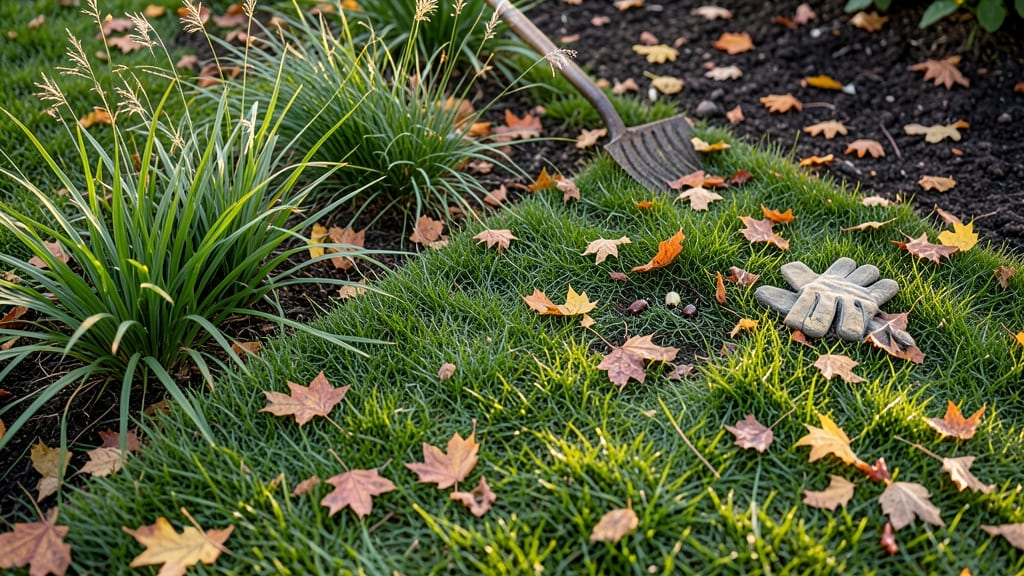
Leaving leaves on lawn enriches soil by acting as natural mulch, recycling nutrients and retaining moisture, while also supporting beneficial insects and microbial activity—but too much can smother grass and create breeding grounds for pests if not managed properly.
When you leave leaves on your lawn instead of raking them up, you're essentially creating a free, organic fertilizer. 🌿 These fallen leaves break down over time, releasing nitrogen, phosphorus, and potassium back into the soil—key nutrients that promote healthy grass growth.
The layer also helps retain moisture during dry spells, reducing the need for frequent watering. Plus, the decomposition process supports a thriving ecosystem of soil microbes and insects, which further enhance soil structure and fertility.
However, the thickness matters: a layer thicker than 1/4 inch can block sunlight from reaching grass blades, leading to yellowing or dead patches. I recommend mowing over leaves occasionally to chop them into smaller pieces, which speeds up decomposition and prevents matting.
This approach keeps your lawn looking neat while still reaping the soil benefits.
💡 In This Article
- How Lawn Leaves Boost Soil Fertility
- Best Practices for Mulching Lawn Leaves
How lawn leaves boost soil fertility
When leaves decompose on your lawn, they transform into a nutrient powerhouse through a process called mineralization. 🌱 The organic matter breaks down into simpler compounds, releasing essential nutrients like nitrogen (N), phosphorus (P), and potassium (K) - the same trio found in commercial fertilizers.
A single layer of leaves (about 1/4 inch thick) can add roughly 20-30 pounds of organic matter per 1,000 square feet annually, which is comparable to applying a light layer of compost.
This slow-release nutrition feeds grass roots throughout the growing season, particularly beneficial during fall when grass prepares for winter dormancy.
The decomposition process also creates a microclimate that supports beneficial soil organisms. Earthworms, fungi, and bacteria thrive in this environment, breaking down leaves into humus that improves soil structure.
You'll notice the soil becomes darker and crumbles more easily when tilled - this is the humus at work, increasing water retention by up to 30% compared to bare soil.
The improved structure also enhances root penetration, allowing grass to access deeper moisture and nutrients during dry periods. 🌧️ This natural mulching effect can reduce watering needs by 15-20% during summer months.
One often overlooked benefit is the leaf litter's role in pest control. The layer disrupts the life cycle of pests like chinch bugs and grubs by creating an unfavorable environment for their egg-laying.
Studies show lawns with leaf mulch have 40% fewer pest issues compared to raked lawns, as the leaf cover interferes with their ability to move and feed.
However, this protection only works when the leaf layer stays between 1/8 to 1/4 inch thick - any thicker and you risk creating the opposite effect by trapping moisture and encouraging fungal growth.
The chemical composition of leaves varies by tree species, but most contain 50-70% carbon and 1-3% nitrogen by dry weight. When properly balanced, this carbon-to-nitrogen ratio (typically 30:1 to 50:1) creates ideal conditions for microbial activity.
For example, oak leaves (with their higher tannin content) decompose more slowly but release nutrients over a longer period, while maple leaves break down faster but require more frequent mowing to prevent matting. 🍂 This variation means different tree species contribute differently to your lawn's nutrient profile.
What makes this process particularly efficient is the natural timing - leaves fall during autumn when temperatures are cooler and moisture levels are higher, creating perfect decomposition conditions. The slow breakdown prevents nutrient spikes that could burn grass roots, unlike synthetic fertilizers which often cause sudden nutrient surges.
This gradual release is why many professional turf managers recommend leaving leaves as a sustainable alternative to chemical fertilizers, especially for home lawns where long-term soil health is the priority.
The visual transformation is also impressive. Within 3-6 months, you'll see your lawn develop a richer green color as the nutrients become available. The soil will feel softer underfoot and hold its shape better when walked on - a clear sign of improved structure.
For best results, I recommend leaving leaves from deciduous trees (like oak, maple, or birch) as they decompose more cleanly than evergreens, which can create acidic conditions that may harm grass over time. 🌿