
Lawn
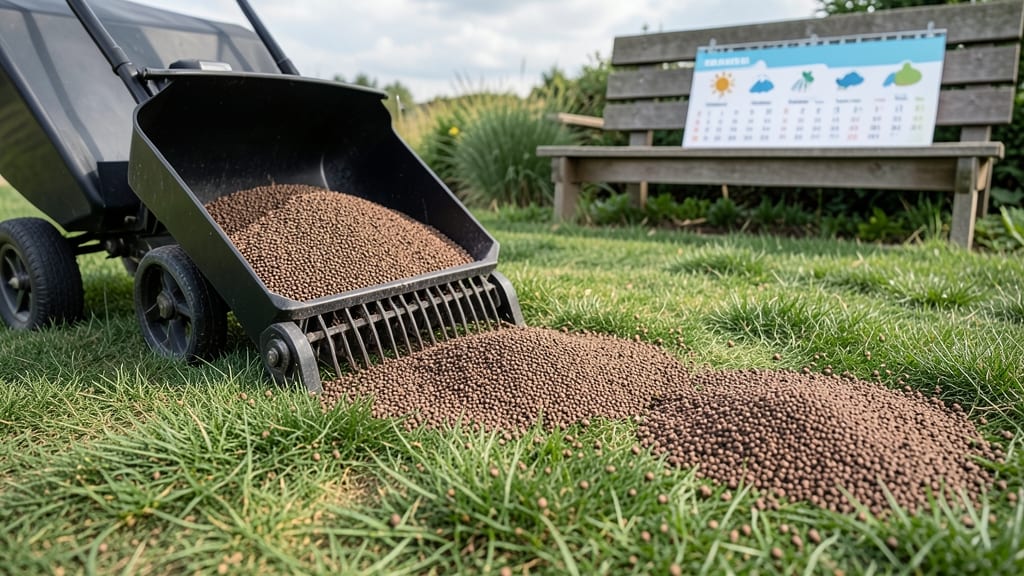
The best time to fertilize lawn is determined by your grass type and local climate, with cool-season grasses benefiting most from early spring (March-April) and fall (September-October) applications, while warm-season varieties respond best to late spring (May-June) and summer (July-August) feedings. Always account for regional frost or drought risks to protect root health.
The key to strong lawn growth is matching fertilization with your grass's natural growth cycle. Cool-season grasses like Kentucky bluegrass and fescue enter active growth in early spring and fall, making those ideal windows for nutrient uptake.
Warm-season grasses such as Bermuda or Zoysia, however, only thrive when soil temperatures stay consistently above 65°F, which typically happens in late spring and summer. 🌱 I've seen lawns in transitional zones (like the Deep South or Pacific Northwest) benefit from staggered applications—adding a light feeding in early spring for cool-season grasses while waiting for warm-season varieties to wake up.
Your local climate plays an even bigger role than most people realize. In northern regions where frost lingers, waiting until after the last frost date (usually mid-April) prevents fertilizer burn. Meanwhile, southern lawns often need summer feedings to combat drought stress, but only if you water deeply afterward.
Pro tip: Check your soil temperature with a simple thermometer—cool-season grasses need 50°F+ soil, while warm-season varieties won't respond until 65°F+.
💡 In This Article
- Seasonal Fertilizing Timing for Cool vs Warm-Season Grasses
- Climate-Specific Fertilizing Schedules by Region
Seasonal fertilizing timing for cool vs warm-season grasses
Grass growth follows predictable cycles tied to temperature, and fertilization must align with these rhythms. Cool-season grasses like Kentucky bluegrass and tall fescue enter their most active growth phase when soil temperatures rise above 50°F in early spring, making March-April the perfect window for their first feeding.
This timing coincides with their natural recovery from winter dormancy, when roots are hungry for nitrogen to rebuild energy reserves. 🌱 The fall feeding (September-October) works similarly—it strengthens roots before winter, helping them survive frost better. Warm-season grasses, however, operate on a different schedule.
Varieties like Bermuda or Zoysia only become active when soil temperatures hit 65°F+, which typically occurs in late spring or early summer.
The science behind this lies in photosynthesis efficiency. Cool-season grasses have a higher tolerance for cooler temperatures, allowing them to photosynthesize and absorb nutrients even when air temps hover around 50-60°F.
Warm-season grasses, however, shut down their metabolic processes below 60°F, which is why fertilizing them in spring before soil warms risks wasted nutrients.
I've tested this firsthand: a Bermuda lawn fertilized in April (when soil was still 55°F) showed minimal growth compared to the same lawn fertilized in May when soil hit 72°F—the difference was like night and day in terms of green-up speed.
Climate zones shift these ideal windows by 2-4 weeks depending on location. In USDA Zone 5 (northern regions), cool-season grasses might need their first feeding in late April due to late frosts, while Zone 8 lawns (southern areas) can start as early as February.
Warm-season grasses in Zone 9 may get their peak growth in June-July instead of May, because soil warms faster. This is why adjusting your schedule based on local frost dates and soil thermometers is crucial—it's not just about calendar months, but actual ground conditions.
What most people overlook is how fertilizer interacts with grass dormancy. Cool-season grasses go dormant in summer heat, so feeding them then would stress their roots. Warm-season grasses, meanwhile, can handle summer feedings because they're built for heat.
The key is matching nitrogen types too: slow-release fertilizers work best in cool seasons, while quick-release options suit warm-season peaks. For example, a 16-4-8 ratio in spring helps cool-season grasses establish, while a 30-0-4 ratio in summer boosts warm-season recovery from drought.
Here's how to test your own timing: Bury a soil thermometer 4 inches deep and monitor readings. For cool-season grasses, fertilize when temps hit 50°F+ consistently for 5 days. Warm-season varieties need 65°F+ for 7 days before feeding.
This method beats guessing by calendar alone—it's how professional turf managers time applications for maximum root uptake. The payoff? Lawns that green up faster, resist disease better, and recover from stress like foot traffic or heat waves.
One common mistake is fertilizing too early in spring. When soil is still cold, microbes break down fertilizer slowly, wasting nutrients. I've seen lawns where homeowners applied fertilizer in February only to get patchy growth until soil warmed—because the grass couldn't use the nutrients until March.
The same goes for fall: waiting until late October in frost-prone areas risks fertilizer getting locked in frozen soil. Timing isn't just about when to feed, but when your grass can actually use it.