
Lawn
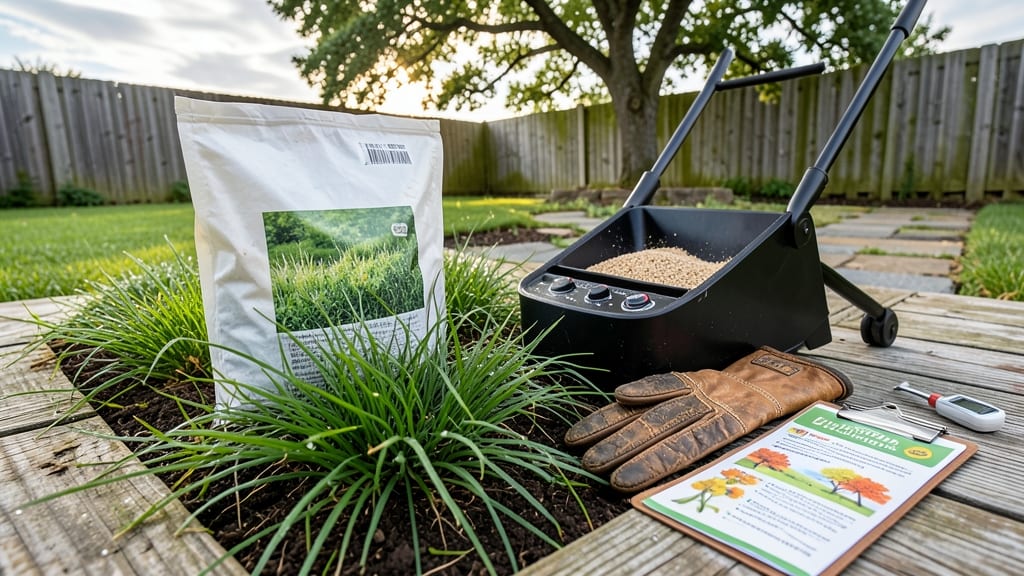
Fertilizing your lawn in North Carolina at the wrong time can mean wasted money and stressed grass 🌱 — timing is everything, especially in zones 6b-8a where heat and humidity shift fast.
North Carolina’s humid subtropical climate means your lawn’s fertilization schedule must adapt to local heat, humidity, and seasonal shifts—or risk weak growth and pest invasions.
Most homeowners in NC fertilize twice a year—once in early spring and again in fall—but the exact timing depends on your grass type (cool-season vs. warm-season) and whether you’re using pre-emergent or post-emergent fertilizer.
Below, I’ll break down the best months to fertilize, how to adjust for your specific zone, and the simple signs your lawn is actually ready for a feeding—so you’re not overdoing it when the weather turns.
NC lawn fertilization schedule by climate zone (spring & fall timing)
North Carolina’s three distinct climate zones—Coastal Plain, Piedmont, and Mountains—each demand unique fertilization timing. Coastal areas stay warmer longer, while mountain regions experience cooler springs and earlier frosts.
Understanding these differences ensures your lawn gets the right nutrients at the right time for vibrant growth and pest resistance.
Spring fertilization kickstarts growth after winter dormancy, while fall applications strengthen roots for winter survival. The key? Temperature triggers—fertilizing when soil temps hit 55°F–65°F in spring and 60°F–70°F in fall.
Below, I break down the ideal months and fertilizer types for each zone, including when to switch from quick-release to slow-release formulas.
⚠️ PRO TIP: Always conduct a soil test before fertilizing. NC State Extension offers free tests to determine pH and nutrient deficiencies. Adjust your schedule based on results—over-fertilizing can harm your lawn and local waterways.
For the Coastal Plain, where winters are mild, start fertilizing as early as late February with a quick-release formula to jumpstart growth before summer heat arrives. In Piedmont regions, wait until mid-March to avoid fertilizing too soon—cool soils can lock up nutrients.
Mountain zones require patience; fertilize no earlier than late April to prevent winterkill.
In fall, Coastal Plain lawns benefit from a late-September application to prepare for mild winters, while Piedmont and Mountain lawns should be fertilized by early October to harden off before frost. Use a slow-release fertilizer in fall to provide steady nutrients without encouraging late-season growth that weakens roots before winter.
Watch for weather shifts like sudden rain or drought. If heavy rain is forecast within 48 hours of fertilizing, delay application to prevent nutrient runoff. Similarly, avoid fertilizing during drought conditions—grass roots won’t absorb nutrients effectively until soil moisture returns.
Grass types also influence timing. Cool-season grasses (like tall fescue) thrive with spring and fall feedings, while warm-season grasses (like Bermuda) need summer applications. In NC’s transition zones, a split application—half in spring, half in fall—often works best for mixed lawns.
Protect your investment by watering deeply after fertilizing. Apply ½ inch of water within 24 hours to help nutrients penetrate the soil. Early morning watering (before 10 AM) minimizes evaporation and fungal risks.
Pair this with regular mowing—keep grass at 3–4 inches in summer to reduce stress and nutrient loss.
If you overseed in fall, time your final fertilization 4–6 weeks before the first frost. This gives new grass time to establish roots without competing with winter weeds. For Mountain zones, aim for a late September application to avoid frost damage to tender seedlings.
🌱 Remember: Less is often more with lawn fertilization. Overdoing it leads to burnt grass, water pollution, and pest attractants. Stick to the zone-specific schedule, and your NC lawn will stay lush year-round.
Signs your NC lawn needs fertilizer (and when to avoid it)
North Carolina’s humid subtropical climate creates perfect conditions for lush lawns—but only if you fertilize at the right time. Yellow patches, slow recovery after mowing, and thin grass are classic signs your lawn is hungry.
However, these symptoms can also signal drought stress, soil compaction, or even fungal issues. Before reaching for fertilizer, check whether your lawn truly needs nutrients or just a drink.
Start by inspecting your lawn for uneven color. Healthy cool-season grasses (like tall fescue) should be deep green, while warm-season grasses (like Bermuda) may appear blue-green in heat. Pale or yellowing patches often indicate nitrogen deficiency, but brown spots could mean drought or disease.
Run your hand over the grass—if it feels spongy or weak, fertilization may help.
⚠️ WARNING: Don’t Fertilize If... ⚠️
- Soil is soggy (wait 2–3 days after heavy rain).
- Grass blades feel brittle (drought damage).
- Yellowing with crispy edges (heat or fungal stress).
Another red flag is slow recovery after mowing. If your lawn takes more than 7–10 days to bounce back, it’s likely nutrient-depleted. Compare your lawn to neighbors’—if theirs is thicker and greener, your soil may need a balanced fertilizer (like 16-4-8 for cool-season grasses).
For warm-season grasses, a high-potassium fertilizer (e.g., 10-10-20) in late summer can boost drought resistance.
Use this quick checklist to diagnose: ☑️ Yellow patches (check soil moisture first) ☑️ Thin or patchy areas (could be weeds or poor soil) ☑️ Grass pulls easily (root weakness = nutrient need) ☑️ Weeds dominating (soil imbalance, not just fertilizer) If 3+ signs apply, your lawn likely needs fertilizer—but only after ruling out water issues or soil pH problems (test with a $10 soil kit from garden centers).
Timing matters too. In NC’s Piedmont region, fertilize cool-season grasses in early spring (March) and fall (September). For warm-season grasses, wait until late spring (May) or early summer (June).
Avoid fertilizing when temps exceed 85°F—this burns grass roots. If you’re unsure, do a spot test: Apply fertilizer to a 10x10 ft section and monitor for 2 weeks.
Remember, over-fertilizing causes more harm than good. Dark green but weak grass or white crust on soil (fertilizer salt buildup) mean you’ve overdone it. Stick to 0.5–1 lb of nitrogen per 1,000 sq ft per application, and always water after fertilizing to help nutrients absorb.
When in doubt, wait and reassess—your lawn will thank you with thicker, healthier growth next season. 🌱