
Lawn
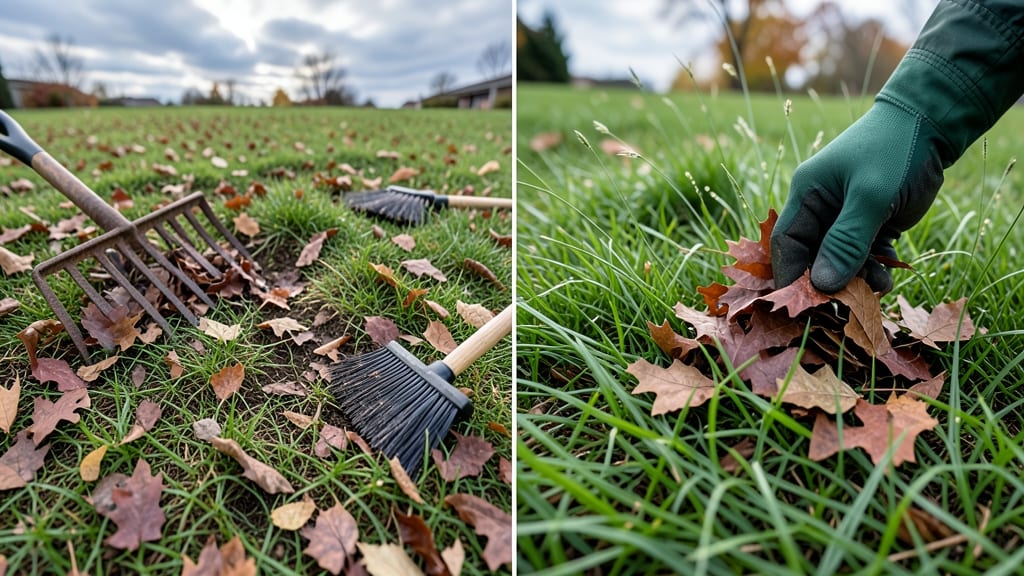
Leaves are bad for the lawn when left unchecked, as they smother grass, block sunlight, and trap moisture, causing fungal growth and suffocating roots. However, thin layers or mulched leaves can enrich soil naturally with nutrients.
When leaves pile up on grass, they create a suffocating barrier that prevents sunlight from reaching the blades, which is critical for photosynthesis. 🌿 A thick layer—over half an inch—can block up to 90% of light**, turning your lawn into a prime environment for mold and mildew.
The good news? A light dusting or properly mulched leaves actually break down into organic matter, feeding the soil and improving its structure over time. The key is balance—too many leaves become a problem, but a strategic approach can turn them into a lawn-care asset.
For best results, I recommend raking leaves into piles and either composting them or using them as mulch in garden beds.
If you're dealing with a heavy leaf fall, consider a leaf blower or vacuum for quick cleanup. 🍂 Timing matters too—addressing leaves in early fall prevents winter smothering, while spring cleanup removes any lingering debris that could hinder new growth.
💡 In This Article
- How Fallen Leaves Affect Grass Health Mechanically and Chemically
- Best Lawn Care Practices for Managing Fallen Leaves
How fallen leaves affect grass health mechanically and chemically
When leaves accumulate on grass, they create a physical barrier that disrupts the critical process of photosynthesis. Grass blades need 4-6 hours of direct sunlight daily to produce energy through photosynthesis.
A layer of leaves just ¼-inch thick can reduce sunlight penetration by 30-50%, while a ½-inch layer blocks up to 90%—effectively starving the grass of the energy it needs to grow and repair. This deprivation weakens the grass, making it more susceptible to disease and environmental stress. 🌱
The chemical impact comes from how leaves decompose. As they break down, they release organic acids that can lower soil pH, creating an environment where harmful fungi thrive. For example, Rhizoctonia and Fusarium—common lawn fungi—flourish in damp, shaded conditions created by thick leaf layers.
These fungi attack grass roots, leading to brown patches and dead spots. Additionally, leaves trap moisture against the grass blades, creating a humid microclimate that accelerates fungal growth. The combination of blocked sunlight and fungal activity can turn a healthy lawn into a breeding ground for disease within weeks.
Thickness matters more than most people realize. A light dusting of leaves (⅛-inch or less) actually benefits the lawn by slowly decomposing into organic matter, which improves soil structure and provides nutrients. However, once the layer exceeds ¼-inch, the risks outweigh the benefits.
The decomposition process also releases carbon dioxide, which can temporarily acidify the soil—though this effect is minimal in well-drained lawns. The real danger lies in the physical smothering and moisture retention, which create ideal conditions for pathogens. 🍃
Seasonal timing amplifies the damage. In fall, when grass growth slows, leaves can smother dormant blades, preventing them from absorbing sunlight even during brief warm spells. By winter, this smothering can lead to scald, where grass blades turn yellow or brown from lack of light and trapped moisture.
In spring, leftover leaves create a barrier that delays new growth, giving weeds a competitive edge. The key is to act before the leaf layer exceeds ¼-inch, as this threshold marks the shift from beneficial mulch to harmful blanket.
Consider the texture of the leaves, too. Broadleaf trees like maples and oaks produce leaves that mat together tightly, creating a nearly impenetrable layer. Needle-like leaves from pines, however, allow more airflow and sunlight to reach the grass below.
This is why lawns under pine trees often fare better than those under deciduous trees, even with leaf accumulation. The shape and density of the leaves directly influence how quickly they smother grass and how easily they can be managed. 🌲
Finally, the moisture factor can't be overstated. Leaves act like a sponge, absorbing and holding water against the grass blades. This trapped moisture creates the perfect conditions for fungal spores to germinate and spread.
In humid climates, this effect is even more pronounced, as the existing moisture in the air combines with the leaf layer to create a damp, shaded environment. The result? Grass that looks healthy on the surface but is rotting from the roots up.
Understanding these mechanical and chemical processes helps explain why leaves can go from a natural lawn asset to a devastating liability in just a few weeks. 💧