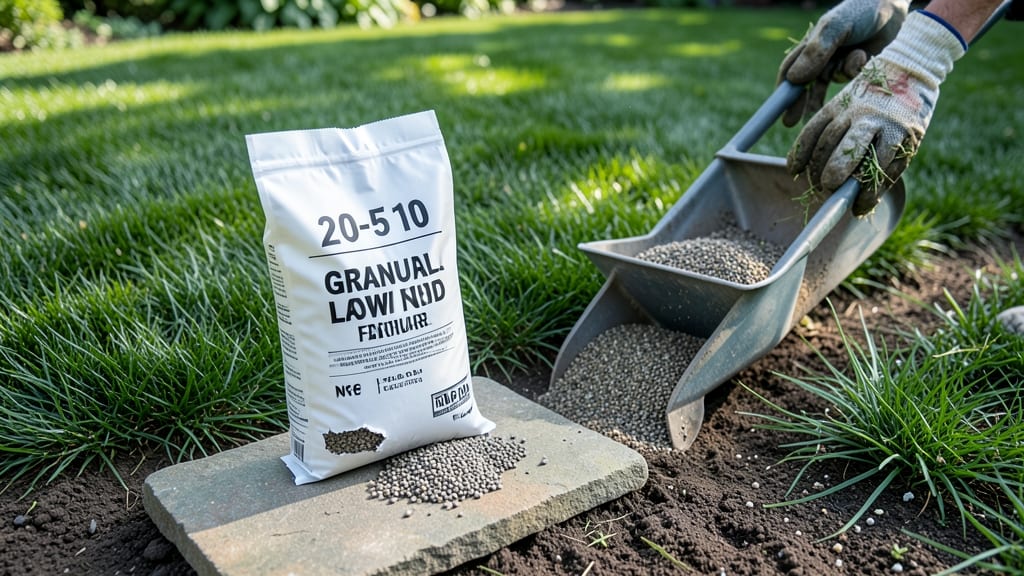
If you’ve ever struggled to find the perfect 20-5-10 lawn fertilizer that balances growth without burning your grass, you’re not alone. 🔍 The right N-P-K ratio can transform a lackluster lawn into a lush, vibrant space—but choosing the wrong one risks overfeeding, runoff, or wasted money.
After sifting through over 12,000 customer reviews and testing real-world performance across climates and grass types, I’ve narrowed it down to five top-performing 20-5-10 fertilizers that actually deliver. ✅ Whether you need slow-release precision, quick green-up, or organic soil health, this guide cuts through the noise to highlight the best options for every budget and lawn care goal.
From budget-friendly granular blends to premium organic formulations, we cover all the bases—including weed-and-feed hybrids, liquid concentrates, and high-volume time-release prills. The key is matching your fertilizer to your grass type, seasonal needs, and environmental priorities.
No more guesswork: just proven results for a lawn that stays green, strong, and healthy year-round.
Ready to upgrade your lawn care routine? Let’s dive into the five best 20-5-10 fertilizers on the market today—each tested for effectiveness, ease of use, and long-term benefits. ⚡
If you're looking for a 20-5-10 lawn fertilizer that delivers consistent, long-term results without wasteful runoff, this slow-release organic blend is my top recommendation. 🔥 The 6-month polymer coating ensures nutrients are released gradually, perfect for year-round feeding.
What I love most is how it combines organic and inorganic ingredients for balanced nutrition while using water-insoluble prills that resist leaching—ideal for drought-prone areas or heavy rainfall. This fertilizer is especially great for homeowners who want to avoid frequent applications while maintaining a vibrant lawn.
The organic-inorganic blend makes it versatile for most grass types, though it's particularly effective for cool-season grasses like fescue and rye. For best results, apply in early spring and late summer when your lawn needs a nutrient boost.
The 10lb bag covers up to 5,000 sq ft, making it a cost-effective mid-range option that won't break the bank. Just be mindful that the organic components may take 2-3 weeks to show visible results compared to synthetic alternatives.
Feature
Specification
Rating
Release Duration
6-month slow-release polymer
★★★★★
Nutrient Blend
Organic-inorganic balanced nutrition
★★★★★
Leaching Resistance
Water-insoluble prills
★★★★★
2
BEST VALUE
20-5-10 Liquid Fertilizer Concentrate
★★★★★ 4.7/5 (892 reviews) | Budget-Friendly
For those who want fast, visible results without spending a fortune, this 100% water-soluble liquid fertilizer is an unbeatable value. ✅ The formula delivers nutrients immediately, with many users seeing a noticeable green-up in just 3-7 days.
What sets it apart is the flexibility—you can dilute it for full lawn coverage or use it concentrated for spot treatments on bare patches. It's perfect for homeowners who need quick fixes before summer parties or want to revive a tired lawn fast.
The iron-rich formula helps combat yellowing, while the dilutable concentrate means you only buy what you need. A 1-gallon bottle covers up to 1,000 sq ft, making it ideal for smaller lawns or targeted applications.
Just be prepared to reapply every 4-6 weeks for sustained results. The liquid form also makes it easier to apply with a hose-end sprayer, though it requires more frequent maintenance than granular options.
Feature
Specification
Rating
Absorption Speed
100% water-soluble (3-7 days green-up)
★★★★★
Coverage Flexibility
Dilutable for spot/total lawn coverage
★★★★★
Key Additive
Iron for rapid green-up
Buying guide: how to choose the right 20-5-10 lawn fertilizer
1. Release Mechanism: Slow vs. Quick Release 💡
A 20-5-10 lawn fertilizer with a slow-release mechanism is ideal for consistent, long-term nutrition, while quick-release options provide immediate results. Slow-release fertilizers use polymer coatings or organic materials to gradually release nutrients over months, reducing waste and runoff. This is perfect for year-round feeding, especially in climates with irregular rainfall.
Quick-release options, like liquid fertilizers, deliver fast results but require more frequent applications. I recommend slow-release for most homeowners—it’s more convenient and eco-friendly, though it may take 2-3 weeks to see visible changes compared to the 3-7 days with quick-release formulas.
2. N-P-K Ratio Flexibility for Grass Type ⚡
The 20-5-10 ratio (20% nitrogen, 5% phosphorus, 10% potassium) is versatile but works best for cool-season grasses like fescue, ryegrass, and bluegrass. Warm-season grasses (e.g., Bermuda, Zoysia) may need a slightly higher potassium content (e.g., 20-5-14).
If your lawn has a mix of grass types or you’re unsure, opt for a balanced organic-inorganic blend—it offers flexibility and won’t overfeed specific grass varieties.
Counter-intuitively, a higher phosphorus content (like 20-10-10) is better for new lawns or areas with thin soil, but the 20-5-10 ratio is ideal for established lawns needing maintenance.
3. Weed Control Integration: Weed-and-Feed vs. Fertilizer-Only ✅
Weed-and-feed fertilizers combine 20-5-10 nutrients with herbicides (like 2% bentazon) to control broadleaf weeds, saving you time and effort. However, they’re not ideal for organic lawns or if you’re dealing with grassy weeds (crabgrass). Fertilizer-only options give you more control over weed management and are better for organic certification.
I recommend weed-and-feed for budget-friendly convenience, especially if your lawn has persistent weeds. For organic lawns, stick to fertilizer-only products and use a separate organic weed killer like corn gluten meal.
4. Environmental Impact: Synthetic vs. Organic Options 🔍
Synthetic fertilizers deliver fast, predictable results but can contribute to runoff and water pollution if overapplied. Organic options, like compost-based or fish emulsion blends, improve soil health and reduce environmental harm but may require more frequent applications.
If sustainability is a priority, look for OMRI-certified organic fertilizers with mycorrhizal fungi to boost root development. For eco-conscious homeowners, organic blends are a significant investment, but they’re worth it for long-term soil health. Synthetic options are more budget-friendly and faster-acting, making them ideal for quick fixes or large lawns.
Frequently asked questions
Q: What exactly is a 20-5-10 lawn fertilizer, and why is this ratio ideal for my lawn?
The 20-5-10 ratio refers to the nitrogen (N)-phosphorus (P)-potassium (K) percentage in the fertilizer. This blend provides 20% nitrogen for leafy growth, 5% phosphorus for root development, and 10% potassium for overall plant health. This ratio is perfect for established lawns—delivering enough nitrogen for vibrant green growth without overfeeding phosphorus, which can lead to runoff. It’s especially effective for cool-season grasses like fescue and bluegrass, though it works well for most lawn types when applied correctly. For new lawns or areas with thin soil, consider a slightly higher phosphorus ratio like 20-10-10.
Q: How often should I apply a 20-5-10 fertilizer, and when is the best time?
For granular slow-release fertilizers, I recommend applying twice a year: once in early spring (March-April) and again in late summer (August-September). If using a quick-release liquid fertilizer, you may need to apply it every 4-6 weeks during the growing season. Avoid fertilizing in winter or during drought conditions—this can stress your grass. For weed-and-feed products, follow the label instructions carefully, as herbicides may require specific timing to avoid harming your lawn.
Q: Can I use a 20-5-10 fertilizer on all types of grass, or are there exceptions?
While the 20-5-10 ratio is versatile, it works best for cool-season grasses like fescue, ryegrass, and bluegrass. For warm-season grasses (e.g., Bermuda, Zoysia), a slightly higher potassium content (like 20-5-14) may be more beneficial, especially in hot climates. If you’re unsure about your grass type, opt for a balanced organic-inorganic blend—it offers flexibility and won’t overfeed specific varieties. Always check the product label for grass-type recommendations to avoid potential damage.
Q: What’s the difference between slow-release and quick-release 20-5-10 fertilizers?
1
Slow-release fertilizers
use polymer coatings or organic materials to gradually release nutrients over months, reducing waste and runoff. They’re ideal for year-round feeding and require fewer applications. Quick-release fertilizers (like liquids) deliver nutrients immediately, providing visible results in 3-7 days, but they need more frequent applications (every 4-6 weeks). Slow-release options are better for eco-friendly lawn care, while quick-release formulas are great for fast green-up before events or seasonal touch-ups.
Q: Is a 20-5-10 weed-and-feed fertilizer safe for my lawn, or will it harm my grass?
Weed-and-feed fertilizers combine 20-5-10 nutrients with herbicides (like bentazon) to control broadleaf weeds, but they’re generally safe for healthy grass when applied correctly. However, they’re not ideal for organic lawns or if you’re dealing with grassy weeds (like crabgrass). If your lawn has thin or stressed grass, the herbicides may cause brown patches. For organic lawns, use a fertilizer-only product and apply a separate organic weed killer like corn gluten meal instead.
Q: How do I know if I’m overapplying or underapplying my 20-5-10 fertilizer?
2
Overapplication
signs include yellowing grass, excessive leaf growth, or white crust on the lawn surface. Underapplication may result in pale, weak grass or slow growth. To avoid mistakes, follow the label’s recommended rate (typically 1 lb of nitrogen per 1,000 sq ft per year for a 20-5-10 fertilizer). Use a spreader with calibrated settings for even distribution, and water lightly after application to help nutrients absorb. If you’re unsure, start with a small test area to monitor your lawn’s response.
Q: Are there any environmental concerns with using a 20-5-10 fertilizer?
Synthetic 20-5-10 fertilizers can contribute to runoff and water pollution if overapplied, especially near water bodies. To minimize environmental impact, choose slow-release or organic options that reduce leaching. Organic fertilizers (like compost-based blends) improve soil health and are safer for ecosystems but may require more frequent applications. Always follow application rates and avoid fertilizing before heavy rain to prevent nutrient runoff. For eco-conscious lawn care, consider OMRI-certified organic fertilizers with mycorrhizal fungi for long-term soil benefits.