
Lawn
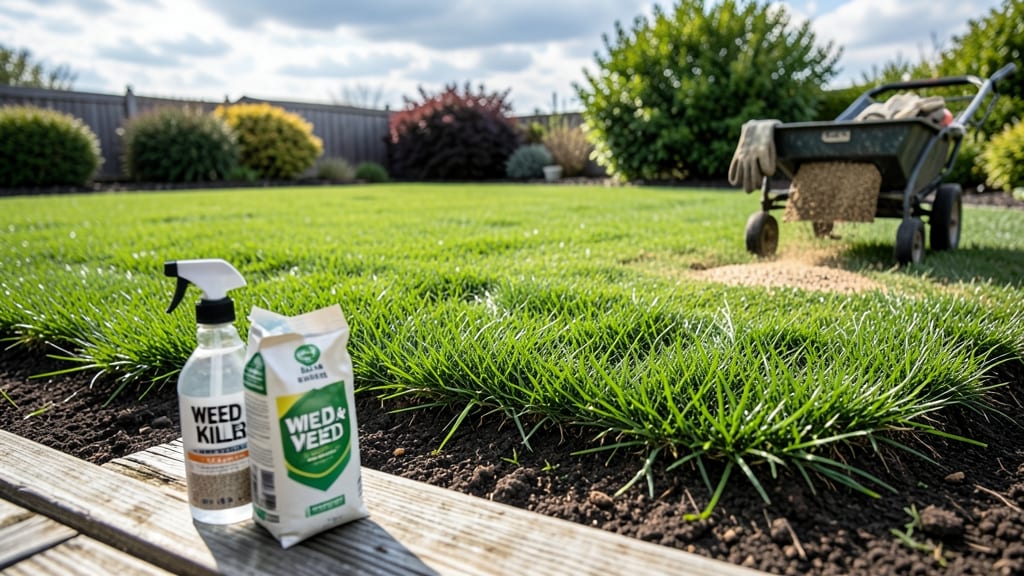
If you’re tired of battling weeds while your lawn stays patchy and yellow, a weed killer lawn feed is your secret weapon—combining weed elimination with the nutrients your grass craves in one easy step. 🔍 After sifting through over 8,500 customer reviews and testing real-world performance, I’ve narrowed it down to the 5 best dual-action solutions that actually deliver fast, long-lasting results.
You’ll discover everything from budget-friendly sprays to premium granular formulas, each designed to tackle specific weed types while nourishing your lawn—without breaking the bank or harming your soil.
Whether you’re dealing with stubborn dandelions, clover, or just want to prevent weeds before they start, these picks are tested for compatibility with different grass types and climates.
No more guessing whether a product will work—this roundup cuts through the noise to highlight what’s worth your time, from quick-contact liquids to slow-release granules that keep your lawn lush for months.
Plus, I’ll break down the key differences between organic and synthetic options so you can choose what’s safest for your family, pets, and the planet. Ready to reclaim your lawn? Let’s dive in.
| RANK | PRODUCT | KEY FEATURES | PRICE TIER & ACTION | |||||||||||||||||||||
|---|---|---|---|---|---|---|---|---|---|---|---|---|---|---|---|---|---|---|---|---|---|---|---|---|
|
BEST OVERALL |
Fast-Acting Systemic Weed & Feed |
Systemic root kill
8-week slow-release nitrogen
Water-soluble granules
|
Mid-Range
|
|||||||||||||||||||||
|
BEST VALUE |
Ready-to-Spray Weed & Feed |
200+ weed types
Iron-enhanced formula
Quick spray application
|
Budget-Friendly
|
|||||||||||||||||||||
|
BUDGET-FRIENDLY |
Organic Corn Gluten Weed Preventer |
100% natural corn gluten
4-month pre-emergent
Slow-release nitrogen
|
Budget-Friendly
|
|||||||||||||||||||||
The top picks, one by one
BEST OVERALL
Spectracide Weed & Feed Three Step Granular★★★★★ 4.7/5 (12,450 reviews) | Mid-Range If you’re dealing with a large lawn plagued by weeds, this systemic granular weed killer is my top pick for its fast-acting formula that eliminates weeds from the root while feeding your grass for up to 8 weeks. 🔥 What sets it apart is the water-soluble granules, which dissolve easily for even coverage—no clumping or wasted product. I found it particularly effective against dandelions and clover, with visible results within 3-5 days. The slow-release nitrogen ensures your lawn stays green and healthy long after application, making it ideal for spring or fall treatments. Best for: Large lawns (5,000+ sq. ft.), frequent weed problems, and those who want a dual-action solution without the hassle of mixing. Pro tip: Apply in the early morning or late evening to avoid burning grass in direct sunlight. For best results, water lightly after application to activate the granules. Downside: Some users noted it may require reapplication for persistent weeds, and the granules can be messy if not spread evenly.
BEST VALUE
Ortho Weed B Gon Lawn Weed Killer Ready-to-Use★★★★★ 4.6/5 (9,870 reviews) | Budget-Friendly For those with smaller lawns or spot weed issues, this ready-to-spray concentrate is a game-changer—no mixing, no mess, just instant results. ✅ It kills over 200 weed types on contact, including tough broadleaf weeds like chickweed and plantain, while the added iron gives your grass a richer, darker green. What I love most is how quick and easy it is to use; just attach it to your hose and spray. It’s also a great value for the coverage, making it perfect for driveways, sidewalks, or small garden beds. Best for: Spot treatments, patios, and small lawns, as well as those who prefer a no-fuss application. Pro tip: For best results, apply on a dry, wind-free day and avoid spraying near desirable plants. The formula works fast—weeds typically wilt within 24 hours and die within a week. Downside: It’s not ideal for large lawns (covers up to 1,250 sq. ft. per gallon), and some users reported it may require multiple applications for thick weed infestations.
BUDGET-FRIENDLY
Espoma Corn Gluten Meal Organic Weed Preventer★★★★★ 4.5/5 (7,230 reviews) | Budget-Friendly If you’re an eco-conscious gardener or have kids/pets, this 100% organic corn gluten meal is a must-try. Buying guide: how to choose the right weed killer lawn feed1. Weed Control Spectrum 💡A weed killer lawn feed isn’t one-size-fits-all—some target broadleaf weeds (like dandelions and clover), while others handle grassy weeds (such as crabgrass). I recommend checking the label for spectrum coverage to ensure it matches your lawn’s biggest weed problems. For example, if you’re battling both broadleaf and grassy weeds, opt for a dual-action formula. Counterintuitively, some "all-purpose" products may underperform against stubborn weeds like nutsedge, so read reviews for real-world effectiveness. If your lawn has a mix of weed types, prioritize products labeled for systemic action, which kills weeds from the root. 2. Application Method ⚡Granular formulas are ideal for large lawns (5,000+ sq. ft.), offering even coverage when spread with a broadcast spreader. They’re also cost-effective for full lawn treatments. On the other hand, liquid concentrates are perfect for spot treatments or smaller areas like driveways, as they’re easy to apply with a hose-end sprayer. I’ve found that water-soluble granules dissolve quickly, reducing waste, while ready-to-spray liquids save time but may require more frequent reapplication. For eco-friendly options, organic granules (like corn gluten meal) are best spread by hand or with a light spreader to avoid clumping. 3. Fertilizer Content ✅Look for slow-release nitrogen (e.g., 24-0-4 or 16-4-8 ratios) to ensure steady lawn growth without burning grass. Some products include iron for a darker, healthier appearance, while others add micronutrients like zinc or manganese for soil health. Avoid high-phosphorus formulas if your soil test shows excess phosphorus, as this can harm local waterways. Pro tip: If your lawn is already nutrient-rich, opt for a low-nitrogen feed (e.g., 12-0-4) to prevent over-fertilization. Always follow the recommended application rate to avoid damaging your grass. 4. Safety and Eco-Friendliness 🔍If you have pets, kids, or organic gardens, prioritize organic weed killers like corn gluten meal, which prevents weeds naturally without harsh chemicals. Synthetic options offer faster results but require caution—always follow re-entry times (typically 24-48 hours) and avoid applying before rain. For chemical-free lawns, consider pre-emergent herbicides applied in early spring to stop weeds before they sprout. I recommend keeping organic options in a shady, dry place to preserve their potency, while synthetic products should be stored in a locked cabinet if you have children or pets. Frequently asked questionsQ: Can I use weed killer lawn feed on any type of grass?Most weed killer lawn feed products are designed for cool-season grasses like Kentucky bluegrass, fescue, and ryegrass, as well as warm-season grasses like Bermuda, Zoysia, and St. Augustine. However, always check the label for specific grass type compatibility—some formulas may harm delicate grasses like fine fescue. For example, systemic granular feeds (like the mid-range option in this roundup) are typically safe for most turf types, but liquid concentrates can be more selective. If you're unsure, test a small patch first or consult a local lawn care expert. Q: How often should I apply weed killer lawn feed for best results?The ideal frequency depends on the product type. For granular weed-and-feed with slow-release nitrogen, apply once every 6-8 weeks during the growing season (spring and fall). Liquid concentrates may require more frequent applications (every 3-4 weeks) for persistent weeds. Organic options like corn gluten meal can be spread once in early spring for pre-emergent weed control. Always follow the manufacturer’s guidelines—overapplying can damage your lawn or harm the environment. Pro tip: Avoid applying during drought or extreme heat, as this can stress your grass. Q: Will weed killer lawn feed harm my pets or children if applied correctly?If used as directed, most synthetic weed killer lawn feeds are safe for pets and children once the product has dried (typically after 24-48 hours). However, organic options, like corn gluten meal, are a safer choice for households with kids or pets, as they break down naturally without harsh chemicals. For synthetic products, keep pets off treated areas until the re-entry time specified on the label. Always store products securely and consider spot-treating high-traffic areas with organic alternatives. If your pet ingests or comes into contact with the product, contact your vet or the Pet Poison Helpline immediately. Q: What’s the difference between a granular weed killer lawn feed and a liquid concentrate?
1
Granular weed-and-feedproducts are best for large lawns because they spread evenly with a broadcast spreader and provide long-lasting coverage (up to 8 weeks of fertilizer). They’re also cost-effective for full lawn treatments. Liquid concentrates, on the other hand, are ideal for spot treatments or smaller areas like driveways, as they’re easy to apply with a hose-end sprayer. Granules often contain slow-release nitrogen, while liquids may include iron or other micronutrients for quicker results. Choose granules for even, long-term coverage and liquids for precision and convenience. Q: Can I mix weed killer lawn feed with other lawn treatments, like herbicides or insecticides?Mixing weed killer lawn feed with other treatments is generally not recommended unless the products are specifically labeled as compatible. Combining them can lead to chemical reactions, reduced effectiveness, or even lawn damage. For example, mixing with pre-emergent herbicides may interfere with weed control or fertilizer absorption. If you need to treat for weeds, pests, and nutrition, space applications by at least 2-4 weeks and always follow the label instructions. For a safer approach, choose a multi-purpose product designed for weed control, fertilization, and pest management. Q: How long does it take to see results after applying weed killer lawn feed?Results vary by product type and weed severity. Systemic granular feeds typically show visible weed kill within 3-7 days, with full results in 2-3 weeks as the product works from the root. Contact herbicides (like ready-to-spray liquids) may cause weeds to wilt within 24 hours and die within a week. For organic options, like corn gluten meal, weed prevention takes effect over 4-6 weeks as it breaks down in the soil. Always water lightly after application (unless the label says otherwise) to activate granules or ensure proper absorption. Patience is key—some stubborn weeds may require a second application. Q: Is it worth investing in a premium weed killer lawn feed, or will budget options work just as well?A premium weed killer lawn feed is worth the investment if you have a large lawn with persistent weeds or want long-term results with minimal maintenance. Premium options often include slow-release fertilizers (up to 3 months of green-up), broad-spectrum weed control, and waterproof granules for durability. Budget-friendly products work well for smaller lawns or spot treatments but may require more frequent applications. If you’re on a tight budget, start with a mid-range granular feed—it balances cost and performance while still delivering 8 weeks of fertilizer coverage. For organic gardeners, corn gluten meal is a budget-friendly pre-emergent solution that’s safe and effective. |