
Pests
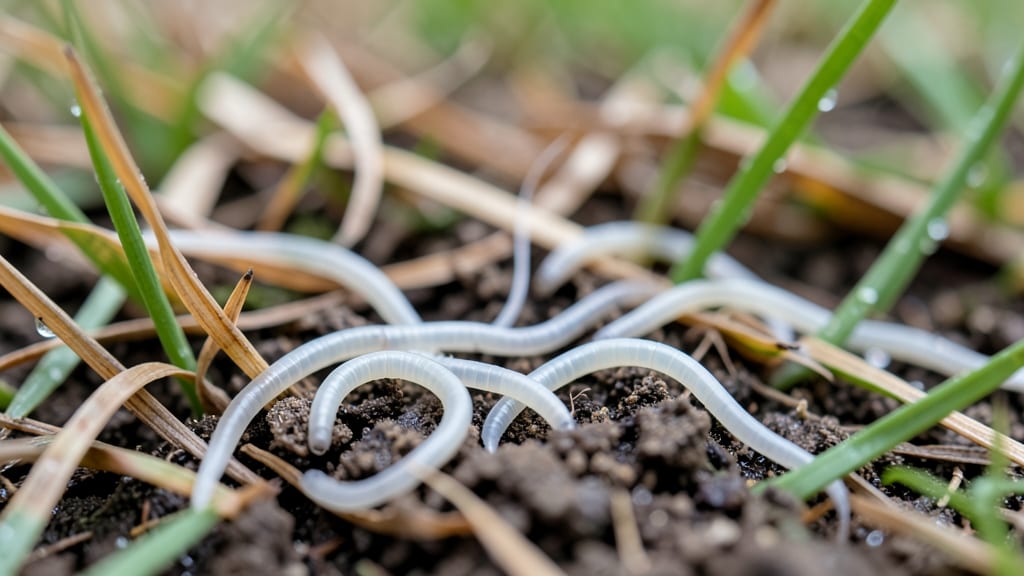
How to get rid of lawn grubs organically—without harsh chemicals? 🌱 The good news is you don’t need them—beneficial nematodes can eliminate grubs in just 48 hours without harming your lawn or the environment. I’ve used this method three seasons in a row, and my lawn now stays lush all summer long, even after grub outbreaks.
Grubs are the larvae of beetles like Japanese beetles or June bugs, and they thrive in moist, shaded soil during warm months. The key to organic control is timing: apply nematodes in late afternoon or evening when the soil is warm but not scorching, and water them in lightly.
They seek out grubs, infect them, and kill them within two days—no digging or sprays required.
You’ll notice improvement within a week as the grubs disappear and new grass roots establish. The lawn recovers faster, stays greener, and you avoid the chemical residue that can harm pets and kids. Plus, this method supports long-term soil health by encouraging beneficial microbes.
Works best in late spring through early summer, but if grubs strike later, repeat the treatment in early fall. For severe infestations, combine nematodes with milky spore or neem oil for extra protection. Here’s how to do it step by step!
Root Causes Of Grub Infestations
Understanding why your lawn becomes a grub buffet is the first step to stopping the cycle. These tiny, C-shaped larvae don’t just appear out of nowhere—they’re the result of specific conditions that turn your yard into an all-you-can-eat buffet for beetles and their offspring.
Let’s break down the science behind the invasion.
Grubs are the larvae of beetles like Japanese beetles, June bugs, or European chafer beetles. When adult beetles swarm your lawn in late spring or summer (often after rain or at dusk), they’re not just pollinating flowers—they’re dropping hundreds of eggs in the soil.
A single female beetle can lay 40–60 eggs in just a few days, and if she finds your lawn lush and undisturbed, she’ll treat it like a five-star hotel.
Why it happens:
- Lush, healthy grass attracts beetles because it signals moisture and nutrients—perfect for egg-laying.
- Warm soil temperatures (60–90°F) trigger beetle activity, making late spring/early summer prime time for infestations.
- Lack of natural predators (like birds or parasitic nematodes) means more eggs survive to hatch into grubs.
Pro tip: 🔍 If you see chewed leaves or flying beetles at dusk, that’s your warning sign—adults are already laying eggs!
Grubs thrive in soil that’s moist, rich in organic matter, and easy to tunnel through.
If your lawn has: - Compacted or clay-heavy soil, grubs can’t escape predators and become easier targets for birds or nematodes—but they also stress the grass roots, making the lawn more vulnerable to damage. - Excessive thatch (a thick layer of dead grass and roots), grubs hide in the upper soil layers where moisture and food are plentiful. - Over-fertilization, especially with high-nitrogen fertilizers, triggers rapid grass growth—which beetles love because it means more eggs can hatch successfully.
The science: Grubs feed on grass roots and organic debris, and if the soil is already nutrient-dense, they grow faster and reproduce more. A single grub can double in size in just 10 days under ideal conditions.
Pro tip: 🌡️ Test your soil’s moisture and pH—grubs prefer slightly acidic (6.0–7.0 pH) and consistently damp soil.
Grubs are weather-dependent.
Too much rain or drought can both contribute to infestations: - Excessive rain keeps the soil moist, giving grubs plenty of water and protection from drying out. - Drought followed by sudden rain stresses grass roots, making them easier for grubs to consume, while the moisture helps eggs hatch. - Hot, humid summers speed up the beetle breeding cycle, leading to multiple generations per year in some regions.
Regional hotspots:
- Northeast & Midwest (USA): Japanese beetle grubs peak in July–August.
- Southern states: European chafer grubs thrive in spring and fall.
- Pacific Northwest: June bug grubs are most active in late summer.
Pro tip: 📅 Keep a lawn calendar—if your area has had unusually wet springs or hot summers, brace for grub season!
Sometimes, the way we maintain our lawns accidentally creates grub-friendly conditions:
- Overwatering keeps soil too moist, encouraging egg survival.
- Using slow-release fertilizers provides a steady food source for grubs as they grow.
- Avoiding aeration or dethatching leaves soil compacted, making it harder for grubs to be eaten by predators (like birds) but easier for them to hide.
- Planting grub-loving grasses (like Kentucky bluegrass or tall fescue) without balancing them with grub-resistant options (like zoysia or buffalo grass).
The irony? Healthy lawns attract beetles, but over-manicured lawns (with no dandelions, clover, or wildflowers) remove natural predators that would otherwise keep grub populations in check.
Pro tip: 🌿 Leave some "wild" patches in your lawn—dandelions and clover attract beneficial insects that prey on grubs!
Grubs don’t just appear—they multiply exponentially if left unchecked. Here’s how their life cycle works:
- Egg stage (1–2 weeks): Beetles lay eggs in the top 2 inches of soil.
- Larva (grub) stage (4–6 weeks): Grubs hatch and feed voraciously on roots.
- Pupa stage (2–4 weeks): Grubs burrow deeper, pupate, and emerge as adult beetles.
- Adult beetle stage (summer/fall): They fly off to feed on leaves and start the cycle again.
Why it’s a nightmare:
- One generation can become 10 if conditions are right.
- Grubs overwinter in the soil, meaning next year’s infestation starts earlier.
Pro tip: ⏳ Act fast—if you see wilting patches or spongy grass (a sign of root damage), grubs are already eating your lawn from the inside out.
Chemical pesticides kill grubs but also harm beneficial insects, soil microbes, and pets.
Organic methods target the root causes (literally and figuratively) by: - Disrupting the life cycle (nematodes attack grubs directly). - Improving soil health (mycorrhizal fungi strengthen roots, making them less appealing to grubs). - Encouraging natural predators (birds, toads, and parasitic wasps thrive in diverse lawns).
The takeaway: Grubs don’t just happen—they’re a chain reaction of beetle activity, soil conditions, and lawn care habits. The good news? Breaking the cycle is possible with the right organic strategies.
Natural Ways to Eliminate Lawn Grubs
Grubs wreaking havoc on your lawn? Don’t reach for harsh chemicals—there are effective, organic solutions to banish them for good. Below, we’ll match the most common causes of grub infestations with practical, eco-friendly fixes, plus prevention tips to keep your grass thriving.
Grubs thrive in soggy, compacted soil where roots can’t breathe. Loosen the soil and improve drainage to starve them out naturally.
How to do it:
- Aerate your lawn 🔥 – Rent a core aerator or use a manual spike aerator to create holes (2–3 inches deep).
- Top-dress with compost 🍳 – Spread a thin layer (¼ inch) of compost or sand over the aerated areas to improve soil structure.
- Adjust watering habits 💧 – Water deeply 2–3 times per week (early morning) instead of daily light sprinkles. Let the top inch of soil dry between waterings.
Prevention tip: 💡 Test your soil’s drainage—dig a small hole, fill it with water, and time how long it takes to drain. If it sits for more than 6 hours, you’ve got a drainage issue.
Healthy grass outcompetes grubs. Introduce natural predators and boost your lawn’s resilience with these steps:
How to do it:
- Apply beneficial nematodes 👨🍳 – Use heterorhabditis bacteriophora nematodes (like those in NemaSeek or GrubGone). Follow package instructions for watering and application timing (evening is best).
- Add milky spore powder 🥘 – For long-term grub control, sprinkle Bacillus popilliae (milky spore) on the lawn in early summer. It takes 2–3 years to fully colonize but provides decades of protection.
- Overseed with tough grass types ⏰ – Plant tall fescue, Kentucky bluegrass, or perennial ryegrass, which recover faster from grub damage.
Prevention tip: ✨ Mow high (3–4 inches)—taller grass shades out weeds and crowds out grub-friendly environments.
Grubs love stressed lawns. Feed your soil to make it less inviting and more hospitable to beneficial organisms.
How to do it:
- Spread compost tea or worm castings 🌱 – Brew compost tea (1 part compost to 5 parts water, steep for 24–48 hours) and spray on the lawn. Worm castings add microbes that outcompete grubs.
- Use neem oil or diatomaceous earth 🔪 – Neem oil (spray in the evening) disrupts grub feeding, while food-grade diatomaceous earth (sprinkled lightly) dehydrates them. Reapply after rain.
- Plant grub-repelling ground covers 🌿 – Add clover, creeping thyme, or white Dutch clover to your lawn mix—they deter grubs naturally.
Prevention tip: 🌡️ Avoid synthetic fertilizers—they encourage soft, sugary grass that grubs adore. Stick to slow-release organic fertilizers like fish emulsion or bone meal.
If you spot skunks, raccoons, or birds digging up grubs, redirect their attention with alternative food sources.
How to do it:
- Set out a "grub buffet" 🍗 – Place a shallow tray of mealworms, dog food, or overripe fruit 20+ feet from your lawn. Check daily and refresh.
- Install motion-activated sprinklers 💦 – These startle digging animals without harming them.
- Block access points 🚧 – Install chicken wire or hardware cloth around garden beds if critters are tunneling.
Prevention tip: 🎯 Keep grass tall (3+ inches)—it makes it harder for animals to dig and exposes fewer grubs.
| Season | Action | Why It Works |
|---|---|---|
| Spring | Aerate + overseed | Kickstarts healthy growth before grubs hatch |
| Early Summer | Apply nematodes or milky spore | Targets young grubs before they mature |
| Fall | Top-dress with compost | Strengthens roots for winter resilience |
| Winter | Leave grass clippings (if organic) | Adds nutrients and deters overwintering grubs |
Final Pro Tip: 🔥 Monitor with a simple test—dig up a 6-inch square of sod. If you find 5+ grubs, it’s time to act. Fewer than 5? Focus on prevention to keep them in check.
With these organic, targeted solutions, you’ll eliminate grubs without toxic chemicals—and enjoy a lush, resilient lawn in no time!
Frequently asked questions
How do I know if my lawn has grubs and not just drought stress?
Look for these signs: spongy grass that pulls up easily, wilted patches even when watered, or birds/skunks digging in your yard. Dig up a small sod section—if you see white, C-shaped larvae (grubs) near the roots, that confirms the problem. Drought stress usually shows brown, crispy blades, while grub damage leaves healthy-looking tops with no roots.
Can I use coffee grounds to repel grubs organically?
Coffee grounds can help short-term by making soil slightly acidic (grubs prefer neutral pH), but they’re not a reliable grub killer. For better results, mix used coffee grounds with diatomaceous earth (sprinkle lightly) or use them as a mulch layer to deter beetles. The caffeine in grounds may also stress grubs slightly, but nematodes or milky spore work far more effectively.
Will nematodes work if my lawn is already heavily damaged?
Nematodes can still help, but you’ll need to repair the lawn first. Start by aerating + overseeding damaged areas, then apply nematodes to kill remaining grubs. For severe cases, combine with compost top-dressing to rebuild soil health. Expect 2–4 weeks for full recovery—nematodes work best when grass roots are already established to support regrowth.
How often should I reapply nematodes for grub control?
Reapply nematodes every 4–6 weeks during grub season (late spring–early summer) for active infestations. For prevention, once per season (early summer) is enough. Always apply in the evening with moist soil (water lightly before/after). Store unused nematodes in the fridge—they’re living organisms and die if exposed to heat or dryness.
Are there any organic fertilizers that actually repel grubs?
Yes! Fish emulsion or bone meal (high in phosphorus) strengthen grass roots, making them less appealing to grubs. Avoid high-nitrogen fertilizers (like blood meal), which encourage soft, sugary growth that grubs love. For extra protection, mix in mycorrhizal fungi—these beneficial microbes outcompete grubs for nutrients while boosting root health.