
Lawn
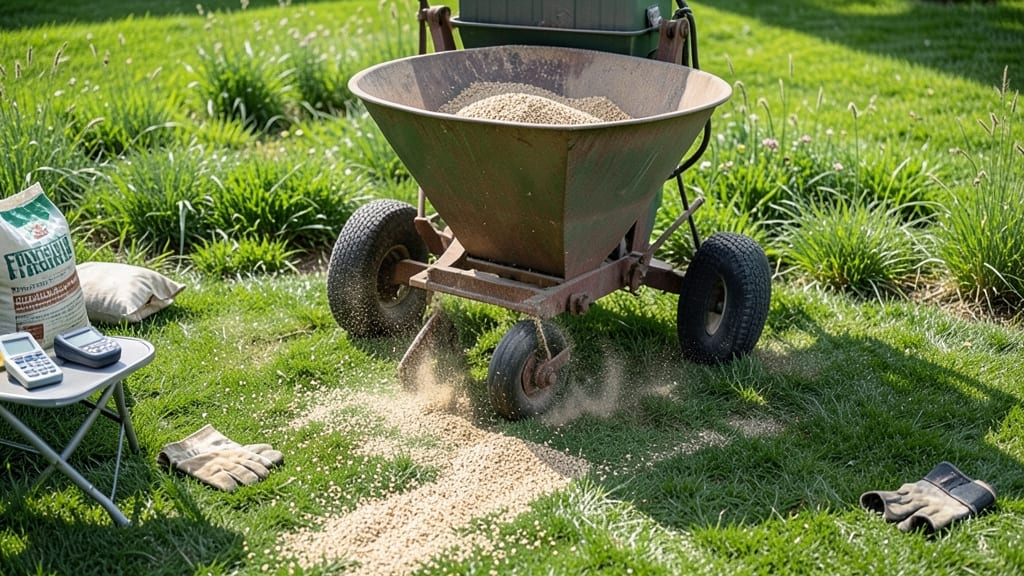
To fertilize the lawn at the right time means the difference between a vibrant green carpet and a patchy, struggling yard.
You’ve probably spread fertilizer only to see it wash away in a rainstorm or watch your grass turn brown instead of lush. The key?
Timing it with your grass’s natural growth cycles—not just once a year, but strategically in early spring and fall for cool-season grasses, or late spring and summer for warm-season types.
In this guide, I’ll break down the exact seasonal schedule for your grass type, including when to skip fertilization entirely (yes, there’s a time for that) and how to avoid common mistakes that waste money and damage your lawn.
By the end, you’ll know not just when to fertilize, but how much, what type, and even how to read your grass’s signals to adjust on the fly. Let’s get started.
Best fertilization timing by grass type: cool-season vs warm-season schedules
Understanding your grass type is the first step to perfect fertilization timing. Cool-season grasses like Kentucky bluegrass and fescue thrive in spring and fall, while warm-season grasses such as Bermuda and Zoysia peak in late spring and summer.
Applying fertilizer at the wrong time can burn roots or waste nutrients—so let’s dive into the science behind these schedules.
For cool-season grasses, the ideal fertilization window is early spring (March-April) and early fall (August-September). This aligns with their active growth phases when soil temperatures are 50–65°F. Warm-season grasses, however, need fertilizer when soil temps hit 65–75°F, typically late spring through early summer (May-July).
| Grass Type | Best Fertilization Time | Key Seasonal Cues | Soil Temp Range (°F) |
|---|---|---|---|
| Cool-Season (Kentucky Bluegrass, Fescue) | Early Spring (March-April), Early Fall (August-September) | Grass greening up, soil thawing, 50–65°F | 50–65°F |
| Warm-Season (Bermuda, Zoysia) | Late Spring (May-June), Early Summer (July) | Grass turning green, soil warming, 65–75°F | 65–75°F |
| Both Types | Avoid Winter (December-February) | Grass dormant, soil temps below 50°F | Below 50°F |
Timing matters because root development and nutrient absorption are directly tied to temperature and growth cycles. For example, cool-season grasses store nutrients in fall to fuel spring growth, while warm-season grasses rely on summer heat to activate their metabolic processes.
Fertilizing outside these windows can lead to burnt grass or uneven growth.
If you live in USDA Zone 6a (like many northern regions), aim to fertilize Kentucky bluegrass in late April and again in mid-September. For Bermuda grass in Zone 8b, focus on late May and early July.
Always check soil temps with a soil thermometer—this small tool prevents costly mistakes.
For cool-season grasses, a high-nitrogen fertilizer (like 30-0-4) in spring promotes leafy growth, while a balanced formula (like 10-10-10) in fall strengthens root systems. Warm-season grasses, however, need phosphorus and potassium in summer to withstand heat stress—look for a 5-10-10 blend.
One common mistake is fertilizing warm-season grasses in spring when soil is still cool. This can delay greening and waste fertilizer. Instead, wait until soil temps hit 65°F—usually late May in most regions. For cool-season grasses, avoid fertilizing in late summer when heat stress peaks.
Pro tip: Use a slow-release fertilizer in fall for cool-season grasses—it feeds roots gradually over winter, giving you a head start in spring. For warm-season grasses, a quick-release option in summer ensures immediate color boosts during peak use months.
Finally, always water deeply after fertilizing (about 1–1.5 inches) to help nutrients reach roots. Early morning applications prevent evaporation loss and fungal growth. With this schedule, your lawn will stay lush, green, and resilient year-round.
Seasonal fertilizer application guide: what to do in spring, summer, fall, and winter
Timing your lawn fertilizer applications is just as important as choosing the right product. Apply fertilizer at the wrong time, and you’ll risk burning your grass or wasting nutrients. The key is understanding how your grass type and climate zone influence the best schedule.
Most lawns thrive with 4 key feedings per year, but the timing shifts dramatically between seasons.
For example, cool-season grasses like Kentucky bluegrass and fescue need their first feeding in early spring when soil temperatures rise above 50°F. Meanwhile, warm-season grasses like Bermuda and Zoysia should wait until late spring when temperatures consistently stay above 65°F. Let’s break down the seasonal schedule to keep your lawn lush year-round.
- 1. Early Spring (March-April): First feeding for cool-season grasses to kickstart growth after dormancy. Use a high-nitrogen fertilizer (30-0-4 ratio).
- 2. Late Spring (May-June): Second feeding for cool-season grasses or first feeding for warm-season grasses. Apply pre-emergent herbicide after this feeding to prevent weeds.
- 3. Summer (July-August): Light feeding (every 6-8 weeks) for warm-season grasses to maintain color. Avoid high-nitrogen fertilizers in extreme heat to prevent burn damage.
- 4. Early Fall (September-October): Final feeding for cool-season grasses 6-8 weeks before first frost. Use a slow-release fertilizer to strengthen roots for winter.
- 5. Winter (November-February): No fertilization during dormancy. Grass doesn’t absorb nutrients in cold weather, wasting money and risking runoff.
Your USDA Hardiness Zone also plays a role in adjusting this schedule. For example, lawns in Zone 8 or warmer may need a fifth feeding in late fall to support year-round growth.
Always check your local last frost date—this is your cue to start spring feedings. In Zone 6a, aim for early April, while Zone 5 gardeners should wait until late April.
Pro tip: Pair your fertilizer applications with soil testing every 2-3 years. This helps you adjust NPK ratios (nitrogen, phosphorus, potassium) based on what your lawn truly needs.
For instance, if your soil test shows high phosphorus, skip fertilizers with a high middle number (like 10-10-10) and opt for a low-phosphorus blend (e.g., 30-0-4).
Finally, remember that slow-release fertilizers are your best friend for busy gardeners. These granules release nutrients over 6-12 weeks, reducing the need for frequent applications. Just be sure to water your lawn deeply after fertilizing to activate the granules and prevent fertilizer burn.
A light rain or ½ inch of water within 24 hours works perfectly.
By following this seasonal guide, you’ll give your lawn the nutrient boosts it craves when it needs them most—without overdoing it. Happy gardening!