
Lawn
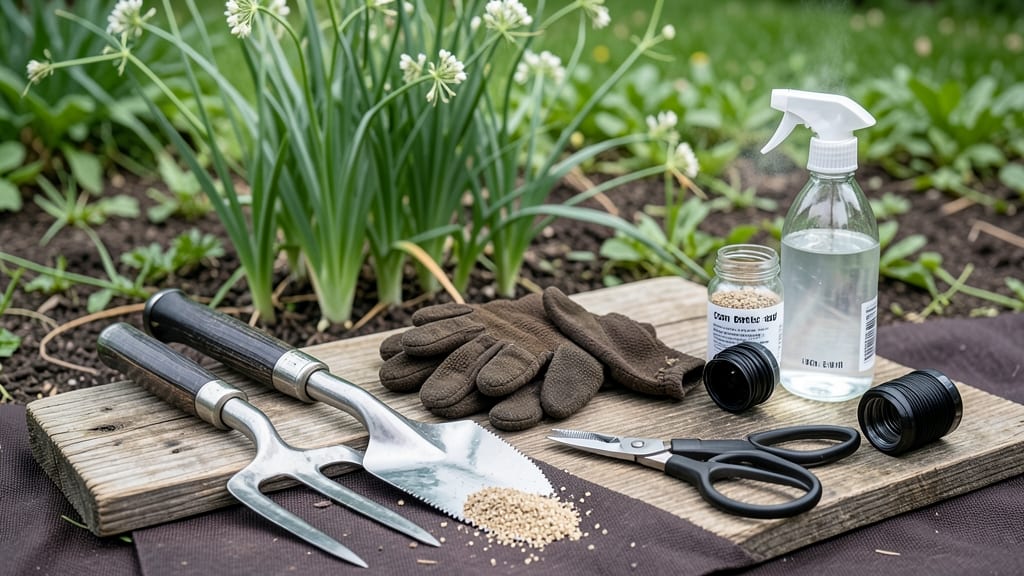
Onion grass sneaks into lawns like an unwelcome guest—until you learn the pull-and-burn method that eradicates it for good. 🌱 I’ve wrestled with this persistent weed for years, and the key lies in timing, technique, and a little elbow grease. What looks like grass but smells like onions when crushed?
That’s your enemy, and it’s weaker than you think. The secret weapon is pulling entire roots in early spring or fall when soil is moist but not soggy. A garden fork or weeding tool helps dislodge stubborn clumps, and burning the debris prevents regrowth. No herbicides needed—just patience and persistence.
One season of diligent removal can transform a patchy lawn into a lush, weed-free carpet. You’ll know you’ve won when your lawn stays green and uniform, free of those telltale onion-scented shoots. The method works best in cooler months when weeds are actively growing but haven’t yet spread seeds.
For larger infestations, repeat treatments over 2-3 years ensure no stragglers remain. Prevention is simpler than you’d expect: overseed bare spots, maintain healthy grass, and inspect new plants for hidden onion grass before they take root.
Your lawn will thank you—and so will your neighbors who’ve suffered through the same battle.
📚 In This Guide
- What you need
- Instructions
- Tips and common mistakes
- Wrapping up and next steps
What you need
- ● Gloves – Heavy-duty gardening gloves (waterproof, long-cuffed) to protect your hands from sap and sharp edges. Recommended: 1 pair (e.g., blank">Fellowes Garden Gloves).
- ● Hand Trowel or Weeding Tool – A sturdy, narrow-bladed tool (3–6 inches long) for digging out roots. Recommended: 1–2 tools (e.g., blank">Fiskars Ergo Weeder).
- ○ Garden Fork – A long-handled fork (12–18 inches) for stubborn roots in compacted soil. Optional but helpful: 1 fork.
- ● Pruners or Shears – Sharp, bypass-pruning shears to trim thick stems. Recommended: 1 pair (e.g., Felco F-2).
- ● Plastic Bags or Bucket – For collecting pulled weeds (1–2 large bags or a 5-gallon bucket).
- ● Rake – A stiff-bristled lawn rake (8–12 inches wide) to loosen soil and remove debris. Recommended: 1 rake.
- ○ Hose with Nozzle – For wetting the soil before pulling (optional but makes extraction easier).
- ● Vinegar Solution – 1 gallon white vinegar (20–30% acetic acid) + 1 cup dish soap (for spot treatment on regrowth).
- ● Mulch or Landscape Fabric – To smother remaining patches after pulling (e.g., cardboard + mulch).
- ● Pre-Emergent Herbicide – For prevention (e.g., corn gluten meal; apply in early spring).
- ● Knee Pads or Stool – If you’ll be working on hands and knees for long periods.
- ● Check the weather: Do this on a dry, sunny day (avoid pulling when soil is soggy).
- ● Wear closed-toe shoes and long pants to avoid sap irritation.
- ● Work during cooler hours (morning or late afternoon) to avoid heat exhaustion.
Step-by-Step instructions for removing onion grass from your lawn
Here's the foolproof method I use to eliminate onion grass without harming your grass.
🌱 Step 1: Identify and Mark Onion Grass Clumps
Onion grass (also called wild onion or wild garlic) has long, flat leaves with a hollow stem and a distinctive onion-like odor when crushed. Walk your lawn in the morning when dew is present—the moisture makes the plants easier to spot. You'll notice clumps of 2-4 inch wide leaves growing in tight groups, often in sunny patches.
Use a whiteboard or spray paint to mark each clump with an "X" so you don’t miss any. I like to work in sections of 10x10 feet at a time to stay organized. The key is removing the entire root system—even small pieces will regrow. If you see any bulb-like structures at the base, that’s your target.
✂️ Step 2: Pull by Hand at the Right Time
The best time to pull onion grass is after a light rain or when the soil is soft and moist—typically in early spring or fall. Grab the base of the plant with both hands and twist firmly while pulling upward. You’ll feel resistance as you break the root. For stubborn clumps, use a hand trowel to loosen the soil around the edges first.
Don’t worry about gloves—the smell will fade quickly, and your hands will get used to it. Work systematically, pulling in one direction to avoid missing any roots. If you see any remaining root fragments, dig them out immediately. Even a 1-inch piece left behind can sprout into a new plant.
🔥 Step 3: Burn or Dispose of Pulls Properly
Onion grass spreads aggressively through seeds and bulb fragments, so proper disposal is critical. Place all pulled plants in a sealed plastic bag or container, then burn them in a fire pit or outdoor burner. If burning isn’t an option, double-bag the plants and dispose of them in the trash—never compost, as the seeds and roots can survive.
I like to burn the plants immediately after pulling to kill any remaining seeds or bulblets. If you’re working in a large area, take breaks to burn small batches. Avoid leaving piles of onion grass on your lawn or in the yard—this is how it spreads.
🌿 Step 4: Prevent Regrowth with Vinegar or Mulch
After removing all visible onion grass, treat the area with a 5% acetic acid vinegar solution (1 part white vinegar to 1 part water) to kill any remaining roots or seeds. Spray the solution directly on the soil where the plants were growing, avoiding nearby grass. The vinegar will dry out the soil and prevent new growth for several weeks.
For a longer-term solution, apply a 2-3 inch layer of mulch (like wood chips or straw) to the treated area. This blocks sunlight and prevents new onion grass seeds from germinating. Reapply mulch as needed, especially in spring and fall when onion grass is most likely to sprout.
☀️ Step 5: Monitor and Retreat as Needed
Check the treated areas every 2-3 weeks for new onion grass growth. Early detection is key—pull any new shoots immediately before they establish roots. Over time, you’ll see fewer and fewer clumps as you break the plant’s life cycle.
For persistent infestations, repeat the vinegar treatment every 4-6 weeks during the growing season. Healthy lawns with thick grass growth naturally suppress onion grass, so focus on improving your turf’s density. Water deeply and fertilize appropriately to crowd out weeds.
Tips & tricks for perfect onion grass removal
Real talk: Onion grass is stubborn, but these tricks make the job easier—and more effective—than the basic steps alone.
Timing is Everything: The instructions mention pulling in spring or fall, but here's what nobody tells you—morning is the absolute best time. Dew softens the soil, making roots easier to break, and the plants are fully hydrated, so they pull out cleaner. If you're working in dry conditions, water the area lightly the night before to mimic this natural softening effect.
The Twist Technique: When pulling in Step 2, don't just yank—twist while pulling upward. This breaks the root bulb cleanly at the base. For really stubborn clumps, try this: insert a hand trowel at a 45-degree angle around the edges first, then twist the whole clump out like you're unscrewing a jar lid. This prevents those pesky root fragments that cause regrowth.
Vinegar Application Strategy: The 5% acetic acid solution in Step 4 works best when applied directly to the soil where roots were growing, but here's the pro move: Add a drop of dish soap to the mix. This helps the vinegar cling to the soil and penetrates better. Spray on a calm day so the solution doesn't evaporate before it works its magic. Reapply after heavy rains to maintain effectiveness.
Monitoring Made Easy: Checking every 2-3 weeks can feel tedious, but I've got a shortcut: Set a recurring reminder on your phone for the same day each month. Pair this with a quick visual scan while you're already outside—maybe while watering or checking your garden. The key is consistency; onion grass won't give you a break if you don't stay vigilant.
Pro Tips for Get Rid Of Onion Grass In Lawn
- Real talk: Onion grass is stubborn, but these tricks make the job easier—and more effective—than the basic steps alone.
- Timing is Everything: The instructions mention pulling in spring or fall, but here's what nobody tells you—morning is the absolute best time.
- The Twist Technique: When pulling in Step 2, don't just yank—twist while pulling upward.
Frequently asked questions
What’s the best time of year to remove onion grass?
Target onion grass in early spring or fall when the soil is moist and weeds are actively growing. Avoid summer heat, which stresses your lawn and makes removal harder. For best results, pull it before it seeds (typically late spring to early summer).
Will vinegar or boiling water kill onion grass?
Yes! Both are effective natural herbicides for onion grass. Mix 1 gallon of white vinegar (20-30% acetic acid) with 1 cup of salt and 1 tbsp dish soap, spray directly on the weeds, and cover with plastic for 24 hours. For boiling water, pour it directly onto the base—just avoid nearby grass. Test a small area first!
How do I prevent onion grass from coming back?
Prevention starts with healthy turf. Mow high (3–4 inches), water deeply but infrequently, and fertilize regularly. Fill bare spots with dense grass seed (like Kentucky bluegrass or fescue) to outcompete weeds. Apply pre-emergent herbicide in early spring to stop new sprouts.
What if onion grass keeps growing back after I pull it?
Persistent onion grass often means roots or bulbils (tiny bulbs) remain in the soil. Dig deeper (4–6 inches) to remove hidden fragments. For stubborn patches, try a corn gluten meal pre-emergent (apply in late winter) or a selective herbicide labeled for lawn weeds. Patience is key—it may take 2–3 seasons!
Can I use a weed killer safe for pets and kids?
Yes, but choose pet-safe herbicides like vinegar-based sprays or corn gluten meal. Avoid synthetic chemicals like glyphosate, which can harm animals. Always follow label instructions and keep pets off treated areas for 24–48 hours. For extra safety, opt for manual removal with gloves and dispose of weeds properly.
What should I NOT do when removing onion grass?
Don’t:
- Use post-emergent herbicides on wet grass—they can burn your lawn.
- Leave pulled weeds on the lawn—they’ll resprout or spread seeds.
- Skip soil testing—low nitrogen or compacted soil encourages weeds.
- Ignore the roots—even small pieces can regrow!
Wrapping up and next steps
Getting rid of onion grass doesn’t have to be a battle—with the right approach, you can reclaim your lawn and enjoy a lush, weed-free space! 🌱 The pull-and-burn method is a straightforward, eco-friendly way to tackle this stubborn weed, and consistency is your best ally.
Start small, stay patient, and soon, your lawn will be the envy of the neighborhood.
Ready to take action? Grab your tools, roll up your sleeves, and begin treating those patches today! Your future lawn—and your sanity—will thank you.