
Lawn
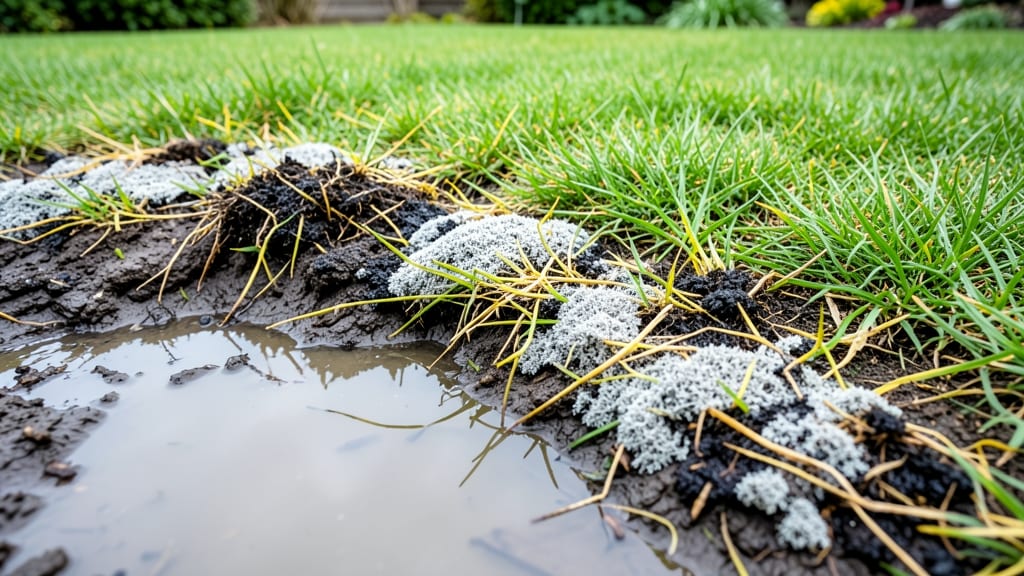
Your lawn looks like a swamp when it's overwatered—soggy patches, mushrooms sprouting overnight, and grass turning yellow despite all that water. 🌱 I've seen this happen after three days of rain or when a sprinkler runs 24/7, and the damage isn't just cosmetic; it invites pests and chokes your grass roots.
The telltale signs are unmistakable: grass blades feel spongy when you walk on them, water pools for hours after rain, and those dreaded mushrooms pop up like weeds. It's not just too much water—it's the lack of airflow and oxygen that turns your lawn into a fungal buffet.
Even experienced gardeners confuse this with drought stress or disease, but the key difference is the soggy soil that never dries.
Fixing it starts with cutting back watering to twice a week (or when 1 inch of water has evaporated) and improving drainage with sand or aeration. Within 7-10 days, you'll see the mushrooms disappear and grass regain its color.
The real test? Press your foot down—if water squishes up, you're still overdoing it.
This isn't just about saving water; it's about giving your grass the breathing room it needs. Overwatered lawns recover faster than you'd expect once you adjust, and the difference in texture and color is shocking. Let's get that lawn back to healthy, not soggy.
Root Causes of Overwatering
Overwatering isn’t just about leaving the hose running too long—it’s a sneaky mix of human habits, soil science, and even weather quirks. Understanding why it happens helps you fix the problem before your lawn turns into a swamp. Here’s the real deal:
Automatic sprinkler systems are supposed to make lawn care easier, but they’re also the #1 culprit behind overwatering. Here’s how they backfire:
- Poor Timing or Overlapping Zones: If your sprinklers run during rain or overlap, your lawn gets double (or triple!) the water it needs. Example: A system set to water every morning and evening in a humid climate can drown roots in hours.
- Broken or Misaligned Heads: A single faulty sprinkler head spraying in one spot creates soggy patches while other areas dry out. Test it: Walk your lawn after watering—if you see streams or puddles where no grass grows, that’s your culprit.
- Run Times Too Long: Many systems default to 10–15 minutes per zone, but clay soil or dense grass may only need 5–8 minutes. Pro tip: Use a rain gauge or tuna can to measure output—aim for 1 inch per week (including rain).
Not all soil is created equal—and some types are basically sponges that never let go. Here’s the science:
- Clay Soil’s Tight Grip: Clay particles pack tightly, trapping water like a wet towel. Roots suffocate because oxygen can’t reach them, leading to grayish-yellow grass and mushroom explosions (thanks to fungal growth in waterlogged conditions). - Fix it: Amend clay soil with compost or sand to improve drainage.
A soil test (available at garden centers) tells you exactly what to add. - Compacted Turf: Heavy foot traffic, pets, or machinery crushes soil, creating a hardpan layer that repels water.
Instead of draining, water pools on top. - Action step: Aerate your lawn in spring or fall to punch holes in compacted soil. Rent a core aerator or hire a pro for stubborn spots.
Mother Nature doesn’t always play by the rules. These factors turn your lawn into a bog:
- Poor Drainage Layout: If your yard slopes toward the house or has low spots, water pools instead of flowing away. Signs: Muddy footprints that last days or puddles after light rain. - Solution: Grade your lawn (slope it 1–2% away from structures) or install a French drain (a buried perforated pipe with gravel) to redirect water. - Heavy or Frequent Rain: Even the best-laid plans fail when the skies open up.
If you water on a rainy day or don’t adjust your schedule, you’re asking for trouble. - Smart move: Use a smart sprinkler controller (like Rachio) that detects rain and skips watering automatically. - Impermeable Surfaces: Driveways, patios, or dense mulch beds act like waterproof shields, forcing excess moisture into the lawn. Example: A concrete slab next to your yard can create a "bathtub effect," trapping water against the grass.
Let’s be real—sometimes, we’re the problem. Here’s how good intentions backfire:
- Watering by Guesswork: Many people water based on "what the neighbor does" or "until the grass looks shiny." But grass only needs 1–1.5 inches per week (including rain).
Overwatering daily is like giving your lawn a spa day every 24 hours—it’s exhausting! - Ignoring Grass Type: Cool-season grasses (like Kentucky bluegrass) need more water than drought-tolerant options (like buffalo grass). Check your seed mix—if you’re not sure, ask your local extension office. - Watering at the Wrong Time: Early morning (5–9 AM) is ideal because wind and heat evaporate excess moisture.
Watering at dusk or night? That’s a recipe for fungal diseases like brown patch or dollar spot.
Broken or poorly maintained tools can turn your lawn into a disaster zone:
- Clogged or Leaking Sprinkler Heads: A head spraying sideways or dripping nonstop wastes thousands of gallons yearly. Inspect monthly: Twist off heads and check for debris or cracks. - Incorrect Sprinkler Placement: Heads too close together or angled wrong create uneven watering. Rule of thumb: Sprinklers should overlap by 10–15% for full coverage. - Pressure Issues: Low water pressure = weak streams that evaporate before reaching the roots.
High pressure = overspray onto sidewalks (wasted water!). Fix: Adjust your system’s pressure regulator or clean clogged pipes.
Fixing an Overwatered Lawn
Overwatering can turn your lush lawn into a soggy mess, but the good news is that you can reverse the damage with the right steps.
Below, we’ll map out practical solutions based on the root cause of your lawn’s woes—whether it’s excess moisture, poor drainage, or fungal growth—plus tips to keep your grass healthy long-term.
If your lawn is already waterlogged, the first rule is halt further watering until the soil dries out. Overwatering creates anaerobic conditions (lack of oxygen), which suffocates roots and invites pests. Here’s how to do it right:
- 🚰 Turn off automatic sprinklers (if applicable) and avoid manual watering for at least 3–5 days.
- 🌧️ Check the forecast: If rain is in the forecast, skip watering entirely.
- 💡 Pro Tip: Use a soil moisture meter (or the "squeeze test"—grab a handful of soil; if water drips out, it’s too wet).
Poor drainage is often the real culprit behind overwatered lawns. Fix it with these DIY-friendly solutions:
🔪 For Compacted or Low-Lying Areas
- Aerate your lawn (rent a core aerator or hire a pro).
This creates holes for water to escape. - Add organic matter: Mix in compost or peat moss (1–2 inches) to improve soil structure. - 💡 Pro Tip: Aerate in spring or fall when grass is actively growing for best results.
🏗️ For Sloped or Flat Lawns
- Reseed bare spots with drought-tolerant grass (like tall fescue or Bermuda) to reduce water needs.
- Install French drains (for severe cases) or redirect water with swales (shallow trenches).
- 🌡️ Test your soil’s pH: Overwatering can wash away nutrients—use a soil test kit to check levels.
If mushrooms, slime mold, or brown patches appear, your lawn may have fungal infections from excess moisture. Here’s how to tackle them:
🍄 For Mushrooms & Slime Mold
- Remove debris: Pick up mushrooms (don’t pull them—they’ll regrow) and rake away slime mold.
- Improve airflow: Thin out dense grass with a lawn mower (set blades high) or overseed.
- Apply fungicide (if needed): Use a copper-based or organic fungicide for stubborn cases.
🟡 For Brown/Yellow Patches (Dollar Spot, Pythium)
- Water in the morning (never at night) to let foliage dry quickly.
- Reduce nitrogen fertilizer (too much feeds fungi)—switch to a slow-release, balanced formula.
- 🎯 Spot-treat with a fungicide for lawn diseases (follow label instructions).
Prevention is key! Once your lawn recovers, rewrite your watering habits to avoid future sogginess:
| Mistake | Fix |
|---|---|
| Watering daily | 2–3 times per week (deep and infrequent—1–1.5 inches total). |
| Light, frequent sprinkling | Slow, deep watering (early morning, 6–10 AM). |
| Ignoring soil type | Test soil (sandy drains fast; clay holds moisture longer). |
| Overwatering new sod | Water lightly 2x/day for 2 weeks, then taper off. |
- 💡 Pro Tip: Use a smart sprinkler controller to automate deep watering cycles.
- Mulch grass clippings (they return nutrients to the soil).
- Leave grass taller (3–4 inches) to shade roots and retain moisture.
- Dethatch if a thick layer blocks water absorption.
By addressing drainage, watering habits, and fungal issues, your lawn will bounce back—and stay healthy. No more soggy spots, just a vibrant green carpet! 🌱💚
Frequently asked questions
How can I tell if my lawn is overwatered vs. underwatered?
Overwatered grass feels spongy when you walk on it and often has a grayish-yellow tint from root suffocation. Underwatered grass turns brown at the tips and feels dry/crunchy. The key difference? Overwatered lawns stay soggy for hours after rain, while underwatered ones pull away easily when tugged.
Why do mushrooms keep growing after I stop watering?
Mushrooms grow from fungal spores that thrive in damp, oxygen-poor soil—even after you stop watering, buried spores can keep producing mushrooms for 2-4 weeks. Remove them by picking (not pulling) and improve drainage by aerating or adding compost to dry out the soil faster.
Can overwatering kill my grass permanently?
Not always! Grass can recover if roots aren't completely rotted. Stop watering immediately, aerate compacted soil, and let it dry out for 5-7 days. If grass stays mushy or develops black spots, you may need to reseed. The good news? Most lawns bounce back within 2-3 weeks with proper care.
Will my sprinkler system automatically fix itself after I adjust watering?
No—sprinkler systems need manual recalibration. Check for leaking heads or overlapping zones that create soggy patches. Use a tuna can to measure output: if it collects more than 1 inch per week, your system needs shorter run times or better spacing between heads.
How long does it take to see improvement after fixing overwatering?
Visible changes appear in 3-5 days (less puddling, firmer footing), but full recovery takes 2-4 weeks. Fungal growth (like mushrooms) may linger for up to a month as spores decompose. Monitor soil moisture—if it stays damp, you may need to aerate or adjust your sprinkler schedule again.