
Lawn
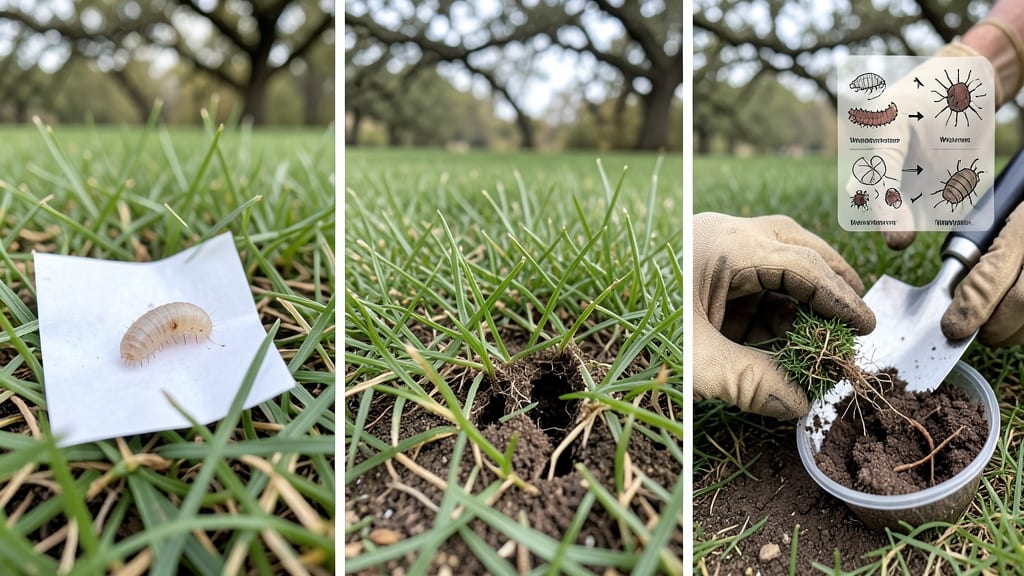
What causes small holes in the lawn isn’t just an eyesore—it’s a sign of an underground battle between pests and your grass. 🌱 I’ve spent too many weekends patching mysterious craters, only to find out it wasn’t moles, but something far sneakier like grubs or chafers hiding beneath. The key to fixing it fast starts with figuring out who made them—and that’s where most people get stuck.
Grubs leave behind patchy, spongy turf that pulls up easily, while mole tunnels look like raised, winding ridges. Chafers create tiny, shallow holes with chewed grass blades, and voles leave irregular, jagged edges.
The time of day matters too: grubs are most active in warm evenings, while moles dig anytime. Grab a flashlight and a shovel—you’ll spot clues in minutes that save hours of guesswork later.
Once you know the culprit, the fix is straightforward. For grubs, encourage natural predators like birds or apply milky spore bacteria. Moles? Castor oil-based repellents work fast, and chafers respond to neem oil sprays.
The best part? Preventing future holes is easier than you think—just aerate in fall and keep your lawn thick. I’ve gone from patching holes weekly to barely noticing them after trying these tricks.
No more guessing games. In just a few steps, you’ll turn those unsightly craters into a healthy, hole-free lawn. The secret’s in the details—and I’ll walk you through every one so you can spot the problem before it spreads.
Hidden Culprits Behind Lawn Pockmarks
Small holes in your lawn aren’t just an eyesore—they’re a sign of unseen activity beneath the surface. Understanding the root causes (literally!) helps you take targeted action before your grass turns into a Swiss cheese buffet. Here’s what’s really digging up your yard:
Grubs—larvae of beetles like Japanese beetles or June bugs—are the most common culprits behind small, scattered holes. Here’s how they do it:
- Life Cycle Attack: Female beetles lay eggs in soil during summer. When eggs hatch (6–10 days later), grubs feed on grass roots, weakening the turf. Birds, skunks, or raccoons then dig up patches to snack on them, leaving behind irregular holes.
- Seasonal Timing: Peak damage occurs in late summer to fall when grubs are most active. Look for chewed, yellowing grass paired with holes—this is your red flag.
- Grub vs. Hole Size:
Grub Stage Hole Size Other Clues Young (1/8") Penny-sized Soft soil, no tunnels Mature (1") Golf-ball sized Visible white grubs in soil
💡 Pro Tip: Dig up a 6"x6" patch—if you find 5+ grubs per square foot, it’s time to treat with beneficial nematodes or insecticides like imidacloprid.
Moles create complex tunnel systems underground, but the holes you see are just the tip of the iceberg. Here’s their modus operandi:
- Dirt Volcanoes: Moles push soil up through push-up tunnels (shallow, near-surface) or chute tunnels (deeper, for food storage). The holes collapse, leaving volcano-shaped mounds (1–3" wide).
- No Nests Nearby: Unlike voles, moles don’t build nests in lawns—they tunnel 12–18" deep and surface randomly. Their holes are uniform in size and often appear in straight lines.
- Grass Damage: Moles don’t eat grass, but their tunnels strangle roots, causing brown patches that lift easily when stepped on.
🔥 Warning: Moles rarely cause holes alone—they’re usually a sign of a grub buffet below. If you see both grubs and molehills, treat for grubs first!
White grubs from chafer beetles (like European or Japanese chafers) are more aggressive than their beetle counterparts. Their damage follows this pattern:
- Explosive Hatching: Chafers lay 100+ eggs per female in late summer. Larvae emerge in 3–5 days and devour roots 24/7 for 6–8 weeks. Birds dig up patches, leaving large, irregular holes (often near sidewalks or driveways).
- Tell-Tale Signs:
- Grass peels back like carpet when pulled.
- Holes appear in wet, shaded areas (chafer grubs love moisture).
- Adult beetles swarm streetlights at dusk in summer.
- Size Matters: Chafer grubs grow to 1.5" long and are cream-colored with a brown head. If you see these, act fast—they can kill turf in weeks.
✨ Fast Fix: Water the lawn in the morning—chafer grubs surface to breathe, making them easier targets for duck predators or milky spore treatment.
Not all holes are insect-related. Rule out these sneaky culprits:
- 🦔 Voles: These rodent pests chew shallow, irregular holes (1–2" wide) and leave surface runways. Look for gnawed grass stems and droppings near holes.
- 🐶 Pets (or Kids):strong> Paw prints, buried toys, or accidental digging create random, varied holes. Check for claws marks or toy parts in the soil.
- 🌱 Soil Compaction: Heavy foot traffic or machinery can crush roots, causing small, sunken spots. Test with a screwdriver—if it penetrates easily, compaction’s likely.
- 🍄 Fungal Activity: Fairy rings (from mushrooms) create ring-shaped holes as fungi decay organic matter. The grass inside the ring may be darker or taller.
🎯 Key Difference: Insect-related holes are scattered and paired with turf damage; mechanical or fungal holes follow patterns or rings.
Fixing Lawn Holes Step by Step
Now that you’ve identified the culprit behind those pesky small holes in your lawn, it’s time to take action! The right solution depends on whether you’re dealing with grubs, moles, chafers, or other critters.
Below, we’ve broken down practical, step-by-step fixes for each cause—plus prevention tips to keep your lawn lush and hole-free for good.
Grubs are the sneaky larvae of beetles (like Japanese beetles or June bugs), and they feast on your grass roots. Here’s how to kick them out for good:
🍳 Step 1: Apply a Grub Killer
- Chemical control (fastest fix): Use a grub-specific insecticide like imidacloprid, trichlorfon, or carbaryl.
Follow label instructions—usually, you’ll need to water it in after application. - Pro tip: Early fall is the best time to treat, as grubs are young and vulnerable. But if you spot damage now, act fast!
- Organic options (slower but safer):
- Nematodes: Beneficial microscopic worms (Heterorhabditis bacteriophora) that kill grubs naturally. Apply in early evening when soil is moist.
- Milky spore powder: A long-term solution that builds up in the soil over time (great for repeated grub issues).
👨🍳 Step 2: Improve Lawn Health
Grubs thrive in weak grass. Strengthen your turf to make it less appealing:
- Aerate the lawn to reduce compacted soil (grubs love tight, moist conditions).
- Top-dress with compost to encourage deep root growth.
- Water deeply but less frequently (1–1.5 inches per week) to stress grubs out.
🌡️ Step 3: Reseed Bare Spots
After treating, fill in dead patches with:
- Grass seed (choose a type that matches your existing lawn).
- Starter fertilizer to help roots establish quickly.
- Light mulch (like straw) to retain moisture while seeds germinate.
Moles create tunnels and push up soil, leaving random holes. They’re not eating your grass—they’re just digging for grubs and worms. Here’s how to evict them:
🔪 Step 1: Set Humane Traps
- Scissor traps (like the Victor Mole Trap) are the most effective.
Place them perpendicular to tunnels (not on top—moles won’t trigger surface traps!). - Bait with grubs or worms—moles can’t resist! - Check traps daily and release moles far from your property (at least 1–2 miles away).
🏡 Step 2: Block Their Access
- Castor oil repellent: Mix 2 tbsp castor oil + 1 tsp dish soap + 1 gallon water and spray along tunnels.
Moles dislike the smell! - Hard surfaces: Install metal barriers (like 1/4-inch hardware cloth) 2 feet deep around gardens/lawn edges to block digging. - Ultrasonic repellents: Some gardeners swear by these, but results vary.
⏰ Step 3: Fill and Prevent Future Digging
- Patch holes with a mix of topsoil and sand (50/50), then reseed.
- Encourage natural predators: Attract birds (like robins) and toads—they eat moles’ favorite snacks (grubs and worms), reducing mole interest.
Chafer grubs (like Japanese beetle grubs) are another root-munching menace. Since they hatch in late summer/fall, timing is key.
🍖 Step 1: Treat at the Right Time
- Early fall (September–October): Apply a grub-specific insecticide (same as for regular grubs).
- Spring (May–June): If you missed fall, treat again when grubs are near the surface.
🌱 Step 2: Boost Lawn Resilience
- Aerate and overseed to thicken grass, making it harder for grubs to hide.
- Reduce thatch (layer of dead grass) with a vertical mower—grubs love thick thatch!
- Avoid overwatering—chafer grubs prefer soggy soil.
💡 Step 3: Monitor and Repeat
- Check for adult beetles in summer (they skeletonize leaves!). If you see them, treat the lawn again in fall.
- Rotate treatments if chafer grubs keep returning—some develop resistance to chemicals.
Not sure what’s causing the holes? Try these universal solutions:
| Cause | Fix It With… | Prevent It By… |
|---|---|---|
| Voles/Mice | Snap traps or peppermint oil spray | Remove brush piles, secure compost heaps |
| Armored Scale Insects | Horticultural oil spray | Encourage ladybugs (natural predators) |
| Fungal Issues | Fungicide (like myclobutanil) | Improve drainage, avoid overwatering |
| Pet Damage | Train pets, use artificial turf patches | Set up pee breaks away from lawn |
Once you’ve treated the problem, keep it from coming back with these proactive steps:
- 💡 Test your soil (pH 6.0–7.0 is ideal for most grasses).
Adjust with lime or sulfur if needed. - 🌡️ Mow high (3–4 inches) to shade out weeds and discourage pests. - 🎯 Rotate treatments if pests return—don’t rely on the same method yearly. - 🔥 Keep the lawn healthy—strong grass = fewer pest problems!
Final Thought: The key to a beautiful, hole-free lawn is early action + prevention. Whether you’re battling grubs, moles, or chafers, stay vigilant, treat at the right time, and give your grass the care it needs to bounce back stronger. 🌱
Frequently asked questions
Why do small holes appear suddenly in my lawn?
Sudden holes usually mean grubs or chafers are active beneath your grass. These larvae weaken roots, making turf vulnerable to birds and animals digging up patches. Check for yellowing grass or holes near sidewalks—common signs of chafer activity. Moles also cause sudden holes as they tunnel for food.
How can I tell if moles are causing the holes?
Mole holes look like volcano-shaped mounds (1-3" wide) and often appear in straight lines. Unlike grubs, moles don't eat grass—they create tunnels 12-18" deep. Look for raised ridges in your lawn and check for uniform hole sizes. If you see both molehills and grubs, treat for grubs first!
Will my lawn recover after treating for grubs?
Yes, but it takes time! After applying grub control, aerate the lawn and overseed bare spots. Use starter fertilizer to help new grass establish in 2-3 weeks. Keep the area moist (1-1.5 inches per week) until you see new growth. Stronger grass resists future grub attacks better.
Are there natural ways to repel moles without traps?
Try a castor oil spray (mix 2 tbsp castor oil + 1 tsp dish soap + 1 gallon water) along tunnels. Moles dislike the smell. You can also plant daffodils or marigolds around your yard—their scent repels moles naturally. Encouraging birds and toads helps too, as they eat moles' favorite snacks (grubs and worms).
Why do holes keep reappearing after I fix them?
Persistent holes often mean the root cause (like grubs) wasn't fully addressed. Check if you treated at the right time (early fall for grubs) and consider rotating treatments. Also verify your lawn is healthy—weak grass attracts more pests. Test soil pH and aerate compacted areas to create an inhospitable environment for pests.