
Lawn
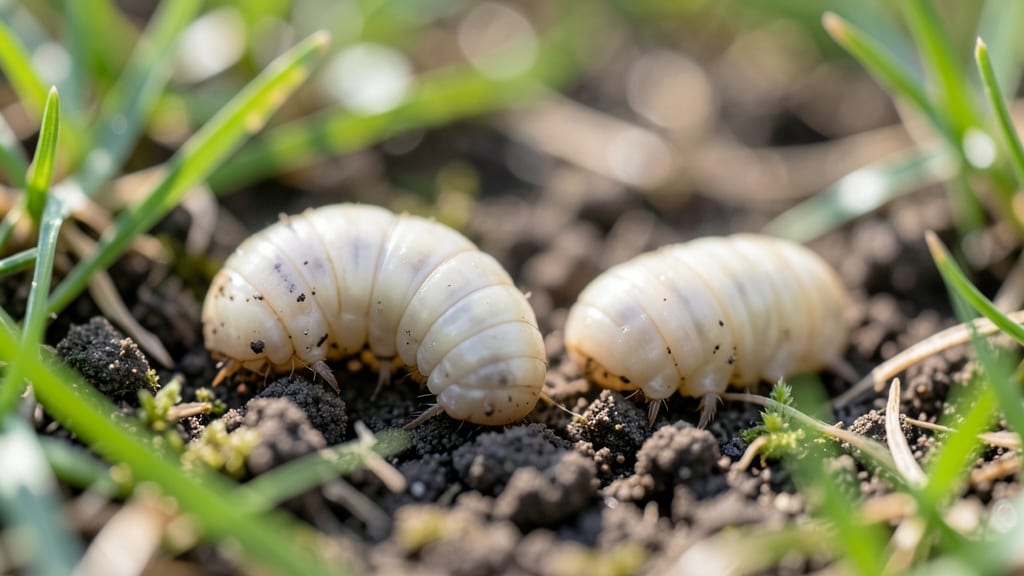
What to do about grubs in your lawn means brown patches and a struggling yard—unless you act fast. 🌱 I’ve battled these sneaky pests (Japanese beetle larvae, mostly) and learned the 3-step natural fix that saves your grass without harsh chemicals. The damage starts underground: grubs munch on roots, leaving patches that pull up like carpet. But here’s the good news—milky spore, nematodes, and proper watering can turn things around in weeks, not months. You’ll see healthier grass within 4-6 weeks of treatment, with fewer patches and stronger roots. The secret? Catching it early and using the right approach for your lawn’s health. Works for any yard, whether you’re dealing with a small patch or a full infestation. Let’s get your lawn back to lush!
The Hidden Triggers Behind Grubs
Grubs don’t just appear out of nowhere—they’re the result of a perfect storm of environmental conditions, human habits, and natural cycles. Understanding these triggers is the first step to stopping them before they turn your lawn into a patchwork of brown, spongy patches.
Let’s break down the science behind why grubs show up in your yard.
Grubs thrive in moist soil, but too much water is like an all-you-can-eat buffet for them.
Here’s why: - Excess moisture softens the soil, making it easier for Japanese beetle (or other grub-producing insect) eggs to hatch and larvae to burrow deeper. - Poor drainage keeps the root zone saturated, creating a hospitable environment for grubs to feed on grass roots for weeks. - Frequent light watering (e.g., daily sprinklers) mimics a rainforest climate, encouraging egg-laying by adult beetles.
Actionable insight: If your lawn stays soggy for more than 24 hours after watering, you’re likely overdoing it. Aim for deep, infrequent watering (1–1.5 inches per week) to dry the surface slightly between sessions.
Grubs are the larvae of beetles, and the most notorious offender is the Japanese beetle (Popillia japonica).
Here’s how they infiltrate your lawn: - Adult beetles emerge in late spring/early summer, feast on foliage, and then lay eggs in warm, well-drained soil (60–70°F). - A single female can deposit up to 60 eggs in clusters, which hatch into grubs in 10–14 days. - Other pests, like masked chafer or June beetle grubs, follow similar life cycles but prefer cooler, damper conditions.
Key detail: Grubs from Japanese beetles are C-shaped and white, while masked chafer grubs are curved and cream-colored. Identifying the type helps tailor your response.
Thatch—a layer of dead grass, roots, and debris—acts like a protective blanket for grub eggs and larvae.
Why? - Thick thatch (½ inch or more) traps moisture and organic matter, creating a cozy nursery for eggs. - Compacted soil beneath thatch makes it harder for beneficial predators (like birds or nematodes) to reach the grubs. - Slow decomposition of thatch releases nutrients that attract more beetles to lay eggs.
Pro tip: If your lawn has thatch thicker than a nickel, dethatch in early spring (before beetles arrive) or use core aeration to break up the layer.
Healthy soil supports strong grass roots, which naturally resist grub damage.
But when soil is imbalanced, grubs move in: - Low microbial activity means fewer natural predators (like bacteria or fungi) to control grub populations. - High nitrogen fertilizer (especially in late summer) can stimulate beetle egg-laying—they’re drawn to lush, nitrogen-rich grass. - Compacted or clay-heavy soil limits oxygen, stressing grass and making it easier for grubs to feast on weakened roots.
Science-backed fix: Test your soil’s pH and nutrient levels. Aim for a pH of 6.0–7.0 and avoid fall nitrogen applications, which peak when beetles are most active.
Grubs love sunny, well-warmed patches of your lawn because:
- Soil temperatures above 70°F trigger egg-hatching and rapid grub growth.
- Southern or western exposures heat up faster, creating ideal conditions.
- Thin or newly seeded grass (which warms up quicker) is an easy target for feeding grubs.
Strategic move: If your lawn has hotspots (like near driveways or fences), these are high-risk zones. Monitor them closely in June–July when beetles are most active.
In a balanced ecosystem, grubs face constant pressure from:
- Birds (robins, skunks, and moles devour them).
- Predatory insects (ground beetles, soldier beetles, and parasitic wasps).
- Soil microbes (certain fungi and bacteria infect grubs).
Why the imbalance?
- Pesticide overuse kills beneficial insects along with pests.
- Monoculture lawns (just one type of grass) offer fewer habitats for predators.
- Urbanization reduces natural prey diversity.
Eco-friendly solution: Plant native grasses and wildflowers around your lawn to attract predator species. Avoid broad-spectrum pesticides in spring and summer when beetles are active.
Natural Ways to Fix Grub Damage
Grubs may seem like a tiny nuisance, but their damage can quickly turn your lush lawn into a patchy, uneven eyesore. The good news? You don’t need harsh chemicals to tackle them.
Below, we’ll break down practical, effective solutions tailored to the root cause of your grub problem—whether it’s an active infestation, past damage, or prevention for next season. Let’s get your lawn back to its healthy best!
Before diving into fixes, confirm you’re dealing with grubs (not other pests like chinch bugs or moles). Dig up a small patch of sod—if you find white, C-shaped larvae (1/2 to 3/4 inch long), you’ve got grubs. If the soil is dry or compacted, that’s also a contributing factor.
👨🍳 Step 1: Encourage Natural Predators Grubs have enemies—birds, toads, and beneficial nematodes—that can help control populations naturally. - Attract birds: Leave seed heads on plants (like sunflowers or millet) or install a shallow birdbath. - Release nematodes: Heterorhabditis bacteriophora or Steinernema carpocapsae are microscopic worms that hunt grubs.
Apply them in the early evening with a hose-end sprayer when soil temps are 55–85°F. Water lightly afterward to help them move into the soil. > Pro Tip 💡: Nematodes work best in moist, well-aerated soil.
Avoid applying if rain is forecasted within 24–48 hours.
🥘 Step 2: Manual Removal (For Small Lawns) If your lawn is under 5,000 sq. ft., hand-picking grubs can be effective. 1. Water the lawn deeply the night before to soften the soil.
- Rake back the turf in sections (about 1 sq. ft. at a time) and scoop out grubs with a trowel or gloved hands.
- Drop them in soapy water to kill them instantly.
- Reseed or resod the disturbed areas afterward. > Warning ⚠️: This is labor-intensive—best for small, high-value areas (like near patios or play spaces).
🔪 Step 3: Milky Spore for Long-Term Control
If grubs are a recurring problem, Bacillus popilliae (milky spore) is a biological pesticide that builds up in your soil over time.
- How to apply: Mix milky spore powder with water and spray or water it into the soil in early summer (when grubs are young).
- Results: Takes 1–2 years to establish, but can reduce grub populations by 70–90% long-term. > Bonus 🎯: Works best in warm, moist climates (like the Southeast and Midwest).
🌱 Step 4: Reseed or Sod Bare Spots Grubs weaken grass roots, leaving brown, spongy patches that pull up easily.
Repair them with: - Quick fix: Lay sod over the damaged area (press edges firmly into soil). - Long-term fix: Reseed with a grub-resistant grass like tall fescue or Kentucky bluegrass.
Overseed in early fall for best results. > Pro Tip 💡: Before seeding, loosen the soil with a rake or aerator to help roots establish.
🌡️ Step 5: Improve Soil Health Grubs thrive in compacted, nutrient-poor soil.
Boost your lawn’s resilience with: - Aeration: Rent a core aerator to relieve compaction (do this in early fall or spring). - Compost or organic matter: Spread a 1/4-inch layer of compost and lightly rake it in to improve drainage and microbial activity. - Probiotics for soil: Use a beneficial bacteria product (like Bacillus subtilis) to outcompete harmful organisms.
🛡️ Step 6: Break the Grub Life Cycle Grubs hatch from Japanese beetle eggs laid in late June–July.
Disrupt their cycle with: - Mulch properly: Keep mulch 2–3 inches away from the lawn’s edge to deter beetles from laying eggs. - Trap crops: Plant radishes, beans, or grapes nearby—Japanese beetles prefer these over your lawn. - Neem oil spray: In late June, spray neem oil on lawn edges to repel adult beetles before they lay eggs.
🌡️ Step 7: Maintain a Grub-Unfriendly Lawn Healthy grass = fewer grub problems.
Follow these year-round habits: - Mow high: Keep grass at 3–4 inches to shade out weeds (which grubs love). - Water deeply but infrequently: 1–1.5 inches per week encourages deep roots, making grass tougher. - Fertilize smartly: Use a slow-release, organic fertilizer in early fall to strengthen roots.
If your lawn is large (over 10,000 sq. ft.) or grubs keep coming back despite your efforts, consider:
- Professional nematode treatment (more targeted application).
- Grub-specific insecticides (like imidacloprid or chlorantraniliprole) as a last resort—use only if natural methods fail.
Final Thought: Grubs are manageable without chemicals—it just takes patience and consistency. Start with natural predators and soil improvements, then prevent future infestations with smart lawn care. Your lawn will thank you with thicker grass and fewer brown patches come next summer!
Frequently asked questions
How do I know if my lawn has grubs instead of other pests?
Look for white, C-shaped larvae (about 1/2 to 3/4 inch long) when you dig up a small patch of sod. Grubs leave brown, spongy patches that pull up easily, while chinch bugs create yellow patches with no sod lift. Check for adult beetles (like Japanese beetles) feeding on foliage in summer.
Can I use nematodes in hot or dry weather?
Nematodes need moist, well-aerated soil between 55–85°F to survive. Apply them in the early evening and water lightly afterward. Avoid using if temperatures exceed 90°F or if rain isn’t forecasted within 24–48 hours. Early summer or fall is ideal.
How long does milky spore take to work?
Milky spore builds up in soil over time—expect partial control in year 1 and 70–90% reduction by year 2. It’s a long-term solution, not a quick fix. Apply it in early summer when grubs are young for best results in warm, moist climates.
Will reseeding fix grub damage permanently?
Reseeding repairs visible damage, but you’ll still need to address the grubs themselves. Use grub-resistant grasses like tall fescue and combine with nematodes or milky spore to prevent future infestations. Overseed in early fall for strongest root establishment.
Are there any chemical-free ways to repel adult beetles?
Yes! Try neem oil spray on lawn edges in late June to deter Japanese beetles before they lay eggs. Plant trap crops like radishes or beans nearby—beetles prefer these over grass. Also, keep mulch 2–3 inches away from your lawn’s edge.