
Mower
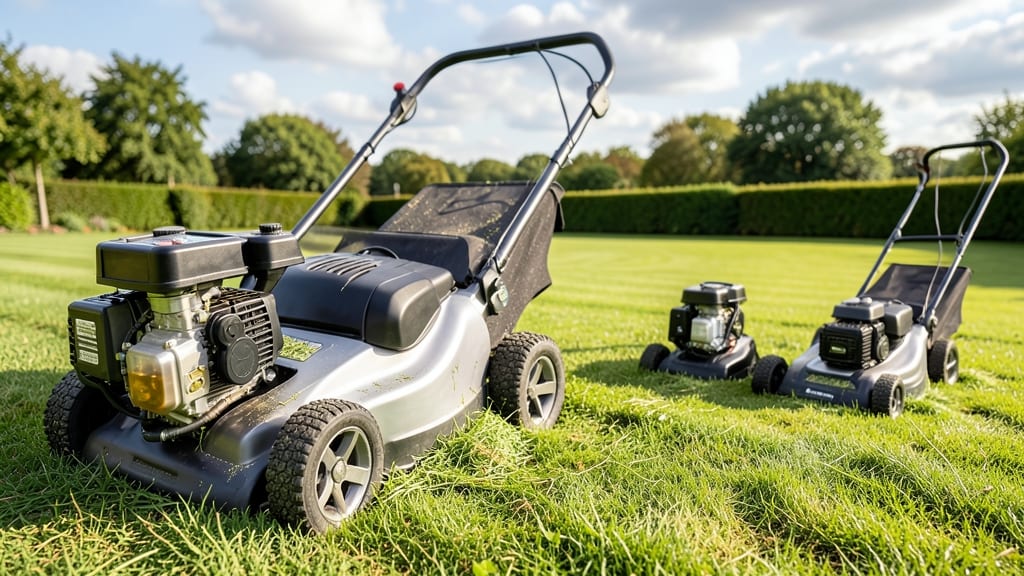
A hydrostatic lawn mower is a type of mower that uses fluid-based transmission to power the cutting deck, offering variable speed control without traditional belts or gears for smoother operation and less maintenance over time.
A hydrostatic lawn mower replaces the traditional belt-and-gear system with a fluid drive that adjusts speed infinitely by controlling hydraulic pressure.
This means you get precise control over cutting speed without sudden jerks or gear shifts. 🌿 The system also handles tough terrain better by automatically adjusting torque, which is why many commercial-grade mowers prefer this technology.
Plus, the lack of belts means fewer parts to wear out or replace, saving you time and money in the long run.
This technology isn't just for big yards—it's also popular among homeowners who want smoother operation, especially on uneven terrain. The seamless speed adjustment makes it easier to handle tight turns and tricky edges without losing control.
While hydrostatic mowers might have a slightly higher upfront cost, their durability and performance often make them worth the investment for serious lawn care enthusiasts.
💡 In This Article
- How Hydrostatic Transmission Works in Lawn Mowers
- Best Hydrostatic Lawn Mowers for Different Yard Sizes
How hydrostatic transmission works in lawn mowers
At its core, hydrostatic transmission replaces traditional mechanical gears and belts with a fluid-based system that converts engine power into motion through hydraulic pressure. Here's what's happening under the hood: The engine drives a hydraulic pump that pressurizes fluid (typically oil) in a sealed circuit.
This pressurized fluid then flows through a valve system to a hydraulic motor connected to the cutting deck's drive wheels. By adjusting the valve's opening, you control the fluid flow rate, which directly translates to speed variation—no gears or belts needed!
The magic happens in the hydraulic pump, which can deliver up to 3,000 PSI (pounds per square inch) of pressure in residential models and even higher in commercial units.
This pressure creates torque that's instantly adjustable, allowing the mower to handle everything from flat lawns to steep hills without losing power. Unlike belt-driven systems that rely on fixed gear ratios, hydrostatic drives offer infinite speed variation—just like a car's cruise control but for your mower.
This means you can smoothly transition from 1.5 mph for precision edging to 5 mph for quick cutting across open areas, all without shifting gears.
What sets hydrostatic apart is its ability to automatically adjust torque based on load. When you hit a steep incline or thick grass, the system senses the increased resistance and boosts pressure to maintain speed.
This self-adjusting feature eliminates the jerky acceleration you'd experience with a belt-driven mower when climbing hills. The fluid also acts as a natural shock absorber, reducing vibration that can wear out mechanical components over time.
For comparison, a typical belt-driven mower might lose 20-30% of power when climbing a 15-degree slope, while a hydrostatic model maintains nearly full power.
Let's talk maintenance—hydrostatic systems have fewer moving parts than traditional drives. No belts to stretch or replace, no gears to mesh precisely, and no clutch systems to wear out. The sealed fluid circuit requires minimal upkeep: just periodic fluid checks (typically every 100 hours of use) and occasional filter changes.
Most manufacturers recommend using hydraulic oil rated for lawn mower transmissions, which costs about $15-$25 per quart—far cheaper than replacing belts or gears every few seasons. The trade-off?
These systems are more complex to repair if something goes wrong, but their longevity often outweighs the risk for serious lawn care enthusiasts.
Here's a quick comparison to drive the point home:
- Speed Control: Hydrostatic offers infinite variation (like a car's gas pedal); belt-driven has fixed gear ratios (like a bicycle's gears)
- Torque Handling: Hydrostatic maintains 90%+ power on hills; belt-driven drops 20-40%
- Maintenance: Hydrostatic needs fluid checks every 100 hours; belt-driven requires belt replacements every 200-300 hours
- Upfront Cost: Hydrostatic models cost $500-$1,500 more initially but often last 2-3x longer
The result? A mower that feels more like a precision tool than a lawn care chore. When you're maneuvering around flower beds or tackling that shady corner where the grass grows in stubborn patches, the smooth, responsive control of a hydrostatic system makes all the difference.
It's why many professional landscapers swear by this technology—once you try it, going back to belts just doesn't feel right. 💫