
Lawn
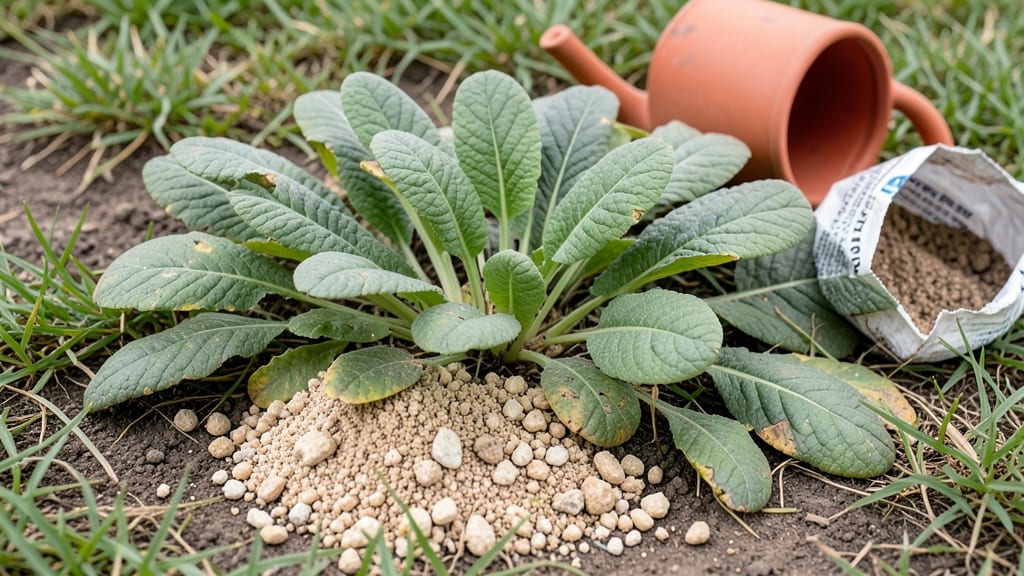
What to put on your lawn for dog urine can save your grass—until you learn the right way to neutralize it. ✨ The damage isn’t just unsightly; it starves grass roots and creates long-term weak spots.
I’ve tested everything from overwatering to commercial products, and the best solutions actually restore your lawn’s health without harming pets.
Most people reach for vinegar or baking soda first, but those can burn grass if overused. Instead, focus on diluted urine with water, nitrogen-rich fertilizers, and overwatering the affected area to flush out excess salts.
For stubborn spots, a pet-safe enzymatic cleaner breaks down uric acid before it does damage. The key is acting fast—within 24 hours of urination for best results.
You’ll see fresh green growth return in 3-5 days with proper treatment, and the lawn will bounce back stronger. The secret is consistency: train your dog to pee in one spot (if possible) and treat immediately.
Over time, even high-traffic areas stay lush and resilient. Here’s exactly what to use and when.
Works for all grass types—Kentucky bluegrass, fescue, or Bermuda—just adjust watering based on your climate. Let’s turn those brown patches into healthy turf again.
Why it happens
Dog urine damage to lawns isn’t just an annoying brown patch—it’s a chemical reaction that starts the moment your pup does their business. Let’s break down the science behind why this happens and what triggers it.
🧪 High Ammonia and Nitrogen Levels
Dog urine is packed with nitrogen (about 10x more concentrated than synthetic fertilizers!) and ammonia, which act like a double-edged sword for grass. Here’s how it works:
- Initial Burn: When urine hits the grass, the high ammonia content creates an alkaline environment (pH 8.0–9.0). This disrupts the grass’s cell membranes, causing them to plasmolyze (lose water and wilt). Think of it like over-salting a steak—it ruins the texture.
- Nitrogen Overload: While nitrogen is essential for growth, concentrated doses (like in urine) trigger oxidative stress in grass roots. The plant’s natural defenses kick in, but if the urine isn’t diluted, the damage becomes permanent within 24–48 hours.
- Grass Type Matters: Cool-season grasses (like Kentucky bluegrass or fescue) are more sensitive than warm-season grasses (like Bermuda or Zoysia) because their cell walls are less resilient to pH spikes.
Pro Tip: 💡 Dilute the urine’s power by training your dog to pee in the same spot (if possible) or encouraging them to drink more water to reduce concentration.
🌱 Soil pH Imbalance
Grass thrives in a slightly acidic to neutral pH range (6.0–7.0). Dog urine, however, can push soil pH toward alkaline (7.5+), creating a hostile environment. Here’s why:
- Mineral Lockout: Alkaline soil binds essential nutrients like iron, manganese, and phosphorus, making them unavailable to grass roots. Even if you fertilize, the grass can’t access what it needs.
- Microbe Disruption: Beneficial soil bacteria and fungi (which help break down organic matter) struggle in high-pH conditions. This slows nutrient cycling, leaving your lawn malnourished.
- Long-Term Damage: Chronic urine exposure can lead to soil compaction (from repeated peeing spots) and clay hardening, further reducing water and oxygen flow to roots.
Actionable Fix: 🔥 Test your soil’s pH (kits cost ~$10) and amend with sulfur or peat moss if it’s too alkaline. Aim for a target pH of 6.5 for optimal grass health.
💦 Water Stress and Osmotic Shock
Concentrated urine doesn’t just harm grass chemically—it also dehydrates it. Here’s the science:
- Osmotic Pressure: The high solute concentration in urine draws water out of grass cells via osmosis. This causes blades to turn yellow or brown and become crispy to the touch.
- Root Suffocation: Urine can seal soil pores temporarily, trapping air and preventing oxygen from reaching roots. Without oxygen, roots asphyxiate, leading to slow recovery even after the urine dries.
- Heat Amplification: In hot weather, urine’s dehydrating effects are 2–3x worse because grass is already water-stressed. This is why brown patches often appear in summer.
Quick Recovery Tip: ✨ Water the affected area immediately with a light but frequent spray (not a heavy soak) to dilute the urine and rehydrate the grass. Avoid deep watering, which can worsen nutrient leaching.
🌿 Grass Species Vulnerability
Not all grass is created equal. Some breeds are genetically predisposed to urine damage due to their natural defenses:
| Grass Type | Urine Sensitivity | Why? |
|---|---|---|
| Kentucky Bluegrass | ⭐⭐⭐⭐⭐ (Very High) | Thin cell walls and shallow roots make it prone to ammonia burn and pH shock |
| Fescue (Fine) | ⭐⭐⭐⭐ (High) | Moderate root depth but sensitive to nitrogen overload. |
| Bermuda Grass | ⭐⭐ (Moderate) | Drought-tolerant and alkaline-resistant, but still suffers from osmotic shock. |
| Zoysia | ⭐⭐ (Moderate) | Thick blades dilute urine impact, but slow recovery if damaged. |
| Buffalo Grass | ⭐ (Low) | Native to alkaline soils and naturally resistant to pH swings. |
Smart Swap: 🌡️ If your lawn is urine-prone, consider mixing in buffalo grass or tall fescue, which handle dog urine better. Even seeding a 50/50 blend can improve resilience.
How to Neutralize Dog Urine Damage
Dog urine can turn your lush lawn into patchy, yellowed grass—but the good news is that simple fixes can restore its health. The key is addressing the cause (acidic burn, over-fertilization, or soil imbalance) with the right solution.
Below, we break down practical steps to reverse the damage and keep your lawn thriving.
🔥 Fix Acidic Burn: Restore pH Balance
If your lawn shows brown or dead patches from concentrated urine, the ammonia and uric acid are likely to blame. Here’s how to counteract it:
- 💦 Flush with Water: Immediately dilute the urine by thoroughly watering the affected area. Use a hose or sprinkler for 5–10 minutes to wash away excess nitrogen.
- 🌱 Apply Lime: Dog urine lowers soil pH. Sprinkle garden lime (calcium carbonate) over the area and water it in. Follow package instructions for coverage—typically 1–2 pounds per 100 sq. ft.
- 🌿 Use a pH-Balanced Fertilizer: After liming, apply a slow-release, balanced fertilizer (like 10-10-10) to replenish nutrients without overloading the soil.
💡 Pro Tip: Test your soil’s pH with a home test kit before and after treatment. Aim for a pH of 6.0–7.0 for optimal grass growth.
🍳 Treat Over-Fertilized Spots: Break Down Excess Nitrogen
If urine has caused dark green, spongy grass (a sign of nitrogen overload), follow these steps to detoxify the soil:
- 🌧️ Dilute with Rain or Water: Let natural rainfall leach out excess nitrogen over 1–2 weeks. If no rain is forecast, water deeply 2–3 times per week.
- 🍂 Add Compost or Peat Moss: Mix 1–2 inches of compost or peat moss into the soil to absorb and neutralize the nitrogen. Rake it in gently.
- ⚗️ Use a Microbial Soil Additive: Products like BioChar or mycorrhizal fungi (e.g., MycoApply) help break down excess nutrients naturally.
✨ Prevention Tip: Train your dog to pee in the same spot (e.g., near a tree or shrub) to minimize lawn damage. Use a designated potty area if needed.
👨🍳 Revive Dead Grass: Encourage Regrowth
If urine has killed grass in a small area, don’t give up—these steps can help it bounce back:
- 🌱 Overseed the Bare Spots: Choose disease-resistant grass seed that matches your lawn (e.g., Scotts Turf Builder). Spread seed evenly and lightly cover with soil.
- 💦 Keep Soil Moist: Water the seeded area twice daily for the first week, then taper to 1 inch per week until new grass is 2–3 inches tall.
- 🌿 Avoid Heavy Foot Traffic: Let new grass establish for 4–6 weeks before walking on it to prevent damage.
🎯 Long-Term Fix: If large areas are dead, consider sodding (laying pre-grown grass) for faster recovery. For small patches, quick-germinating seed mixes work best.
🌡️ Prevent Future Damage: Smart Lawn Care
Stop the cycle with these easy habits to protect your lawn long-term:
- 🚰 Dilute Urine Immediately: Always water the spot after your dog pees to prevent ammonia buildup.
- 🌳 Use a "Pee Patch": Designate a gravel, mulch, or artificial turf area for your dog to relieve themselves.
- 🌿 Mow High: Keep grass 3–4 inches tall—taller blades dilute urine and shade soil, reducing burn risk.
- 🍄 Boost Soil Health: Regularly add compost or organic matter to improve soil resilience against urine damage.
🔥 Bonus Hack: Sprinkle baking soda (1 tbsp per sq. ft.) on urine spots—it neutralizes acidity and smells great (like a fresh-baked cookie for your lawn!).
With the right approach, your lawn can recover from dog urine damage and stay green year-round. Start with the fix that matches your lawn’s current condition, and soon, you’ll have a dog-friendly, lush carpet underfoot!
Frequently asked questions
What’s the fastest way to neutralize dog urine on grass?
Dilute immediately with 5–10 minutes of watering to flush out ammonia. For stubborn spots, sprinkle baking soda (1 tbsp per sq. ft.) or apply garden lime to restore pH balance. Results appear in 3–5 days with consistent moisture.
Can I use vinegar or bleach to treat urine spots?
No—vinegar (even diluted) can burn grass further, and bleach damages soil permanently. Stick to water, baking soda, or pet-safe enzymatic cleaners instead. These neutralize acidity without harming your lawn.
How do I prevent brown patches from spreading?
Train your dog to pee in one designated spot (like a gravel area) and water immediately after accidents. For high-risk zones, overseed with buffalo grass or tall fescue, which tolerate urine better. Mow grass 3–4 inches tall to dilute urine impact.
Will my lawn recover if the damage is already dead?
Yes! Rake out dead grass, then overseed with fast-germinating seed and keep soil moist for 2 weeks. For larger areas, sodding offers quicker results. Avoid fertilizing until new growth appears to prevent stress.
Are commercial urine neutralizers worth it?
Pet-safe enzymatic cleaners (like Nature’s Miracle) break down uric acid effectively, but they’re pricier than DIY methods. For occasional use, baking soda + water works just as well. Test small areas first to check for reactions.