
Pests
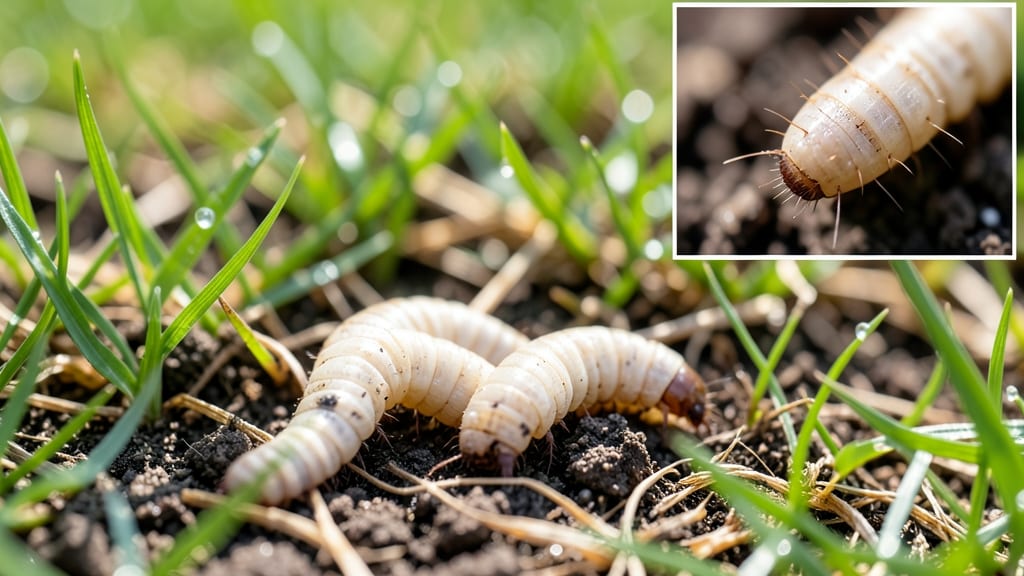
Grubs in lawns don’t just nibble—they devour your grass roots from the inside out, leaving behind patches that look like drought damage. 🌱 I’ve watched healthy lawns turn into brown wastelands overnight, only to realize grubs were the real culprits, not summer heat or poor watering.
These C-shaped larvae feast on roots, weakening grass so much that a single step can rip up entire sections.
The damage starts small—thin spots that grow into larger bare patches—but the real kicker is how fast it spreads. Grubs thrive in moist, well-fertilized soil, and once they’re established, they can multiply exponentially.
The good news? You can spot their work before it’s too late: look for spongy grass that pulls up easily or birds pecking at your lawn like it’s an all-you-can-eat buffet.
Here’s the game-changer: a 3-step approach that works without harsh chemicals. First, aerate to expose grubs to predators like birds and beneficial nematodes. Then, overseed thick grass to starve them out. Finally, apply milky spore—a natural, long-lasting solution that targets grubs without harming your lawn or the environment.
It’s not instant, but it’s the most sustainable fix I’ve found after years of trial and error.
Confession: my first attempt with chemical pesticides backfired—it killed the grubs but also wiped out beneficial insects for months. Now, I focus on prevention: keeping soil healthy, encouraging natural predators, and acting fast at the first sign of damage.
The results? A lawn that stays green even through the hottest summer months—and no more mysterious brown patches that refuse to explain themselves.
The Hidden Causes of Grub Damage
Grubs aren’t just a nuisance—they’re lawn destroyers with a very specific menu of reasons for turning your grass into a patchy, brown mess. Understanding why they strike helps you stop them before they turn your yard into their all-you-can-eat buffet. Here’s the science behind their destructive habits:
Grubs thrive in moist, soft soil—think of it as their version of a luxury spa. When you overwater your lawn, you’re not just hydrating grass; you’re creating the perfect habitat for these pests. Here’s why:
- Excess moisture loosens soil, making it easier for grubs to burrow and feed on roots.
- Grubs need moisture to survive, especially as larvae. Dry conditions stress them out, but consistent dampness is an invitation.
- Overwatering also washes away natural predators like birds and beetles, leaving grubs unchecked.
Actionable fix: Water deeply but infrequently—aim for 1 inch per week (including rain) and let the topsoil dry slightly between waterings. Use a soil moisture meter to avoid guesswork.
That layer of spongy thatch between your grass and soil? It’s not just dead plant material—it’s a grub’s favorite hiding spot. Thatch traps moisture, blocks sunlight, and provides cover for grubs to munch on roots undetected.
The thicker the thatch, the harder it is to spot (or treat) the problem.
- Grubs prefer ½-inch to 1-inch thick thatch because it mimics a cozy, protected environment.
- Without proper aeration, thatch smothers grass roots, making them easier targets for grubs.
- Common in cool-season grasses (like Kentucky bluegrass) and lawns with poor mowing habits (e.g., cutting too short).
Actionable fix: Dethatch your lawn in early spring or fall using a vertical mower or rake. Keep mower blades at 3–4 inches to prevent thatch buildup.
Grubs don’t just appear out of nowhere—they’re the larvae of Japanese beetles, and their moms are very strategic about where they lay eggs. If your lawn is a Japanese beetle buffet, you’re guaranteed a grub infestation. Here’s the cycle:
- Adult beetles (with their telltale coppery-green bodies) feed on roses, grapes, and other plants in late spring/early summer.
- After mating, females dig 2–4 inches deep into soil to lay 40–60 eggs in clusters.
- Eggs hatch into grubs in 10–14 days, which then spend 8–10 months feasting on roots.
Why it matters: One beetle = dozens of grubs = dead grass patches. If you see chewed leaves or skeletonized foliage on plants, beetles are nearby—and grubs will follow.
Actionable fix:
- Set up beetle traps (but place them away from your lawn—they attract more beetles!).
- Apply grub-specific insecticides (like imidacloprid) in early summer to kill eggs before they hatch.
- Encourage natural predators like birds (install a bird-friendly feeder) or parasitic wasps.
Healthy grass roots are tough and resilient—grubs have to work hard to chew through them. But when your soil is nutrient-poor or compacted, roots become weak and easy targets. Grubs prefer lawns with:
- Low nitrogen (grubs need nitrogen to grow, and stressed grass has less of it).
- Compacted soil (makes roots shallow and vulnerable).
- High organic matter (grubs love decaying plant material—it’s like fast food for them).
Actionable fix:
- Test your soil (DIY kits are cheap and easy) and amend with compost or composted manure to improve structure.
- Aerate your lawn annually to relieve compaction and encourage deep root growth.
- Fertilize in early fall with a high-phosphorus blend to strengthen roots before grub season peaks.
Grubs don’t choose lawns randomly—they target weak spots. By fixing these common causes, you’re not just treating the symptom (brown patches) but starving the problem at its source. 🚫🐜
Fixing Grub Damage Fast
Grubs may be tiny, but their damage can feel like a full-blown lawn disaster—thinning grass, brown patches, and even dead spots that seem impossible to revive. The good news? With the right approach, you can reverse the damage, eliminate grubs, and restore your lawn to its lush best.
Below, we break down targeted solutions based on the root cause of your grub problem, plus prevention tips to keep them from crashing your yard again.
---
Cause: Grubs are feasting on roots, starving your grass. Fix: Aerate + Treat + Replant
1. 🔪 Dig Up and Check for Grubs Grab a shovel and flip over a small section of damaged grass. If you see white, C-shaped larvae (grubs) burrowed in the soil, you’ve got your culprit. Count them—more than 5–10 per square foot? Time to act.
2. 🌱 Aerate the Lawn Rent or buy a core aerator (or use a garden fork) to poke holes 2–3 inches deep. This loosens compacted soil, helps treatments penetrate, and gives grass roots room to recover.
3. 💊 Apply a Grub Killer - Chemical Option: Use a grub-specific insecticide like imidacloprid (Merit) or chlorantraniliprole (Scotts GrubEx). Follow label instructions—most require watering in after application. - Natural Option: Nematodes (beneficial worms) like Heterorhabditis bacteriophora attack grubs without chemicals.
Apply in the evening when soil is moist, and reapply every 4–6 weeks if needed.
4. 🌿 Overseed Bare Spots Once grubs are gone, sprinkle high-quality grass seed (match it to your lawn type) over thin areas. Use a starter fertilizer to help roots establish.
---
Cause: Grubs = all-you-can-eat buffet for wildlife. Fix: Treat Grubs First, Then Deter Wildlife
1. 🐾 Eliminate the Grub Buffet Follow the aerate + treat steps above. No grubs = no mole/skunk parties.
2. 🚫 Block Wildlife Entry Points - Fill in holes with soil and tamp down firmly. - Install hardware cloth barriers (1/4-inch mesh) around garden beds if moles return. - 💡 Pro Tip: Sprinkle castor oil-based repellents (like Hot Shot) around the yard—moles hate the smell!
3. 🕵️♂️ Set Humane Traps (Last Resort) If moles keep tunneling, use scissor traps (check local laws first). Place them perpendicular to tunnels for best results.
---
Cause: Your lawn is a grub magnet—too much organic matter, overwatering, or weak grass. Fix: Break the Grub Cycle
1. 🌡️ Adjust Watering Habits Grubs love moist soil. Water deeply 2–3 times per week (early morning) instead of daily light sprinkles. Let the top inch dry between waterings.
2. 🍽️ Reduce Organic Debris Rake up leaf litter, thatch, and clippings—grubs hide in these cozy spots. Keep your lawn clean but not bare.
3. 💪 Strengthen Your Grass - Fertilize in early fall (grubs hatch then!) with a balanced, slow-release formula. - Mow high (3–4 inches) to shade out weeds and stress grubs with dry soil.
4. 🔄 Rotate Treatments If you’ve used the same insecticide yearly, grubs may build resistance. Alternate between nematodes, milky spore (for Japanese beetle grubs), and chemical treatments for long-term control.
---
Once you’ve kicked grubs out, lock them out for good with these habits:
- 🌱 Plant Grub-Resistant Grass like tall fescue, ryegrass, or zoysia—they’re tougher on pests. - 🐞 Encourage Natural Predators like birds, toads, and beneficial nematodes by keeping a diverse, healthy lawn ecosystem. - 🕰️ Time Your Treatments Right—grubs are most vulnerable in late summer/early fall (when they’re young and near the surface). - 🧹 Inspect After Rain—grubs move up to dry soil.
If you see birds pecking at the lawn, treat immediately!
--- 💡 Final Reminder: Patience is key—reviving grub-damaged lawns takes 4–6 weeks for new grass to fill in. Stick with the plan, and your yard will be grub-free and green in no time!
Frequently asked questions
How do I know if my lawn has grubs instead of just drought damage?
Grub damage has key differences: pull up a small patch of grass—if the roots are chewed off and you see white, C-shaped larvae in the soil, it’s grubs. Unlike drought damage (which affects whole lawns uniformly), grub damage creates irregular brown patches that pull up easily. Also check for birds pecking at your lawn—they’re feasting on exposed grubs!
Can grubs survive winter in my lawn?
Yes! Grubs enter a dormant state but remain active in mild winters (like in southern climates). In colder regions, they survive as pupae underground until spring. The key danger period is late summer/early fall when young grubs hatch and start feeding—this is when you should treat them before they cause major damage.
Are chemical grub treatments safe for pets and kids?
Most chemical treatments (like imidacloprid) require a 24–48 hour wait before pets can walk on treated areas. For safer options, use beneficial nematodes or milky spore—both target grubs without harming people or animals. Always read labels carefully and water in treatments to reduce exposure.
Why do I keep seeing grubs even after treatment?
Grubs may return if you’re treating only the adults but not the eggs. Focus on late summer applications (when eggs hatch) and consider rotating treatments (like nematodes one year, milky spore the next). Also check your watering habits—overwatering creates perfect grub conditions.
Can I still save my lawn if grubs have already killed most of the grass?
First treat for grubs (use nematodes or chemical controls), then aerate to help recovery. Overseed with tall fescue or ryegrass—these varieties establish quickly. Keep the area well-watered for 4–6 weeks to help new roots grow. Patience is key—healthy grass will outcompete grubs over time!