
Lawn
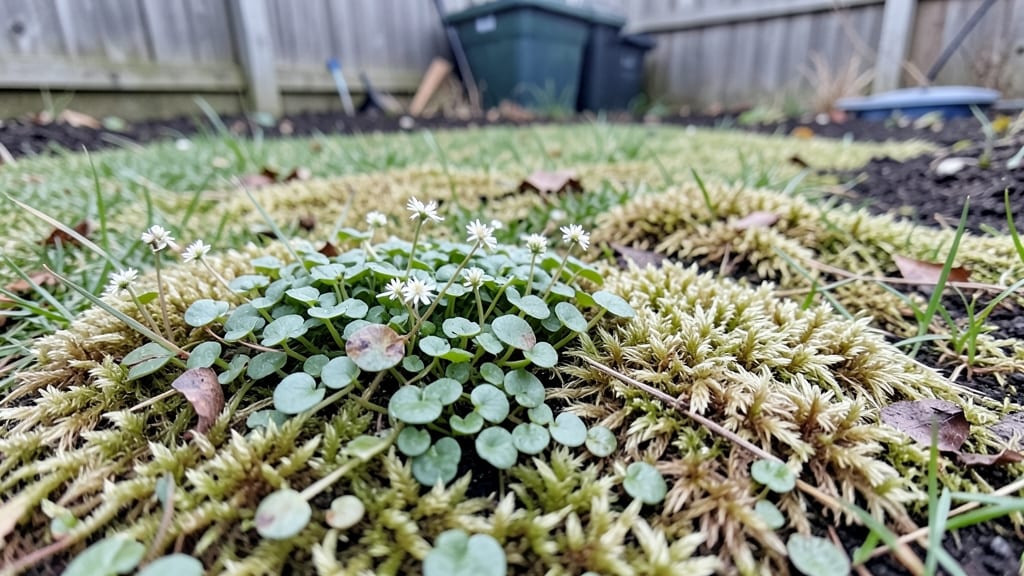
What causes moss in lawns is often a mix of damp, shady spots and acidic soil that chokes out grass—until I realized it was actually crowding out my yard. 🌿 I used to think it was just a natural part of a "wild" lawn. my grass and making the yard look perpetually soggy.
The truth is, moss isn’t just a cosmetic issue; it’s a symptom of deeper problems like poor drainage, compacted soil, or too much shade.
Most people overlook the simplest fixes: improving airflow, adjusting pH, or simply letting more sunlight reach the ground. My first attempt at fixing moss involved spreading lime and raking—it helped, but the real breakthrough came when I combined aeration with overseeding shade-tolerant grass.
The difference was shocking: within a season, the moss retreated, and my lawn filled in with thick, green grass where there had been only spongy patches before.
You’ll walk away with a lawn that stays dry, drains properly, and crowds out moss naturally. The key is understanding which of your lawn’s conditions are inviting moss—and then flipping the script.
Start with a soil test to check pH, then focus on one fix at a time: drainage, sunlight, or grass competition. By summer, you’ll have a lawn that looks like it belongs in a postcard, not a swamp.
This works for any lawn, whether you’re dealing with dense shade, clay soil, or just a history of moss taking over. The solutions are simple but require consistency—think of it like training a stubborn plant to behave. Let’s turn those mossy patches into lush, grassy reality.
The Hidden Triggers Behind Moss
Moss isn’t just a pesky green intruder—it’s a symptom of deeper issues in your lawn’s environment. Understanding why it thrives helps you tackle the root causes (literally!). Below, we break down the science behind moss growth, from soil chemistry to sunlight deprivation, so you can restore a lush, grass-dominated lawn.
###
🌧️ Excess Moisture & Poor Drainage
Moss loves water—too much of it. Unlike grass, which needs occasional watering, moss thrives in consistently damp conditions. Here’s why:
- Waterlogged soil: Heavy clay or compacted soil repels water, creating soggy patches where moss roots spread. Test it: Dig a 6-inch hole; if water pools after 30 minutes, drainage is poor.
- Shallow root zones: Grass roots struggle in waterlogged areas, while moss spores germinate in <12 hours with steady moisture. Solution: Aerate compacted soil to improve oxygen flow.
- Overwatering: Frequent light watering (e.g., daily sprinklers) mimics moss’s ideal environment. Fix: Water deeply 1–2x/week and let grass dry between sessions.
Pro Tip: 💡 Install a French drain or slope soil away from low-lying areas to redirect excess water.
###
☀️ Low Sunlight & Shady Spots
Grass craves sunlight—6+ hours daily—while moss thrives in partial to full shade. The science?
- Photosynthesis mismatch: Grass relies on sunlight for energy; moss uses chlorophyll a and b to photosynthesize even in low light, outcompeting grass.
- Slow decomposition: Shady areas have cooler, slower-decomposing organic matter, creating an acidic layer moss loves (pH <5.5).
- Weak grass roots: Shade-stressed grass can’t outgrow moss. Action: Thin overhanging trees or plant sun-tolerant grass varieties like Kentucky bluegrass or perennial ryegrass.
Quick Fix: ✨ Mow high (3–4 inches) in shady areas to shade out moss while keeping grass competitive.
###
🧪 Acidic Soil & Nutrient Imbalances
Moss doesn’t just like acidic soil—it needs it. Here’s how pH and nutrients play a role:
| Soil pH | Grass Health | Moss Growth |
|---|---|---|
| <6.0 (Acidic) | Weakened; struggles to absorb nutrients like nitrogen and phosphorus | ✅ Thrives; ideal pH for Hypnum and Polytrichum species |
| 6.0–7.5 (Neutral) | ✅ Optimal for most grasses (e.g., fescue, bentgrass) | ❌ Slow growth; competes poorly with grass |
| >7.5 (Alkaline) | Nutrient lockout (e.g., iron deficiency = yellow grass) | ❌ Rare; moss prefers acidity |
How to Test: 📊 Use a soil test kit (DIY) or lab test. Raise pH with lime (for acidic soil) or sulfur (for alkaline).
###
🌱 Thin or Dying Grass
Moss moves in when grass can’t defend its turf. Common culprits:
- Compaction: Heavy foot traffic or machinery crushes soil, strangling grass roots and creating moss-friendly microclimates.
- Disease or pests: Fungal infections (e.g., brown patch) or grubs weaken grass, leaving gaps for moss spores.
- Poor seed selection: Fast-growing grasses (like annual ryegrass) thin quickly, while slow starters (like tall fescue) leave bare spots.
Recovery Steps: 🔥
- Overseed bare patches with shade-tolerant grass in fall (ideal germination temps: 60–75°F).
- Apply compost to improve soil structure and outcompete moss.
- Fertilize with slow-release nitrogen to boost grass density.
Next up: We’ll dive into how to outsmart moss with targeted treatments—from natural remedies to chemical control. Stay tuned! 🚀
Fixing Mossy Lawns: Targeted Solutions
Moss in your lawn isn’t just an eyesore—it’s a sign your grass is struggling. The good news? With the right approach, you can reclaim a lush, green lawn. Below are practical, cause-specific fixes to eliminate moss and prevent its return.
Whether your problem is shade, poor drainage, or acidic soil, these steps will help you restore balance to your yard.
🌿 Too Much Shade? Boost Light & Grass Resilience
If moss thrives because your lawn lacks sunlight, the solution isn’t just trimming trees—it’s strategic lawn care to outcompete moss naturally.
🔥 Step 1: Thin or Prune Overgrown Trees/Bushes
Even small adjustments can make a difference. Trim branches to let at least 4–6 hours of direct sunlight reach your lawn daily. Focus on:
- Removing dead or dense foliage blocking light
- Selective pruning to open up shaded areas
- Avoiding heavy pruning in late summer (stress weakens plants)
🍳 Step 2: Overseed with Shade-Tolerant Grass
Not all grass loves shade, but these varieties do:
- Fine fescue – Thrives in low light, drought-resistant
- Kentucky bluegrass – Tolerates partial shade (once established)
- Perennial ryegrass – Grows quickly in shady spots
How to overseed:
- Mow existing grass short (1–1.5 inches)
- Rake to loosen soil and remove moss
- Spread seed evenly (use a broadcast spreader for large areas)
- Lightly top-dress with compost or starter fertilizer
- Water gently daily for 2–3 weeks
👨🍳 Step 3: Improve Soil Aeration & Drainage
Compacted soil worsens shade issues by blocking roots. Aerate to help grass grow deeper and crowd out moss.
- Rent a core aerator (pulls soil plugs to loosen compaction)
- Follow up with a light raking to remove debris
- Apply a thin layer of compost (¼ inch) to nourish roots
Prevention: 🎯 Walk on a board or path to avoid compacting soil further.
💧 Poor Drainage? Fix Wet Spots Fast
Moss loves soggy soil because it outcompetes grass in waterlogged areas. The fix? Improve drainage and encourage grass growth.
🔪 Step 1: Rake & Remove Moss Completely
Before treating the soil, eliminate existing moss to stop it from spreading.
- Use a stiff rake or moss scraper to pull it out by the roots
- For large patches, consider a vinegar spray (1:1 ratio with water) to kill moss chemically (reapply if needed)
- Discard moss—never compost it (it spreads spores)
🏗️ Step 2: Level Low Spots & Improve Grading
If water pools in certain areas, the ground may be uneven. Fix it with these steps:
- Dig out the lowest point of the wet spot
- Mix in sand or topsoil (50/50 blend) to improve drainage
- Slope the area away from your house (¼ inch per foot) to direct water flow
- Compact the soil lightly with a garden roller or plate compactor
Prevention: ✨ Install French drains or dry wells in chronically soggy areas.
🌱 Step 3: Overseed & Use Sand for Fast Recovery
After raking and leveling, seed the area with a fast-growing grass like perennial ryegrass. Then:
- Spread a thin layer of sand (¼ inch) to help water drain faster
- Apply a starter fertilizer (high in phosphorus for root growth)
- Water lightly but frequently (keep soil moist, not soggy)
🍋 Acidic Soil? Balance the pH Naturally
Moss thrives in acidic conditions (pH < 6.0), while most grasses prefer neutral to slightly acidic soil (pH 6.0–7.0). Raise the pH with these methods:
📊 Step 1: Test Your Soil’s pH
Before treating, know your exact pH to avoid over- or under-correcting.
- Buy a soil test kit (digital or liquid-based) from a garden center
- Follow instructions to collect samples (test 3–4 spots in your lawn)
- Adjust based on results (aim for 6.0–7.0 for grass)
🥗 Step 2: Apply Lime to Neutralize Acidicity
Lime raises pH and supplies calcium and magnesium—essential for grass health.
- Choose pelletized lime (easier to spread than powder)
- Apply 10–20 lbs per 1,000 sq ft (follow package instructions)
- Use a spreader for even coverage
- Water lightly after application
🍎 Step 3: Fertilize with a Balanced Formula
After liming, feed your lawn to strengthen grass and outcompete moss.
- Use a slow-release fertilizer (16-4-8 or 20-5-10 ratio)
- Apply ½ lb of nitrogen per 1,000 sq ft every 6–8 weeks
- Avoid high-nitrogen fertilizers (they encourage moss growth)
Prevention: 🎯 Mulch with wood chips (not pine straw)—they raise pH over time.
🛡️ Long-Term Prevention Tips
Once moss is gone, keep it from coming back with these proactive strategies
Moss thrives where grass struggles—typically in shady, damp, or acidic areas with poor drainage. Unlike grass, moss doesn’t need sunlight and actually prefers consistently moist soil (pH <6.0). If your neighbor’s lawn stays dry and sunny, their moss risk is much lower. Indirectly, yes! Moss crowds out grass by stealing nutrients and space, while its dense mat blocks sunlight and air from reaching grass roots. Over time, this weakens your lawn’s health and makes it harder for new grass to establish. Think of it as a sneaky lawn invader. Yes, but use it carefully! A 1:1 vinegar-water mix (applied with a sprayer) kills moss by lowering soil pH. For best results, spray on a dry day and reapply every 3-5 days until moss turns brown. Avoid overusing—vinegar can harm nearby plants and soil microbes. With the right approach, you’ll see noticeable improvement in 4-6 weeks, but full eradication can take 3-6 months. The key is addressing the root causes (drainage, pH, shade) while overseeding with competitive grass. Patience is key—moss removal is a marathon, not a sprint. Aeration improves soil drainage and root growth, which crowds out moss naturally. For best results, aerate in early fall when grass is actively growing, then overseed with shade-tolerant varieties. This combo breaks moss’s moisture-loving cycle.Frequently asked questions about lawn moss
Why does moss grow in some lawns but not others?
Can moss actually harm my grass?
Is vinegar an effective way to kill moss?
How long does it take to eliminate moss permanently?
Will aerating my lawn help prevent moss?