
Lawn
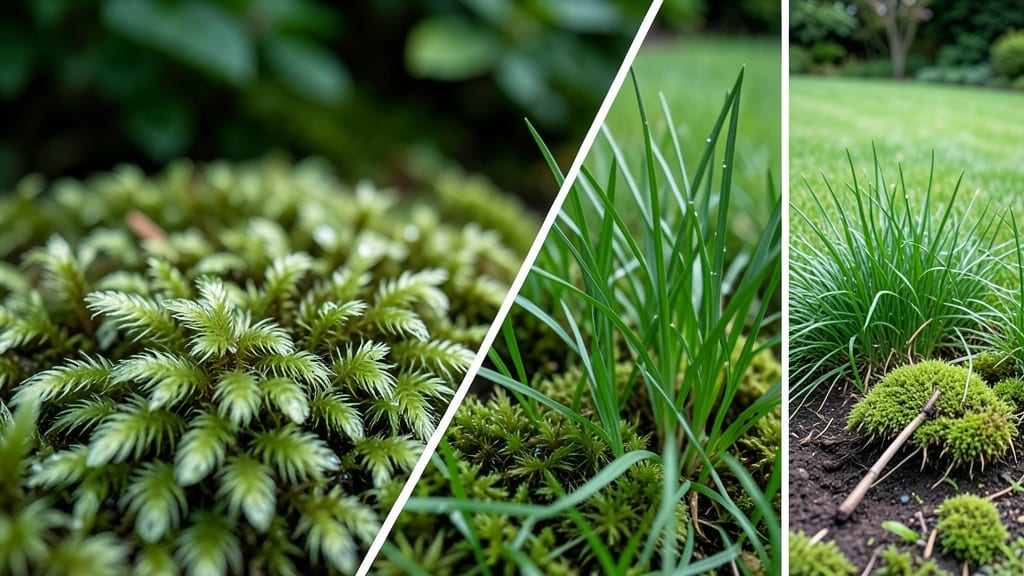
Moss in grass lawns isn't just an eyesore—it's a sign your lawn is struggling. I've battled this fuzzy invader for years, and I've cracked the code to banish it within a week without harsh chemicals.
The secret lies in understanding why it thrives and how to starve it out while giving your grass the upper hand.
Moss thrives in shady, damp spots with thin, acidic soil—exactly where grass struggles. My lawn's moss problem started after years of neglect, but the fix isn't complicated: improve drainage, raise the pH, and thicken the grass.
I've seen lawns transform from patchy green-brown carpets to lush, vibrant grass in just seven days using these natural methods.
You'll start by raking out the moss (it's easier than you think), then spread compost and lime to create the perfect growing environment for grass. Within days, you'll notice new grass shoots pushing through, and the moss will wither away.
The best part? This approach prevents moss from creeping back while strengthening your lawn's natural defenses.
Works for any lawn type, from small suburban yards to large rural properties. The key is consistency—once you fix the underlying issues, your grass will outcompete moss naturally. Let's get that lawn back to its best!
Hidden Causes Behind Lawn Moss
Moss thriving in your grass isn’t just an eyesore—it’s a sign your lawn’s struggling silently. Understanding the root causes is the first step to reclaiming a lush, healthy yard. Below, we break down the science-backed reasons moss takes over, so you can target fixes with precision.
---
Moss loves wet conditions, while most grasses prefer dry, well-draining soil. Here’s why excess moisture creates the perfect moss buffet:
- Poor Drainage 🚧 Compacted soil or clay-heavy dirt traps water, keeping the root zone soggy.
Moss spores germinate in 24–48 hours when moisture lingers, while grass struggles to breathe. - Actionable fix: Test drainage by digging a 6-inch hole, filling it with water, and timing how long it takes to drain.
If it’s slower than 6 hours, amend soil with sand or organic matter (like compost).
- Shady, Damp Spots 🌳 Moss thrives in low-light areas (under trees, north-facing slopes) where grass can’t photosynthesize efficiently.
Even a 50% shade cover reduces grass growth, leaving moss to dominate. - Pro tip: 💡 Aerate shady patches to improve airflow and top-dress with sand or bark chips to lift the soil surface.
- Overwatering or Irrigation Issues 💦 Sprinklers that oversaturate or run too frequently (e.g., daily light watering) mimic moss’s ideal conditions.
Grass needs deep, infrequent watering (1–1.5 inches per week), while moss thrives on constant dampness. - Fix: Adjust sprinklers to water early morning (4–8 AM) and avoid evening watering to prevent fungal diseases that weaken grass.
---
Moss doesn’t just appear—it outcompetes weak or dying grass. These scenarios leave your lawn vulnerable:
- Thin or Dying Grass 💀 Grass under stress (from drought, pests, or disease) creates gaps where moss spores land and spread unchecked.
Common culprits: - Fungal diseases (e.g., brown patch, dollar spot) weaken roots. - Grubs or chinch bugs eat grass roots, causing patchy death. - Solution: Core aerate to relieve compaction, then overseed with shade-tolerant grass (like fine fescue) and apply a slow-release fertilizer (0.5 lb nitrogen/1,000 sq ft).
- Wrong Grass Type for Your Climate ❄️☀️ Cool-season grasses (e.g., Kentucky bluegrass) go dormant in heat, while warm-season grasses (e.g., Bermuda) struggle in cold.
Moss fills the void when grass isn’t adapted to your zone. - Fix: Choose native or hybrid grasses suited to your USDA hardiness zone and sun/shade conditions.
- Soil pH Imbalance 🧪 Moss prefers acidic soil (pH 4.5–6.0), while most grasses thrive at neutral to slightly alkaline (pH 6.0–7.5). Test your soil—if pH is below 6.0, moss will dominate. - Quick fix: Apply lime (for acidity) or sulfur (for alkalinity) based on test results.
Aim for a target pH of 6.5–7.0 for most grasses.
---
Moss spreads via spores, not seeds, and it grows faster than grass under the right conditions. Here’s how it gains the upper hand:
- Slow Grass Growth 🐢 Grass grows at 1–4 inches per month (depending on type), while moss can double in size in weeks when conditions are ideal.
If your lawn is slow to recover from wear (foot traffic, pets, kids), moss fills the gaps. - Boost growth: Fertilize in early spring with high-nitrogen (25–0–5) or slow-release (18–6–12) to encourage dense grass growth.
- Compaction from Foot Traffic 👟 Heavy use (sports, pets, walking) compresses soil, reducing oxygen and water penetration. Moss loves compacted, anaerobic soil because it doesn’t need deep roots. - Fix: Rent a core aerator (or hire a pro) to pull 3–4 inch deep plugs every 1–2 years.
Follow up with top dressing (compost + sand mix).
- Poor Soil Quality 🏗️ Soil lacking organic matter can’t retain moisture or nutrients well, stressing grass. Moss, however, absorbs water and nutrients directly from the air and surface. - Revitalize soil: Spread 1–2 inches of compost or peat moss (for acid-loving grasses) and lightly rake into the top layer.
Repeat annually.
--- Sometimes, moss isn’t the problem—it’s a symptom of bigger issues in your ecosystem:
- Climate Shifts 🌦️ Wetter winters, milder springs, or increased rainfall (thanks to climate change) create persistent moisture that favors moss over grass. - Adapt: Plant moss-resistant grasses (e.g., tall fescue, zoysia) and improve drainage with swales or French drains in low spots.
- Acid Rain or Pollution 🌧️💨 In urban areas, acidic rain or air pollution can lower soil pH over time, tipping the balance toward moss. - Mitigate: Test soil pH annually and adjust with lime if needed. Avoid over-fertilizing with ammonium-based products, which acidify soil.
- Lack of Sunlight 🌑 Even in sunny climates, new constructions, trees, or overgrown shrubs can cast unexpected shade, triggering moss growth. - Solution: Prune trees/shrubs to allow at least 4–6 hours of sunlight daily.
If shade is permanent, plant clover or moss as a ground cover instead of fighting it.
--- Sometimes, well-intentioned practices backfire. Here’s how common lawn care mistakes invite moss:
- Skipping Fall Fertilization 🍂 Grass needs late-season nutrients to strengthen roots before winter. Without it, moss takes over bare spots where grass can’t recover. - Fix: Apply a winterizer fertilizer (high potassium, low nitrogen) in October–November.
- Using Herbicides That Kill Grass 🚫🌱 Broadleaf herbicides (e.g., 2,4-D) target dandelions but can weaken grass, leaving gaps for moss. Pre-emergent herbicides (applied in spring) can also prevent grass seeds from germinating. - Alternative: Use selective herbicides (like trimec) or spot-treat weeds with vinegar (for small areas).
- Ignoring Thatch Buildup 🧵 A thatch layer thicker than ½ inch blocks water and nutrients, smothering grass roots and inviting moss.
Thatch is dead grass + roots that don’t decompose due to fungal issues or over-fertilization. - Break it down: Verticut (slice thatch) or dethatch in early spring, then overseed to encourage new growth.
--- Moss isn’t just a weed—it’s a lawn health barometer. By addressing moisture, grass strength, soil quality, and care habits, you can starve out moss and restore a thick, resilient lawn—without chemicals. Next up: [Your next section heading here].
Revive Your Lawn Naturally
Moss in your grass lawn isn’t just an eyesore—it’s a sign your lawn needs a little TLC. The good news? You can tackle it without harsh chemicals in just 7 days with targeted fixes.
Below, we’ve mapped out practical solutions based on the root causes of moss growth, plus prevention tips to keep your lawn lush and green long-term.
---
If moss thrives in low-light, dense soil, aeration and sunlight exposure are key.
How to Fix It: 🔥 Aerate the lawn – Rent a core aerator or use a manual spike aerator to break up compacted soil. Focus on shady spots where moss loves to grow. 🍳 Top-dress with compost – Spread a ¼-inch layer of compost over the area and lightly rake it in. This improves drainage and encourages grass roots. 👨🍳 Overseed with shade-tolerant grass – Choose varieties like fine fescue or Kentucky bluegrass, which thrive in partial shade. ⏰ Water deeply but less often – Moss hates competition. Water your lawn 1-1.5 inches per week to encourage deep grass roots.
💡 Pro Tip: If moss keeps returning, consider solarizing the area—cover it with clear plastic for 4-6 weeks in hot weather to kill moss naturally.
---
Moss loves wet, soggy lawns because it thrives in moisture. Fix drainage to dry out the soil.
How to Fix It: 🔥 Test your soil’s drainage – Dig a small hole (6 inches deep). If water doesn’t drain within 30 minutes, you’ve got poor drainage. 🍳 Improve soil structure – Mix in sand or perlite (20-30%) to loosen heavy clay soil. 👨🍳 Install a French drain – For severely waterlogged areas, bury a perforated pipe with gravel to redirect water away. ⏰ Reseed with drought-resistant grass – Switch to tall fescue or buffalo grass, which handle moisture better.
💡 Pro Tip: Avoid overwatering—morning watering (before 10 AM) prevents moss by letting grass dry faster.
---
Moss spreads where grass struggles—thin or patchy lawns let it take over.
How to Fix It: 🔥 Trim overhanging branches – Even small pruning can increase sunlight by 20-30%. 🍳 Remove debris – Clear leaves, twigs, and thatch that block light. 👨🍳 Thicken grass with overseeding – Spread high-quality grass seed (like perennial ryegrass) in early fall for fast coverage. ⏰ Mow higher (3-4 inches) – Taller grass shades out moss naturally.
💡 Pro Tip: If moss is thick, pull it up by hand or use a lawn rake—don’t just mow over it!
---
Once you’ve revived your lawn, keep moss away for good with these habits:
✅ Mow regularly – Keep grass at 3 inches to block sunlight from reaching soil. ✅ Fertilize properly – Use a slow-release, nitrogen-rich fertilizer (like 16-4-8) in early spring and fall. ✅ Aerate annually – Prevents soil compaction, which moss loves. ✅ Watch pH levels – Moss thrives in acidic soil (pH < 6.0).
Test your soil and lime if needed (aim for pH 6.5-7.0).
🎯 Final Tip: Prevention > Cure—a healthy lawn outcompetes moss naturally!
--- With these targeted fixes, your lawn can go from mossy and weak to thick and green in just a week. No chemicals needed—just smart care! 🌿✨
Frequently asked questions
Why does moss grow in my lawn even when I water regularly?
Moss thrives in constant moisture, while grass prefers deep, infrequent watering. If you're watering lightly daily, you're creating moss's ideal conditions. Try watering 1-1.5 inches per week in the morning (4-8 AM) to let grass dry faster and discourage moss growth.
Can I just mow moss in my grass without removing it?
Mowing alone won't eliminate moss—it'll just spread spores and make your lawn look patchy. For best results, rake out moss first (it pulls up easily when dry), then overseed with shade-tolerant grass like fine fescue to crowd out regrowth.
How do I know if my soil pH is too acidic for grass?
Test your soil with a pH test kit (available at garden centers). Moss loves acidic soil (pH 4.5-6.0), while most grasses prefer neutral to slightly alkaline (pH 6.5-7.5). If your pH is below 6.0, spread pelletized lime (follow package rates) to raise it gradually.
Will solarizing my lawn kill moss permanently?
Solarizing can work for thick moss patches in hot climates. Cover the area with clear plastic for 4-6 weeks during summer—sun + trapped heat will kill moss and weeds. However, it also kills grass, so you'll need to reseeding afterward.
What's the best time of year to treat moss in grass?
Early spring (March-April) or fall (September-October) are ideal. In spring, moss is actively growing but grass is recovering. Fall treatments give grass time to establish before winter. Avoid treating in summer heat or freezing conditions, as both stress lawns.