
Lawn
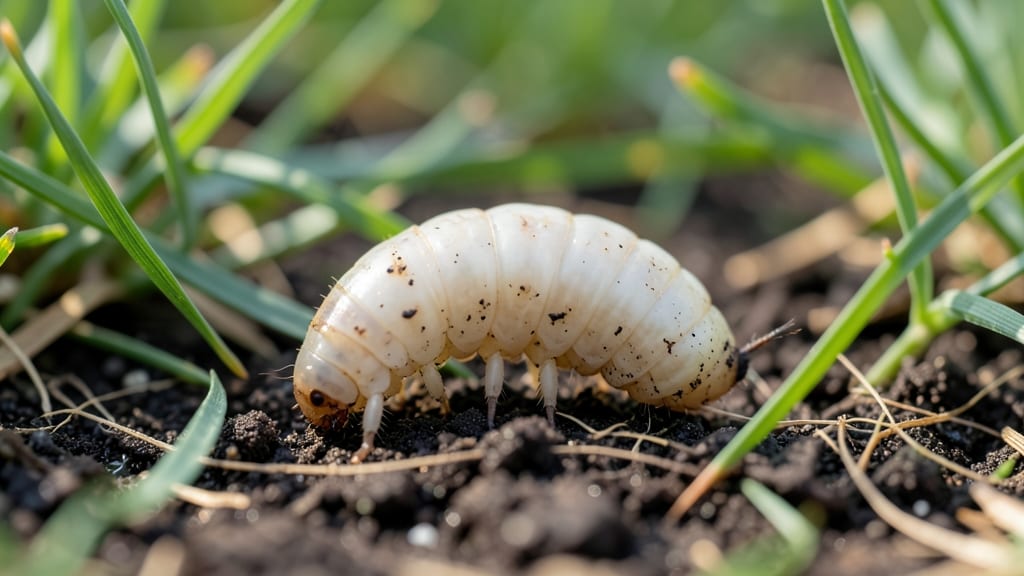
What causes grubs in lawns turns lush green grass into patchy brown wastelands overnight. 🌱 The culprits are white, C-shaped larvae from beetles—like Japanese beetles or June bugs—that feast on grass roots, leaving your yard looking like a drought-stricken desert even when the soil is moist. These pests thrive in moist, organic-rich soil, multiplying exponentially when left unchecked.
You’ll spot the damage first as irregular brown patches that don’t recover after watering, or grass pulling up easily like sod. The real giveaway? Thousands of tiny white grubs wriggling in the soil when you dig up a patch—proof your lawn’s roots are under siege.
Without intervention, these pests can devour an entire lawn in just a few months, costing you time, money, and that perfect green carpet feel.
Prevention starts with proper lawn care: mow high, aerate regularly, and reduce thatch buildup. For existing infestations, beneficial nematodes or milky spore offer organic control, while insecticidal treatments provide faster results.
The key is acting before the damage spreads—because once your lawn starts looking like a buffet for grubs, it’s already too late for half the grass.
Whether you’re dealing with a new infestation or just want to avoid it, this guide covers the lifecycle, warning signs, and sustainable solutions—so you can keep your lawn thriving without resorting to harsh chemicals. Let’s get that grass back in fighting shape.
How Grubs Invade Your Lawn
Grubs don’t just appear out of nowhere—they’re the result of a sneaky life cycle that starts with Japanese beetles and other scarab beetles. Understanding why they show up in your lawn helps you stop them before they turn your green space into a chewed-up mess.
Here’s the science behind their invasion:
---
The first step? Adult beetles (like Japanese beetles or June bugs) lay eggs in late spring to early summer.
They target: - Warm, well-drained soil (60–80°F is ideal for egg-laying). - Sunny lawns (shady areas are less attractive). - Thin or stressed grass (weaker turf makes it easier for them to dig).
💡 Pro Tip: If your lawn has bare spots or patchy grass, beetles love those weak areas—fixing soil compaction or overseeding can deter them.
---
Once laid, grub eggs hatch in 1–2 weeks, depending on temperature.
The larvae (grubs) then: - Feed on grass roots for 4–6 weeks before pupating. - Burrow deeper (1–4 inches down) as they grow, making them harder to spot. - Thrive in moist, organic-rich soil (compost or thatch layers are grub buffets).
🔥 Warning: If your lawn has excess thatch (a thick layer of dead grass), grubs will flock there—consider dethatching to disrupt their habitat.
---
Grubs are weather-dependent.
Key factors that encourage outbreaks: | Condition | Why It Helps Grubs | How to Counter It | |---------------------|-------------------------------------------------|-------------------------------------| | Hot, humid summers | Eggs hatch faster in warm soil. | Water deeply but less frequently to avoid over-moisture. | | Heavy rainfall | Softens soil, making it easier for beetles to lay eggs. | Improve drainage if your lawn stays soggy. | | Drought stress | Weakens grass, making roots easier to eat. | Irrigate evenly to keep grass healthy. | | Late summer heat | Grubs grow fastest in 75–85°F soil. | Apply grub control in early summer (before eggs hatch). |
✨ Smart Move: If your area has a history of grub problems, treat in June—that’s when beetles are most active.
--- A thriving lawn isn’t just about looks—it’s your first line of defense.
Grubs target: - Weak or newly seeded grass (tender roots = easy meals). - Lawns with high nitrogen fertilizer (grubs love lush, fast-growing grass). - Compacted or poorly aerated soil (grubs can’t be easily removed by birds or predators).
👨🍳 Action Step: Aerate your lawn in spring to break up compacted soil—this makes it harder for grubs to hide and easier for natural predators (like birds) to find them.
--- Grubs have enemies—birds, toads, and beneficial nematodes—but if these predators are missing, grub populations explode. Common reasons predators disappear: - Overuse of broad-spectrum pesticides (kills helpful bugs too). - Fewer birds due to habitat loss or window collisions. - Dry or bare soil (predators avoid tough terrain).
🎯 Solution: Plant native grasses and flowers to attract birds and beneficial insects. Even a small birdbath can help!
--- Sometimes, we accidentally invite grubs: - Overwatering (keeps soil too moist for beetles to leave but perfect for eggs). - Leaving grass clippings in thick layers (grubs hide in thatch). - Ignoring early signs (yellow patches? That’s grub damage calling for action).
🔪 Quick Fix: If you see squirrels or skunks digging up your lawn, grubs are already there—act fast with a grub control treatment.
Grub Control Solutions That Work
Grubs may seem like a tiny nuisance, but they can wreak havoc on your lawn if left unchecked. The good news? With the right approach, you can eliminate existing grubs and prevent future infestations—without breaking the bank or resorting to harsh chemicals.
Below, we’ve broken down targeted fixes based on the most common causes of grub problems, from organic fixes to chemical interventions, plus prevention tips to keep your lawn healthy long-term.
---
If your lawn stays too soggy for long periods, it creates the perfect breeding ground for grubs. Japanese beetle larvae and other grubs thrive in wet, loose soil, so improving drainage is step one.
How to Fix It: ✅ 🔧 Adjust Watering Habits - Water deeply but less frequently (1–1.5 inches per week, including rain). - Water early in the morning to reduce evaporation and fungal risks. - Avoid daily light watering, which keeps soil damp and attracts grubs.
✅ 🏗️ Improve Soil Drainage - Aerate compacted soil in fall or spring using a core aerator (rent one or hire a pro). - Add organic matter like compost or peat moss to help soil absorb and drain water better. - Check for clay buildup—if water pools after rain, consider gypsum or sand top-dressing (follow local soil test recommendations).
✅ 🌱 Choose Drought-Tolerant Grasses - Grubs love lush, soft grasses like Kentucky bluegrass and tall fescue. Switch to grub-resistant varieties like zoysia, buffalo grass, or fine fescue if possible.
💡 Pro Tip: Test your soil’s percolation rate—dig a 6-inch hole, fill with water, and time how long it drains. If it takes more than 6 hours, drainage is likely the issue.
---
Japanese beetle grubs are the #1 culprit for lawn damage, and they’re tough to spot until it’s too late. If you’ve confirmed grubs (via digging or mole activity), act fast with these effective treatments.
How to Fix It: ✅ 🌿 Organic & DIY Methods (Best for Small Infestations) - 🐛 Beneficial Nematodes (Heterorhabditis bacteriophora) – Microscopic worms that paralyze and kill grubs naturally. Apply in late summer or early fall when grubs are young. - How to apply: Mix with water and spray on lawn in the evening (they die in sunlight). Reapply every 4–6 weeks. - **🍄 Milky Spore (Bacillus popilliae) – A long-term biological control that infects Japanese beetle grubs. Takes 1–3 years to establish but provides decades of protection**. - Best for: Heavy infestations in mid-Atlantic and Midwest regions. - 🌿 Neem Oil Spray – Not a grub killer, but it deters adult beetles from laying eggs. Mix with water and spray foliage in late June–July.
✅ 💊 Chemical Treatments (Fast & Effective) - 🔪 Imidacloprid (Merit®) – A systemic insecticide that moves through grass roots, killing grubs when they feed. Apply in early spring or fall (before/after grub hatching). - 🔪 Chlorantraniliprole (Scotts GrubEx®) – A neonicotinoid alternative that’s safer for pets and kids once dry.
Works well for Japanese beetle and mask grub control. - 🔪 Carbaryl (Sevin®) – A contact insecticide that kills grubs on sight. Best used after digging up and treating infested areas.
💡 Pro Tip: Timing is everything! Apply treatments before grubs hatch (late spring) or right after (early summer). Fall applications (September–October) catch young grubs before they mature.
---
Not all grubs are Japanese beetle larvae—masked chafers, June bugs, and black turfgrass ataenius also cause damage. These pests hatch at different times, so rotate treatments for best results.
How to Fix It: ✅ 📅 Know Your Grub’s Life Cycle | Grub Type | Hatching Time | Best Treatment Window | |------------------------|-------------------------|---------------------------------| | Japanese Beetle Grubs | Late June–July | Early spring (April) or fall (Sept) | | Masked Chafers | July–August | Late spring (May–June) or fall (Oct) | | June Bug Grubs | June–July | Early summer (June) or fall (Sept) | | Black Turfgrass Ataenius| Year-round (peaks fall) | Spring (March–April) or fall (Sept–Oct) |
✅ 🔄 Rotate Treatments to Prevent Resistance - Year 1: Imidacloprid (Merit®) - Year 2: Chlorantraniliprole (Scotts GrubEx®) - Year 3: Beneficial nematodes + milky spore - Year 4: Repeat cycle
✅ 🌱 Encourage Natural Predators - 🦋 Birds (robins, starlings, grackles) – They love eating grubs!
Install a bird bath to attract them. - 🐛 Toads & Frogs – Create a small pond or shallow water feature to lure them in. - 🐝 Bees & Wasps – Some species parasitize grub eggs. Avoid pesticides that harm them.
💡 Pro Tip: If you see moles or skunks digging, they’re eating grubs—this is a good sign! But if their tunnels damage roots, trap them humanely and treat the grubs first.
---
A healthy lawn is less appealing to grubs. If your grass is thin, weak, or over-fertilized, grubs will move in like uninvited guests.
How to Fix It: ✅ 🌱 Improve Lawn Health with Proper Care - 💪 Overseed bare spots in early fall with grub-resistant grass seed. - ⚖️ Balance nitrogen fertilizer – Too much softens grass, making it easier for grubs to feed. Use a slow-release, organic fertilizer like milorganite. - ✂️ Mow high (3–4 inches) – Taller grass shades soil, keeping it cooler and less attractive to grubs. - 🪴 Dethatch if needed – A thick thatch layer traps moisture and grubs. Dethatch in late spring or early summer.
✅ 🚫 Avoid Common Lawn Mistakes - ❌ Don’t overwater – Grubs love soggy soil. - ❌ Don’t use too much weed killer – Weak grass = grub buffet. - ❌ Don’t ignore thatch buildup – It hides grubs and makes them harder to treat.
💡 Pro Tip: Soil testing (via your local Cooperative Extension Service) can reveal nutrient deficiencies that make lawns grub magnets. Fix phosphorus and potassium levels first!
--- Timing is everything when battling grubs. Miss the window, and you’ll be fighting a full-blown infestation next year.
| Month | Action | |------------------|---------------------------------------------------------------------------| | April–May | Preventative treatment (imidacloprid, chlorantraniliprole) before grubs hatch. | | June–July | Monitor for adult beetles (handpick or use neem oil). | | August–Sept | **
Frequently asked questions about lawn grubs
How do I know if my lawn has grubs?
Look for irregular brown patches that don’t recover after watering, or grass that pulls up easily like sod. Dig up a small section—if you find white, C-shaped larvae (1/4–1/2 inch long), those are grubs. Other signs include increased mole or skunk activity (they eat grubs) and thin, patchy grass in otherwise healthy lawns.
Can grubs kill my entire lawn?
Yes, if left untreated, grubs can devour an entire lawn in just 2–3 months. They feed on grass roots, causing the grass to wither and die. A severe infestation can leave your lawn looking like a drought-stricken desert, even when soil moisture is normal. Early treatment is key—once damage spreads, recovery takes time and effort.
Are grubs harmful to humans or pets?
No, grubs are not dangerous to humans or pets. However, some chemical treatments (like carbaryl) can be toxic if ingested or inhaled. Always follow product instructions, keep pets off treated lawns until dry, and opt for organic solutions (like beneficial nematodes) if you have young children or animals that roam freely.
What’s the best time of year to treat grubs?
Apply treatments in early spring (April–May) or late summer (August–September). This catches grubs before they hatch (spring) or when they’re young and vulnerable (fall). Avoid treating in peak summer heat—chemicals work best when soil temps are 60–80°F. For organic options, nematodes are most effective in warm, moist soil.
Will overwatering make grubs worse?
Grubs thrive in moist, loose soil. Overwatering keeps soil damp, creating the perfect breeding ground for beetles to lay eggs and grubs to feed. Water deeply but less frequently (1–1.5 inches per week) and avoid daily light watering. Improve drainage by aerating compacted soil and adding organic matter like compost.