
Lawn
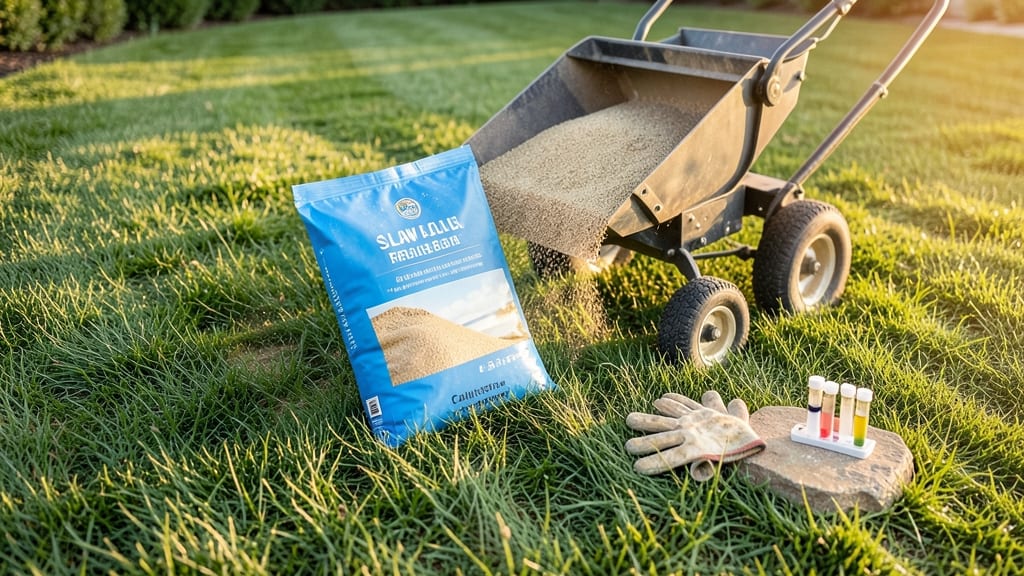
Fertilizing your lawn in the spring at the wrong time can either wake up dormant grass too early or burn tender roots before they’re ready to grow.
Spring lawn care can make or break your yard’s health—timing your first fertilizer application wrong risks burning tender grass or wasting nutrients. The secret? Waiting for the right soil temperature before that first mowing.
Most homeowners rush to fertilize as soon as the snow melts, but cool soil (below 50°F) locks nutrients in place, forcing roots to work harder. Meanwhile, warm soil (above 60°F) triggers rapid growth, but if your grass hasn’t broken dormancy yet, you’ll end up with patchy, weak blades.
Below, I’ll walk you through the exact soil temp ranges to watch for, how to test your lawn without a fancy thermometer, and a step-by-step schedule for cool-season vs. warm-season grasses—so you never fertilize too early (or too late) again.

Optimal soil temperature for spring lawn fertilization (with exact degrees)
Timing your spring lawn fertilization based on soil temperature—not just calendar dates—is the key to avoiding fertilizer burn and maximizing root growth. When soil is too cold, nutrients sit idle, while warm soil activates microbial activity that helps your grass absorb them.
The ideal window is when soil reaches 50°F–60°F, but regional climates shift this timeline dramatically.
Most lawns in USDA Zones 5–7 (common in northern states) hit this range by mid-to-late April, while southern zones (8–10) may see it as early as February.
Cool-season grasses like Kentucky bluegrass and fescue need warmer soil to break dormancy, while warm-season grasses like Bermuda or Zoysia tolerate slightly cooler temps but still benefit from 55°F+ soil.
Here’s why soil temperature matters: Cold soil (below 50°F) slows microbial activity, preventing your grass from absorbing nutrients. Warm soil (above 60°F) can cause salt burn as fertilizer salts concentrate near roots. The 50°F–60°F sweet spot balances safety and effectiveness.
Regional variations are critical—northern climates may need to wait until late April or May, while southern lawns can fertilize as early as February. Check your USDA Hardiness Zone and local last frost date for a baseline, then adjust based on soil warmth.
You don’t need a fancy soil thermometer. Test your soil by pushing a meat thermometer (cleaned!) 4 inches deep in the ground on a shady, moist day. If it reads 50°F–60°F, it’s time to fertilize.
For a no-tool trick, press your hand into the soil—if it feels cool but not icy, your lawn is likely ready.
| Soil Temp Range (°F) | Grass Type | Fertilization Window | Risk if Applied Too Early |
|---|---|---|---|
| Below 50°F | Cool-season (Kentucky bluegrass, fescue) | Wait 2–4 weeks | Fertilizer burn, nutrient waste |
| 50°F–60°F | Cool-season grasses | Ideal time | Safe absorption, root growth |
| 55°F–65°F | Warm-season (Bermuda, Zoysia) | Early spring (Feb–Mar) | Minimal risk, faster uptake |
| Above 60°F | All grasses | Wait until fall | Salt burn, stress |
If your soil is below 50°F, wait—even if your grass looks green. Cool-season grasses like tall fescue may break dormancy earlier, but their roots stay dormant until soil warms. A slow-release fertilizer (like 24-0-5) is safer than quick-release options in borderline temps.
For northern climates, combine soil temp checks with grass color: If your lawn is green but spongy (a sign of early growth), it’s likely ready.
In southern zones, fertilize 2–4 weeks after your last frost date, even if soil is still cool—warm-season grasses like St. Augustine thrive with 55°F+ soil.
Pro tip: Pair fertilization with early morning watering to help nutrients penetrate soil. Avoid afternoon watering—it increases fungal risk and evaporates faster. If you’re unsure, split your fertilizer into two light applications 2 weeks apart for safer results.
Remember, soil temperature ≠ air temperature. A sunny 60°F day can hide 45°F soil, while a cloudy 50°F day might have 55°F soil. Always check with your hand or thermometer before applying fertilizer.
Once your soil hits the 50°F–60°F range, your grass will thank you with vibrant green growth and fewer weeds. Timing isn’t just about when—it’s about how the soil responds.
Step-by-Step timeline: when to fertilize after first mowing (by grass type)
Timing your first spring fertilization depends entirely on your grass type—cool-season or warm-season—and your USDA climate zone. Get it wrong, and you’ll either burn tender grass or waste nutrients before roots wake up. Let’s break it down by type so you can fertilize at the perfect moment.
For cool-season grasses (like Kentucky bluegrass, fescue, or ryegrass), your window opens 4-6 weeks after dormancy, typically in early to mid-spring (March–April in most zones). Warm-season grasses (Bermuda, Zoysia, St. Augustine) wait until soil temps hit 65°F+, usually late spring to early summer (May–June).
- 🌱 Step 1: Test Soil Temperature – Use a soil thermometer (or the back-of-your-hand test). Cool-season: 50–55°F. Warm-season: 65°F+.
- ✂️ Step 2: First Mowing – Wait until grass reaches 3–4 inches after dormancy. This signals active growth.
- 📅 Step 3: Fertilize 7–14 Days Post-Mow – Apply high-nitrogen fertilizer (24-0-5) when soil is warm but not scorching.
- 💧 Step 4: Water Deeply – Soak the lawn 1 inch within 24 hours to activate nutrients and prevent burn.
- 🌡️ Step 5: Adjust for Climate Zones – Northern zones (USDA 3–5): Fertilize 2–3 weeks earlier. Southern zones (6–10): Delay until May–June.
- 🔄 Step 6: Repeat Every 6–8 Weeks – Use a slow-release formula to avoid overfeeding during peak growth.
Pro tip: If you’re using pre-emergent herbicide (to block weeds), apply it 2 weeks before your first fertilization—never at the same time. The two products can neutralize each other and leave your lawn vulnerable.
After fertilizing, keep an eye out for yellowing tips or crunchy blades—signs of overapplication. If you see these, flush the lawn with 1–2 inches of water to dilute excess nutrients. Cool-season grasses need 3–4 feedings per year, while warm-season types thrive with 2–3 lighter applications.
Remember, climate zone shifts timelines. In USDA Zone 5, fertilize by late April. In Zone 9, wait until mid-May. Always check your local cooperative extension service for hyper-local advice—microclimates matter!