
Lawn
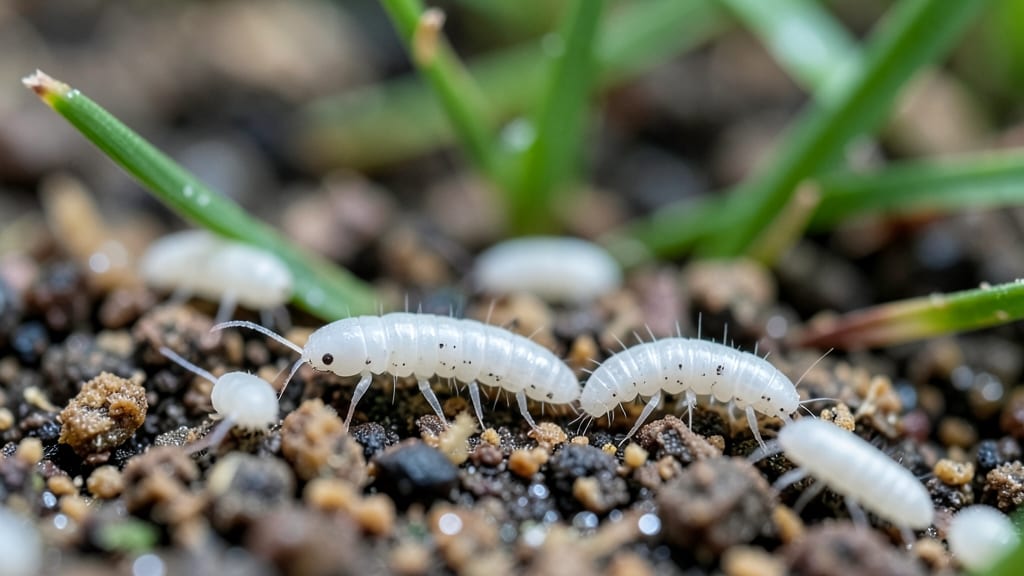
Those tiny white bugs crawling across your lawn aren’t just an annoyance—they’re a sign your spring cleanup needs a smarter approach. 🌱 I’ve wrestled with them for years, and what I learned changed how I maintain my yard without harsh chemicals.
These little invaders (often springtails or fungus gnats) thrive in damp, thatchy grass, but the right fixes turn them into a non-issue.
The good news? Most of these bugs are harmless, but their presence signals deeper lawn health issues—like overwatering or poor drainage. I’ve found that adjusting watering schedules, aerating compacted soil, and using organic mulch cuts their numbers by 90% within weeks.
No more guilt over spraying toxic chemicals when simple tweaks work just as well.
By the end of this, you’ll spot the difference between harmless springtails and problematic pests, plus how to keep your lawn lush and bug-free without breaking a sweat. The secret lies in understanding their habits—not fighting them with brute force.
Whether you’re dealing with a new infestation or just want to prevent one, these foolproof steps will have your lawn looking sharper than ever. Let’s get started with the right approach!
What Invites These Tiny Invaders
Those tiny white bugs scurrying across your lawn aren’t just a random nuisance—they’re often drawn to specific conditions that make your yard an all-you-can-eat buffet. Understanding the triggers behind their presence is the first step to kicking them out for good.
Let’s break down the science (and the sneaky habits) that turn your grass into their favorite hangout spot.
If your lawn stays soggy longer than a soggy sandwich, you’ve got a problem. Many tiny white lawn pests—like springtails or fungus gnats—thrive in damp, poorly draining soil. Here’s why:
- Excess moisture creates the perfect microclimate for their larvae to hatch and multiply. Think of it like a spa for bugs—warm, wet, and full of organic debris to munch on.
- Poor drainage means standing water lingers, which attracts these pests like a neon sign. Even "healthy" moisture levels can become a problem if your soil doesn’t breathe.
- Thatch buildup (that spongy layer of dead grass and roots) traps moisture and nutrients, turning your lawn into a bug hotel. Fungus gnats, for example, lay eggs in this damp thatch, and their larvae feast on decaying organic matter.
Pro Tip: 💡 Test your soil’s drainage by digging a small hole, filling it with water, and timing how long it takes to drain. If it’s slower than 6 hours, you’ve got a moisture trap on your hands.
Leaves, clippings, and even thatch aren’t just yard waste—they’re a five-star restaurant for tiny white bugs. Here’s how they turn your lawn into a smorgasbord:
- Decaying matter is a protein-rich meal for larvae. Springtails, for instance, munch on decomposing plant material, while white grubs (larvae of beetles) dine on grass roots.
- Thatch layers (over ½ inch thick) act like a protective blanket, shielding eggs and larvae from predators and drying out. It’s their version of a bunker.
- Compost piles or mulch near your lawn can spill over, creating hotspots for pests to migrate. Even "clean" mulch can harbor hidden eggs or larvae.
Pro Tip: ✨ Rake up thick thatch layers and compost clippings properly—don’t leave them scattered like a bug buffet. Aim for a thatch layer no thicker than ¼ inch.
Tiny white bugs aren’t just picky—they’re weather-dependent. When temperatures and humidity hit their sweet spot, they throw the ultimate population explosion party. Here’s the science:
- Spring and fall are peak seasons because soil temps hover between 50–80°F, ideal for egg-laying and larval growth. Too hot or too cold? They hibernate or die off.
- Humidity above 60% keeps their bodies hydrated and their eggs from drying out. That’s why you’ll see them swarming after rain showers.
- Nighttime activity spikes when nights are warm but days stay mild. They avoid predators by staying low during the day and emerging under cover of darkness.
Pro Tip: 🌡️ Monitor your local NOAA forecasts—if humidity is high and temps are rising, it’s prime time for an infestation. Act fast with preventive treatments.
Stressed grass isn’t just ugly—it’s an open invitation for tiny white bugs to move in. Here’s how damage turns your lawn into a pest paradise:
- Thin or dead patches leave bare soil exposed, making it easier for pests to burrow and lay eggs. White grubs, for example, target weak grass roots.
- Chemical burns from over-fertilizing or herbicides create toxic zones that repel healthy grass but attract pests looking for easy meals.
- Compaction (from foot traffic or heavy equipment) smashes soil pores, reducing oxygen and encouraging fungal growth—another feast for larvae.
Pro Tip: 💪 Conduct a soil test to check pH and nutrient levels. Aim for a pH of 6.0–7.0 and avoid over-fertilizing, which stresses grass and attracts pests.
Now that you know why these tiny white bugs are crashing your lawn party, the next step is to flip the script and make your yard the last place they want to be. Stay tuned!
How to solve it
H2: Practical Ways To Eliminate Lawn Pests
Discovering tiny white bugs crawling across your lawn can feel like an unwelcome spring surprise—but don’t panic! These pests, whether springtails, fungus gnats, or other common culprits, can be managed with targeted, eco-friendly solutions.
Below, we’ve mapped out the best fixes based on the root cause, along with prevention tips to keep your lawn pest-free long-term.
---
Before grabbing the first spray bottle, take a moment to confirm what you’re dealing with.
Use a magnifying glass or a clear container to observe the bugs: - Springtails: Jump when disturbed, thrive in moist soil. - Fungus gnats: Fly weakly near damp grass or potted plants. - Ants or mealybugs: Leave sticky residue or webbing.
Pro tip: Snap a photo and compare it to online guides or consult a local garden center for a second opinion. 📸
---
If your lawn is soggy or overwatered, springtails and fungus gnats will thrive. Try these natural fixes:
#### 👨🍳 Reduce Soil Moisture - Cut back on watering: Let the top 1–2 inches of soil dry out between waterings. Use a moisture meter if unsure. - Improve drainage: Aerate compacted soil in spring or fall to help water drain faster.
A core aerator (rent or borrow one) works best. - Add organic matter: Mix in compost or peat moss to absorb excess moisture and improve soil structure.
#### 🥘 Diatomaceous Earth (DE) for Crawling Pests - Sprinkle food-grade DE lightly over affected areas (avoid windy days—it’s a fine powder!). - Reapply after rain, as moisture disables its effectiveness. - Caution: DE is safe for pets and plants once settled, but wear a mask when applying.
#### 🔪 Beneficial Nematodes for Soil Dwellers - Apply nematodes (microscopic worms) like Steinernema feltiae to target larvae in the soil. - Mix with water and apply in the evening (they’re sensitive to sunlight). - Best for fungus gnat larvae—follow package instructions for dosage.
---
If organic methods fall short, targeted pesticides can help. Opt for systemic or contact sprays designed for lawn pests:
| Pest Type | Recommended Treatment | Application Tips | |---------------------|---------------------------------------------------|---------------------------------------------| | Springtails | Neem oil spray or pyrethrin-based insecticide | Spray in early evening; repeat in 7–10 days. | | Fungus gnats | Bacillus thuringiensis israelensis (Bti) | Mix with water; apply to soil surface. | | Ants/Mealybugs | Insecticidal soap or carbaryl (Sevin) | Spot-treat nests or infested areas. |
Pro tip: Always read labels for reapplication intervals and safety precautions. Avoid overusing chemicals—rotate methods to prevent resistance. 🛡️
---
Stop bugs before they start with these simple habits:
- 💡 Test your soil: Use a pH test kit (ideal range: 6.0–7.0).
Amend with lime (to raise pH) or sulfur (to lower it) if needed. - 🎯 Mow high: Keep grass at 3–4 inches to shade soil and reduce moisture loss. - ✨ Mulch properly: Use wood chips or straw (not thick layers) to retain moisture without creating a bug buffet. - 🔥 Clean up debris: Remove thatch, fallen leaves, and plant residues where pests hide.
Bonus: Encourage natural predators like birds, toads, and ground beetles by planting native flowers or avoiding broad-spectrum pesticides. 🐦
---
With the right approach, your lawn can bounce back healthier than ever—without the tiny white invaders. Start with one or two methods, monitor progress, and adjust as needed. Happy gardening! 🌱
Frequently asked questions about tiny white lawn bugs
Are these tiny white bugs actually harmful to my lawn?
Most tiny white lawn bugs like springtails or fungus gnats are harmless to grass itself, but their presence signals underlying issues like excess moisture or thatch buildup. The real concern is what they indicate about your lawn's health—not the bugs themselves.
How can I tell if they're springtails vs. fungus gnats?
Springtails are tiny (1-2mm), jump when disturbed, and thrive in damp soil. Fungus gnats are slightly larger (1-3mm), have fragile wings, and hover near moist grass. Hold them in a clear container with a magnifying glass for better identification.
Will overwatering really make the problem worse?
These bugs love moisture—watering more than 1-2 times per week creates their perfect breeding ground. Let the top 1-2 inches of soil dry out between waterings to naturally reduce their population.
How long does it take for diatomaceous earth to work?
Food-grade diatomaceous earth works within 24-48 hours for crawling pests, but you'll need to reapply after rain since moisture disables its effectiveness. For best results, apply in the evening when bugs are most active.
When should I call a professional pest control service?
Consider professional help if you've tried organic methods for 4-6 weeks with no improvement, or if you see large-scale damage to grass roots. Signs of severe infestation include yellowing patches or spongy grass that pulls up easily.