
Lawn
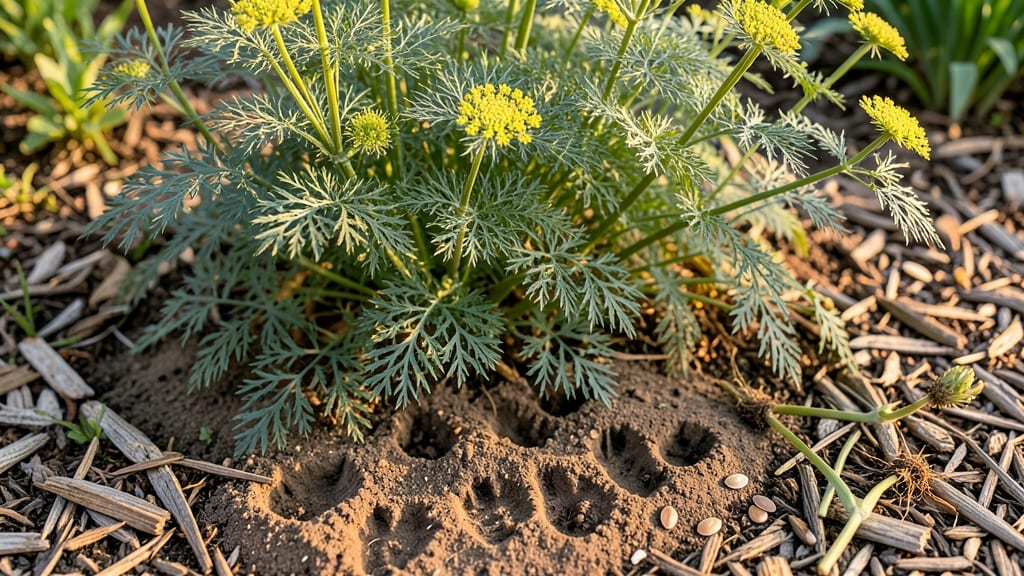
Armadillo lawn damage turns your carefully manicured yard into a moon crater landscape overnight. 🌕 I’ve spent three summers patching armadillo holes—each one a 12-inch-deep crater that ruins mowing and invites weeds. The good news? You can outsmart them without harming these protected creatures.
These armored diggers target grubs, insects, and roots, but their tunneling leaves behind unsightly holes and uneven turf. The worst part? They return night after night, drawn by the same food sources. Fencing, repellents, and habitat disruption are your best tools—all while keeping them alive and well.
First, fill holes with sand or compost to restore drainage, then patch with seed and sod. For prevention, install underground fencing (18 inches deep) or use humane repellents like castor oil or predator urine. My yard stayed armadillo-free for a full season after adding a chicken-wire barrier around the perimeter.
Regional differences matter—southern states see more activity in spring/fall, while northern armadillos dig deeper in summer. Always check local laws before deterring them. With the right approach, you’ll reclaim your lawn without turning these nocturnal visitors into roadkill.
Root Causes Of Lawn Disruption
Armadillos may seem like harmless, slow-moving creatures, but their nocturnal foraging habits can turn your well-manicured lawn into a battleground. Understanding why they target your yard—and what drives their behavior—is the first step to reclaiming it.
Here’s a breakdown of the key factors that turn your grass into an armadillo buffet.
Armadillos are omnivorous insectivores, meaning their diet is roughly 70% insects (like grubs, beetles, and ants) and 30% plant matter. Your lawn becomes a prime target because:
- Grub-heavy soil: If your lawn has a history of Japanese beetle grubs, white grubs, or other larval pests, armadillos will dig relentlessly to access them. A single armadillo can consume 40,000 insects per night, often leaving behind crater-like holes in their wake.
- Mulch and organic debris: Piles of wood chips, fallen leaves, or compost attract armadillos because they harbor insects, eggs, and larvae. Even a small mulch bed near your foundation can become a magnet.
- Lawn irrigation: Overwatered or poorly drained lawns create soft, easy-to-dig soil, making it simpler for armadillos to uncover hidden food sources. Moisture-rich areas also attract the insects they prey on.
Actionable insight: If you’ve noticed an uptick in armadillo activity after treating your lawn for grubs, the pests may have drawn them in. Consider soil tests or grub monitoring to confirm their presence.
Armadillos are solitary creatures that require secure nesting sites, especially during mating season (spring) and colder months. Your yard may unknowingly offer:
- Undisturbed ground cover: Dense grass, leaf litter, or unkempt areas provide ideal hiding spots. They prefer low-traffic zones, like the edges of your property or under shrubs.
- Burrowing opportunities: Loose, sandy, or clay-heavy soil makes it easier for armadillos to dig shallow dens (1–2 feet deep). If they’ve already tunneled in your yard, they’re more likely to return.
- Proximity to water: Ponds, birdbaths, or even leaky sprinkler systems attract armadillos because they need to drink daily. A reliable water source increases their likelihood of staying.
Pro tip: 🔍 Look for signs of digging—small mounds of dirt, fresh tracks, or disturbed mulch—near structures, sheds, or garden beds. These are prime nesting zones.
Armadillos are crepuscular (most active at dawn and dusk) but become fully nocturnal in urban areas to avoid humans. This shift in behavior explains why damage often goes unnoticed until morning:
- Moonlight and darkness: They rely on their keen sense of smell (they can detect grubs under 6 inches of soil) and vibrations to navigate. Dark yards with minimal lighting are easier to traverse undetected.
- Human disturbance avoidance: If they’ve been scared off by noise, pets, or lights in the past, they’ll return after dark to forage safely.
- Seasonal peaks:
- Spring: Mating season (March–May) increases their roaming range as males search for females.
- Summer: Dry conditions concentrate grubs near the soil surface, making them easier to find.
- Fall: Armadillos fatten up for winter, leading to more aggressive digging.
Key takeaway: If damage appears overnight or in specific patches, it’s likely due to a single armadillo (or a pair) with a routine foraging path.
Not all lawns are equally appealing to armadillos. Certain conditions make yours a high-risk target:
| Lawn Feature | Why Armadillos Love It | How to Reduce Appeal |
|---|---|---|
| Thin or patchy grass | Exposes soil and grubs; easier digging | Reseed bare spots with grub-resistant grass (e.g., tall fescue) |
| Overgrown edges or hedges | Provides cover for nesting and hunting | Trim vegetation 3 feet from structures to eliminate hiding spots |
| Compost piles or leaf litter | Harbors insects and moisture | Use metal bins for compost; rake leaves into piles away from the yard |
| Pet food or fallen fruit | Attracts armadillos like a buffet | Clean up spills immediately; store trash in sealed bins |
💡 Expert tip: Armadillos are not picky eaters—if your lawn has one of these vulnerabilities, it’s already at risk. Addressing multiple factors (e.g., grubs + shelter) will make your yard far less attractive.
Stop Armadillo Lawn Destruction Now
Armadillos may look harmless with their cute, armored shells, but their digging habits can turn your lawn into a mess overnight. 🐾💥 The good news? With the right approach, you can repel them, repair the damage, and prevent future chaos.
Below, we break down cause-specific fixes—plus proactive steps to keep these critters from turning your yard into their personal buffet.
---
#### 1. Digging for Food: Unearth Their Menu Armadillos are insectivores, and your lawn is their all-you-can-eat buffet. Grubs, worms, and beetle larvae are their favorite snacks, and their relentless digging exposes them.
How to Fix It: ✅ 🔪 Eliminate the Buffet - Apply grub control (like beneficial nematodes or neem oil) to starve out their food source. - Aerate your lawn in early fall to disrupt grubs’ underground parties.
✅ 🍳 Set Traps (Humane or Otherwise) - Live traps (check local laws!) baited with dog food or canned cat food work best. - Spike traps (like 18-inch steel spikes) can deter them if placed strategically near entry points.
💡 Pro Tip: Armadillos dig in straight lines—follow their tunnels to find the epicenter of the problem. Block off escape routes with hardware cloth buried 12 inches deep.
---
#### 2. Nesting & Shelter: Block Their Hideouts Armadillos love cool, dark spots under decks, sheds, or dense shrubs. If they’ve claimed your yard as their personal retreat, they’ll keep coming back.
How to Fix It: ✅ 🏠 Seal Entry Points - Inspect foundations, porches, and crawl spaces for gaps wider than 3 inches—seal them with steel wool + caulk. - Remove brush piles, leaf litter, and wood debris where they might nest.
✅ 🌡️ Make Your Yard Less Inviting - Install motion-activated sprinklers (like ScareCrow)—armadillos hate sudden water blasts. - Use predator urine (coyote or fox) around the perimeter—it mimics danger signals.
💡 Pro Tip: Ammonia-soaked rags placed near digging sites can repel them temporarily. Refresh every few days.
---
#### 3. Water & Soil Attraction: Dry Them Out Armadillos seek moist, soft soil—perfect for digging. If your lawn stays damp (from sprinklers, poor drainage, or shade), you’re rolling out the welcome mat.
How to Fix It: ✅ ⏰ Adjust Watering Habits - Water deeply but infrequently (early morning) to let soil dry between sessions. - Fix drainage issues—grade slopes away from your house and install French drains if needed.
✅ 🌱 Harden Their Target Zones - Lay down landscape fabric under mulch in garden beds to discourage digging. - Use gravel or crushed stone in high-traffic digging areas—armadillos dislike the texture.
💡 Pro Tip: Plant armadillo-resistant ground covers like clover or creeping thyme—they’re tough enough to deter diggers.
---
Even with repellents in place, your lawn may already look like a moonscape. Here’s how to restore it fast:
| Damage Type | Fix It With This | Prevent Next Time | |-----------------------|-----------------------------------------------|--------------------------------------| | Exposed Roots | Rake loose soil back gently, water deeply | Apply grass seed mix ASAP | | Puddles & Crater Holes | Fill with topsoil + sand mix, tamp down | Install drainage pipes if needed | | Dead Patches | Overseed with fast-germinating grass (like ryegrass) | Use pre-emergent herbicide in spring | | Uneven Terrain | Level with lawn patch mix, roll with a lawn roller | Aerate annually to prevent compaction |
💡 Pro Tip: Top-dress with compost after repairing to help grass recover faster.
--- Once you’ve kicked them out, don’t let them sneak back in. Layered defense is key:
1. 🌿 Maintain a Healthy Lawn - Mow high (3-4 inches)—taller grass hides grubs from armadillo radar. - Fertilize regularly to keep grass thick and unappealing.
2. 🚫 Remove Their Incentives - Eliminate standing water (armadillos love moisture). - Pick up fallen fruit—they’ll dig under trees for snacks.
3. 🔥 Use Natural Deterrents - Plant garlic or marigolds around the yard—they repel pests (and armadillos). - Spread cayenne pepper or red pepper flakes near digging sites (reapply after rain).
4. 🛡️ Install Physical Barriers - Buried chicken wire (1/2-inch mesh) around garden beds can block diggers. - Low fencing (2-3 feet tall) with an outward-facing overhang keeps them out.
--- Final Thought: Armadillos are opportunistic diggers, but with strategic repellents, lawn care tweaks, and a little elbow grease, you can reclaim your yard—and keep it that way. 🚀 Start with one or two fixes, monitor their behavior, and scale up as needed.
Your lawn (and sanity) will thank you!
Frequently asked questions about armadillo lawn damage
How can I tell if armadillos are digging in my yard?
Look for 12-inch-deep craters with smooth edges and loose soil piles nearby. You may also spot three-toed tracks (about 2 inches long) near the holes. Check under decks, sheds, or dense shrubs for shallow burrows—their nesting sites.
Are armadillos protected? Can I trap or kill them?
Most states protect armadillos—check local wildlife laws before acting. Humane live traps (baited with dog food) are the safest option. Never use poison or spikes, as they’re illegal in many areas and harm other wildlife. Relocate captured armadillos to natural habitats.
What’s the fastest way to repair armadillo holes?
Fill craters with a topsoil/sand mix (50/50 ratio), tamp firmly, then cover with grass seed. Water daily for 7 days to help roots establish. For urgent fixes, use sod patches secured with landscape staples.
Do motion-activated sprinklers really work against armadillos?
Yes! Armadillos hate sudden water blasts. Install ScareCrow-style sprinklers near high-traffic digging zones. Trigger them at dusk/dawn (their active times) for best results. Combine with other deterrents like predator urine for stronger protection.
Why do armadillos keep coming back after I’ve repaired my lawn?
They return because your yard still offers food (grubs) or shelter. First, treat for grubs with beneficial nematodes. Then, eliminate hiding spots by trimming overgrown areas and sealing entry points. Use ammonia-soaked rags near digging sites as a temporary repellent.