
Lawn
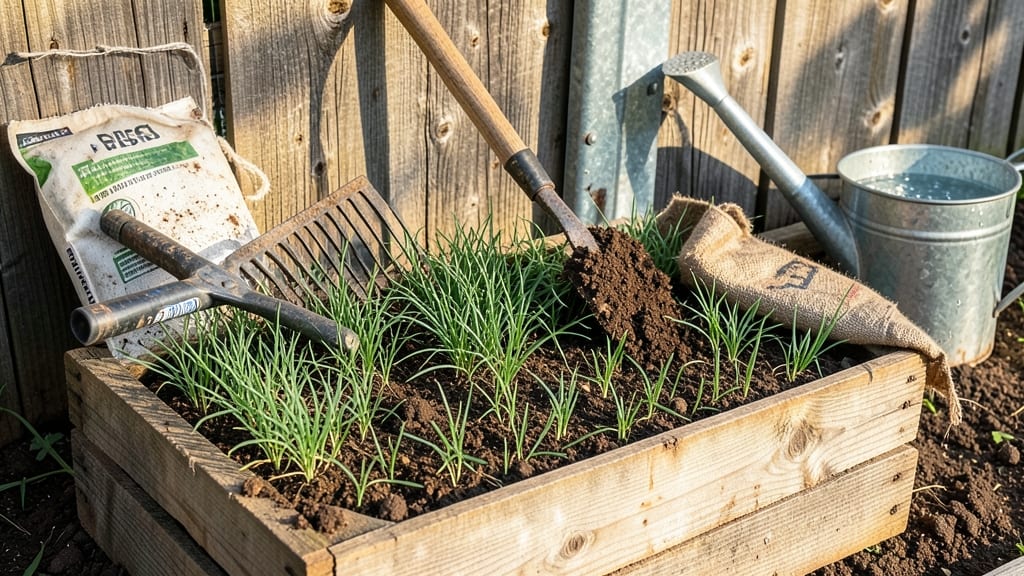
Fall is the perfect time to plant new lawns because cool-season grasses take root faster when soil temperatures drop. 🌱 I learned this the hard way after my spring planting failed—this time, I’m doing it right with the right timing and prep.
Cool-season grasses like Kentucky bluegrass and fescue thrive when planted in early fall, before the ground freezes. The key is prepping the soil right: till, level, and add compost for nutrients. Avoid spring planting—hot weather stresses young grass, leading to patchy growth.
You’ll see sprouts in 10-14 days with consistent watering, and by winter, roots will be deep and established. No more weak, thin lawns—just lush, resilient grass that outlasts summer heat and drought.
Works best in northern climates (zones 2-7), but even southern regions can plant in late fall for spring growth. Here’s how to make it happen without the guesswork.
📚 In This Guide
- What you need
- Instructions
- Tips and common mistakes
- Wrapping up and next steps
What you need
- ● Cool-season grass seed: Choose a high-quality blend (e.g., Kentucky bluegrass, fescue, or ryegrass) tailored to your climate. Quantity: ~8–12 lbs per 1,000 sq ft (check seed bag for exact coverage).
- ● Topsoil or compost: A 1–2 inch layer to improve soil quality. Type: Loamy, well-draining soil (amend with compost if needed).
- ● Starter fertilizer: High in phosphorus (e.g., 10-20-10 ratio) to encourage root growth. Quantity: Follow package rates for your lawn size.
- ● Lawn roller: 50–100 lb capacity to firm seed into soil.
- ● Water source: Hose with adjustable nozzle or sprinkler (for consistent moisture).
- ● Shovel or spade: For digging test holes (6-inch depth) and amending soil.
- ● Rake (bow or leaf rake): To level soil and remove debris. Tip: Use a stiff-bristle rake for rocky areas.
- ● Broadcast spreader: For even seed distribution (manual or drop-type).
- ● Garden hose with spray nozzle: For gentle watering (avoid blasting seeds).
- ● Knee pads or gloves: Because crawling in soil is way more fun with protection! 😉
- ● Soil test kit: Check pH and nutrient levels (ideal range: 6.0–7.0).
- ● Erosion control blanket: For slopes or sandy soil to hold seed in place.
- ● Lawn starter mat: Biodegradable mesh to protect seeds from birds.
- ● Organic mulch (straw):strong> Light layer (¼ inch) to retain moisture (avoid thick piles!).
Step-by-Step instructions for planting new lawn in fall
Fall is the perfect time to establish a lush, resilient lawn—here’s how to do it right.
🪴 Step 1: Prepare the Soil for Optimal Growth
Start by removing any existing vegetation, rocks, or debris from the area using a sod cutter or shovel. I like to rent a sod cutter for large spaces—it saves hours of backbreaking work. Once the ground is clear, loosen the top 6 inches of soil with a garden tiller or rototiller. This aerates the soil, allowing roots to penetrate deeply and water to drain properly.
Test your soil’s pH using a home test kit—cool-season grasses thrive in soil with a pH between 6.0 and 7.0. If your soil is too acidic or alkaline, amend it with lime or sulfur as needed before proceeding. For clay-heavy soil, mix in 2-3 inches of compost to improve drainage and fertility. Rake the area smooth afterward to create an even seedbed.
🌱 Step 2: Choose and Spread Grass Seed Correctly
Select a high-quality, cool-season grass seed blend suited to your climate and sun exposure. For most regions, a mix of tall fescue, Kentucky bluegrass, and perennial ryegrass works well. Spread half the seed in one direction (north to south) using a broadcast spreader set to the recommended rate on the seed packet. This ensures even coverage without overlapping.
After the first pass, spread the remaining seed perpendicular to the first (east to west). Lightly rake the area with a stiff-bristle rake to press seeds into the soil—just enough to cover them with ¼ inch of dirt. Avoid burying seeds too deeply, as they need light and moisture to germinate. For larger areas, divide the space into sections and work systematically to maintain consistency.
💧 Step 3: Water Gently and Consistently for Germination
Water the seeded area immediately after planting, using a fine mist setting on your sprinkler to avoid displacing seeds. Keep the soil evenly moist—never soggy—until germination occurs, which typically takes 7-21 days depending on the grass type and weather. I set a reminder to water twice daily (morning and evening) for the first week, applying enough water to moisten the top 1-2 inches of soil.
Once germination begins, you’ll see tiny green shoots popping through the soil. At this stage, reduce watering to once daily but increase the duration slightly to encourage deeper root growth. Avoid walking on the new lawn until the grass reaches 3-4 inches in height—this prevents seedling damage and ensures a uniform stand. A light layer of straw mulch (¼ inch) can help retain moisture and protect seeds from drying out.
☀️ Step 4: Maintain and Strengthen the New Lawn
After the grass reaches 3-4 inches tall, mow it to a height of 3-4 inches using a sharp mower blade. Never remove more than one-third of the grass blade at a time—this prevents stress and promotes thicker growth. Fertilize the lawn with a slow-release, cool-season fertilizer (apply rate per package instructions) about 6-8 weeks after seeding to support root development.
Continue watering deeply 1-2 times per week (about 1 inch per week) to encourage deep root systems. Avoid heavy foot traffic or playing on the lawn for at least 6-8 weeks to allow roots to establish. If weeds appear, pull them by hand or spot-treat with a pre-emergent herbicide in early spring—avoid post-emergent herbicides until the lawn is fully established.
⏰ Step 5: Transition to Regular Lawn Care
By late fall or early winter, your new lawn should be well-rooted and ready for seasonal adjustments. Reduce watering to once weekly (or as needed) once the grass enters dormancy, as cooler temperatures slow growth. In early spring, resume regular mowing and fertilizing to promote vigorous growth. Overseed any thin areas in late summer to early fall to maintain a dense, green lawn.
Here’s the thing—fall planting gives you a head start on next year’s lawn. The cooler temperatures and increased rainfall reduce watering demands while encouraging deep root growth. With consistent care, your lawn will be thicker, greener, and more resilient than spring-planted grass. Stick with it, and you’ll have a lawn to be proud of in no time.
Tips & tricks for planting a new lawn in fall
Fall planting gives you a head start on next year's lawn—here's how to make sure your cool-season grass thrives from day one.
Soil Prep Secret: Don't rush the soil preparation in Step 1. If your soil is particularly compacted, consider renting a core aerator after tilling to create even more channels for root growth. I've found this extra step makes a noticeable difference in how quickly grass establishes, especially in heavy clay soils. The goal is to create a loose, crumbly texture that mimics well-drained garden soil.
Seed Spreading Strategy: For Step 2, mark your lawn into 10-foot squares with stakes and string before spreading seed. This helps you maintain consistent coverage—especially important when you're working with multiple seed types. I've seen people miss entire sections when they don't divide large areas. The perpendicular spreading method in the instructions works best when you can visualize these sections clearly.
Germination Timing: The 7-21 day germination window in Step 3 can feel like an eternity, but here's what to watch for: After about 10 days, you should start seeing tiny sprouts if conditions are right. If you're not seeing any by day 14, check your soil moisture—it might need more frequent watering. I keep a small notebook near my sprinkler to track watering times and weather patterns during this critical period.
Watering Hack: Instead of relying on your sprinkler's timer, use a simple rain gauge to measure exactly 1 inch of water per week after germination begins. Most rain gauges have a clear tube where you can see the water level—fill it to the 1-inch mark each time. This ensures you're not overwatering or underwatering, which can both stress young grass roots.
Pro Tips for Planting New Lawn In Fall
- Fall planting gives you a head start on next year's lawn—here's how to make sure your cool-season grass thrives from day one.
- Soil Prep Secret: Don't rush the soil preparation in Step 1.
- Seed Spreading Strategy: For Step 2, mark your lawn into 10-foot squares with stakes and string before spreading seed.
Frequently asked questions
Got questions about planting a new lawn in the fall? You’re not alone! Here are some of the most common concerns—and their answers—to help you get started with confidence.
Why is fall the best time to plant a new lawn?
Fall is ideal for cool-season grasses (like Kentucky bluegrass, fescue, and ryegrass) because cooler temperatures and increased rainfall create perfect conditions for root growth. Fewer weeds, pests, and drought stress mean your grass stands a much better chance of thriving before winter sets in.
How long does it take for new grass to establish in the fall?
Most cool-season grasses take 4–6 weeks to germinate and 6–12 months to fully establish. By late fall or early spring, you’ll see a lush, mature look—but roots continue strengthening for months. Avoid heavy foot traffic until the grass is well-rooted (usually after mowing 3–4 times).
Is sod or seed better for a fall lawn project?
It depends on your timeline and budget! Sod gives instant results (great for high-traffic areas) but costs more upfront. Seed is cheaper and allows for better root development but takes longer to establish. For fall, seed is often preferred—just choose high-quality, disease-resistant varieties for best results.
How do I protect my new lawn from pests or weeds in the fall?
Prevention is key! Apply a pre-emergent herbicide in early fall to block weeds, and treat for grubs or chinch bugs if your area is prone to them. Keep soil moist (but not soggy) and avoid over-fertilizing, which can attract pests. A light layer of mulch or straw helps retain moisture and suppress weeds until grass fills in.
What if fall weather turns cold or rainy before my grass grows?
Don’t panic! Most cool-season grasses can handle light frosts and even light snow once established. If rain delays planting, wait until the soil is workable (not muddy). For extreme cold snaps, cover seed with a thin layer of straw or burlap until temperatures rise. Spring will give your lawn a strong second chance to fill in.
Can I overseed my existing lawn in the fall instead of planting new?
Overseeding is a great way to thicken thin or patchy lawns. Rake the area lightly, spread new seed, and keep it moist. Fall overseeding can also help crowd out weeds and improve grass density. Just choose a seed mix compatible with your current grass type for the best results.
Wrapping up and next steps
Fall is the perfect time to plant a new lawn—cool-season grasses thrive in these mild temperatures, giving you a lush, green yard by spring! 🌱 By following the right steps—preparing the soil, choosing quality seed, and keeping it moist—you’ll set your lawn up for success with minimal effort.
Now that you’re armed with the knowledge, grab your tools and get started—your future lawn will thank you!
Next step: Mark your calendar for a weekend project and enjoy the satisfaction of a vibrant, healthy lawn come spring!