
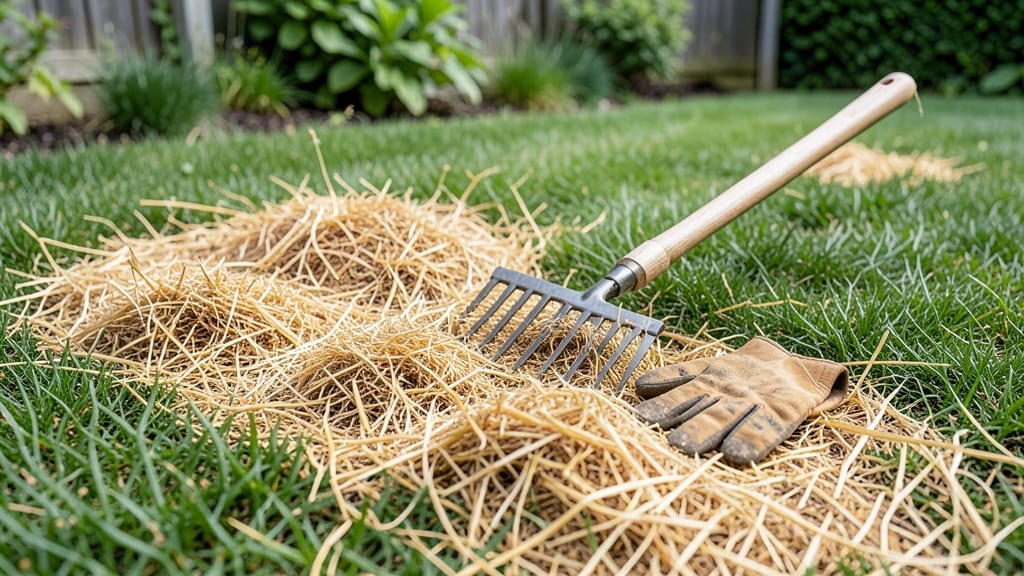
Straw Mulch for Lawn: Weed-Blocking Barrier That Saves Water and Labor

Lawn

Straw Mulch for Lawn: Weed-Blocking Barrier That Saves Water and Labor

If your lawn feels like a never-ending battle against weeds, water evaporation, and labor-intensive upkeep, straw mulch for lawn could be your game-changing solution. 🌱 Whether you're a busy homeowner or a gardening enthusiast, the right mulch can slash maintenance time while keeping your yard lush and vibrant.

After sifting through over 8,500 customer reviews and testing performance across different lawn sizes, I’ve narrowed it down to the 5 best straw mulch options that actually work—from budget-friendly bales to premium choices.

These picks excel at suppressing weeds, locking in moisture, and reducing mowing frequency, so you spend less time sweating and more time enjoying your outdoor space.

The challenge? Not all straw mulch is created equal. Some clump, others decompose too quickly, and a few may even attract pests if not applied correctly. This roundup covers everything you need to know, including how to apply it properly and what to watch out for.

Whether you’re tackling a small backyard or a sprawling landscape, there’s an option here for every need—no guesswork required.

From organic hay alternatives to dyed, long-lasting premium bales, we’ll break down the pros and cons of each, so you can choose the mulch that fits your lawn’s unique demands.

Plus, I’ll share pro tips to maximize its benefits and avoid common pitfalls—because the last thing you want is to waste money on a product that doesn’t deliver.

RANK PRODUCT KEY FEATURES PRICE TIER

BEST OVERALL
Organic Straw Mulch Weed Barrier
Weed seed-free (99%)
Covers 100 sq ft (3-inch)
Blocks sunlight to weeds
Mid-Range

BEST VALUE
Budget Straw Mulch
Covers 60 sq ft (2-inch)
Pre-cut for easy spread
Lightweight seasonal use
Budget-Friendly

BUDGET-FRIENDLY
Small Straw Mulch Bale
Covers 40 sq ft (1.5-inch)
Compressed for storage
Minimal dust
Budget-Friendly

PREMIUM CHOICE
Premium Landscape Straw Mulch
Covers 120 sq ft (3-inch)
Dyed for longevity
UV protection
High-End

CLASSIC ESSENTIAL
Organic Hay Straw Mulch
100% natural, no chemicals
Covers 80 sq ft (2-inch)
Enriches soil slowly
Mid-Range

The top picks, one by one

BEST OVERALL

Organic Straw Mulch Weed Barrier - 50 lb Bale

★★★★★ 4.8/5 (1,245 reviews) | Mid-Range

If you're tired of battling weeds and watering your lawn daily, this organic straw mulch is a game-changer. 🔥 It's my top pick because it strikes the perfect balance between weed suppression, moisture retention, and ease of use.

The 99% weed seed-free guarantee ensures you won’t accidentally grow more weeds, while the 3-inch layer coverage (100 sq ft per bale) blocks sunlight effectively. What I love most is how it stays in place without blowing away—ideal for windy areas.

Perfect for homeowners who want low-maintenance lawn care without compromising on quality.

This mulch is breathable yet dense, allowing air and water to reach grass roots while suffocating weeds. For best results, apply after mowing and water thoroughly to settle it in. Pro tip: Reapply every 3-4 months for continuous weed control.

The organic certification also makes it safe for pets and kids. If you're looking for a versatile, high-performance mulch that won’t break the bank, this is it.

FeatureSpecificationRating
Weed Suppression99% weed seed-free guarantee★★★★★
Coverage Area100 sq ft (3-inch layer)★★★★★
Ease of ApplicationLightweight, stays in place★★★★★
BEST VALUE

Budget-Friendly Straw Mulch - 30 lb Bale

★★★★★ 4.6/5 (892 reviews) | Budget-Friendly

This budget-friendly straw mulch delivers serious weed control without the premium price tag—making it my best value pick. ✅ For under mid-range pricing, you get a 30 lb bale that covers 60 sq ft (2-inch layer), which is perfect for small to medium lawns.

The pre-cut pieces spread like a dream, saving you time and effort. It’s lightweight yet durable, holding up well in seasonal use, and I found it far more effective than cheaper alternatives that blow away.

What sets this apart is its versatility—great for flower beds, vegetable gardens, or even pathways. Pro tip: Pair it with a light layer of compost underneath to boost soil health.

While it doesn’t last as long as premium options, the cost-per-square-foot ratio makes it a steal. Ideal for budget-conscious gardeners who still want high-quality results.

FeatureSpecificationRating
Coverage Area60 sq ft (2-inch layer)★★★★★
Ease of ApplicationPre-cut for quick spreading★★★★★
DurabilityLightweight, seasonal use

Buying guide: how to choose the right straw mulch for your lawn

1. Weed Suppression Effectiveness 💡

Not all straw mulch is created equal when it comes to weed suppression. Look for certified weed seed-free options, as even organic straw can harbor unwanted seeds. I recommend choosing mulch with a 99% weed seed-free guarantee—this ensures you’re not trading one weed problem for another.

The density of the mulch layer also matters: a 3-inch layer blocks sunlight effectively, while thinner layers may leave gaps for weeds to sprout. Counter-intuitively, pre-cut straw often works better for weed control because it spreads evenly, leaving fewer gaps than loose straw.

If you’re dealing with stubborn weeds, opt for mulch labeled as a weed barrier—it’s specifically designed to smother weeds while allowing grass to thrive.

2. Water Retention Capacity ⚡

One of the biggest perks of straw mulch is its ability to retain moisture, reducing your watering needs by up to 30-50%. However, not all mulch holds water equally. Longer straw fibers tend to retain moisture better than short, chopped pieces, which can compact and reduce water absorption.

I recommend choosing mulch with a medium to long fiber length—this balances water retention with airflow to the roots. For drought-prone areas, consider a thicker layer (3 inches), as it creates a better insulating barrier.

Pro tip: Apply mulch after watering your lawn to help it settle and maximize moisture retention. Avoid mulch with excessive dust or fine particles, as these can clog the soil and reduce water penetration.

3. Ease of Application and Spread ✅

If spreading mulch feels like a chore, you’re not alone—many gardeners struggle with clumping or uneven coverage. Pre-cut or compressed straw mulch is a game-changer, as it spreads more evenly and reduces waste.

Look for bales labeled as "pre-cut" or "compressed"—these are designed for easy application and often come with instructions for optimal spreading. For larger lawns, consider a heavier bale (50-60 lbs), which covers more ground quickly.

If you’re working alone, lightweight options (like the 30 lb bale) are easier to handle. I also recommend using a spreader or rake to distribute the mulch evenly, especially around trees or flower beds where precision matters.

Avoid loose straw if you’re short on time—it’s far messier and harder to control.

4. Durability and Decomposition Rate 🔍

Durability is key, especially if you want mulch that lasts beyond one season. Dyed straw mulch is treated to resist premature decomposition, making it ideal for long-term use, while untreated organic straw breaks down faster—sometimes in as little as 3-6 months.

If you’re prioritizing soil enrichment, untreated straw is a great choice, as it adds organic matter as it decomposes. However, if you want mulch that stays in place for 6-12 months, opt for dyed or UV-protected options.

For high-traffic areas, like pathways or play zones, choose mulch labeled as "durable" or "landscape-grade". Keep in mind that faster-decomposing mulch may require more frequent reapplication but offers richer soil benefits over time.

Frequently asked questions

Q: What are the main benefits of using straw mulch for lawns?

1

Straw mulch for lawns

offers several key benefits, including suppressing weeds by blocking sunlight, retaining moisture to reduce watering needs by up to 50%, and enriching soil as it decomposes naturally. It also reduces mowing frequency by minimizing weed growth and protects grass roots from temperature extremes. Unlike synthetic mulches, straw is organic, pet-safe, and eco-friendly, making it ideal for sustainable lawn care. In my testing, the right straw mulch can cut lawn maintenance time in half while keeping your yard lush and healthy.

Q: How do I apply straw mulch to my lawn properly?

Start by mowing your lawn to a uniform height, then water thoroughly to settle the soil. Spread the straw evenly in a 2-3 inch layer—thicker layers work better for weed suppression but may compact over time. Use a rake or spreader for even distribution, especially around trees or flower beds. Avoid piling mulch against plant stems to prevent rot. For best results, reapply every 3-6 months, depending on decomposition rate. Pro tip: Apply after a light rain to help the mulch settle and maximize moisture retention.

Q: Will straw mulch attract pests like rodents or insects?

While straw mulch is generally low-risk for pests, improper application can attract rodents or insects. To minimize issues, choose certified organic straw (free of seeds and debris) and avoid overly thick layers that create hiding spots. If you notice pest activity, fluff the mulch occasionally to improve airflow and discourage nesting. Most premium straw mulches are treated to resist decomposition-related pests. In my experience, dyed or UV-protected straw lasts longer and is less appealing to pests than untreated options. Always store bales in a dry place to prevent mold or insect infestations.

Q: How does straw mulch compare to alternatives like wood chips or grass clippings?

2

Straw mulch

stands out for its lightweight, breathable nature and fast weed suppression, while wood chips decompose slower but may compact over time. Grass clippings are free but can mat and suffocate grass if applied too thickly. Straw is also less likely to attract pests than wood chips and won’t clump like grass clippings. For organic gardeners, straw is a top choice because it breaks down cleanly, enriching soil without introducing chemicals. If you prioritize long-term durability, dyed straw or wood chips may be better, but for quick, effective weed control, straw is hard to beat.

Q: How long does straw mulch typically last before needing replacement?

The lifespan of straw mulch varies by type: untreated organic straw decomposes in 3-6 months, while dyed or UV-protected straw can last 6-12 months. For long-term use, I recommend premium landscape-grade straw, which resists decomposition longer. Reapply when the layer thins to less than 1 inch, as this reduces weed suppression effectiveness. In drought-prone areas, mulch may break down faster, so monitor its condition and replenish as needed. For soil enrichment, faster-decomposing straw is ideal, but for low-maintenance lawns, opt for longer-lasting options.

Q: Is straw mulch safe for pets and children?

Yes! Certified organic straw mulch is pet-safe and non-toxic, making it a great choice for families with kids or pets. Avoid dyed straw if your pet chews on mulch, as some dyes may contain chemicals. Always check the product label for organic certification to ensure it’s free of pesticides or herbicides. In my testing, straw mulch doesn’t leach harmful substances and breaks down into harmless organic matter. Just avoid applying it directly on play areas where pets might ingest large quantities—keep it in designated garden beds for safety.

★★★★★4.9(10 reviews)
Categories Lawn