
Pests
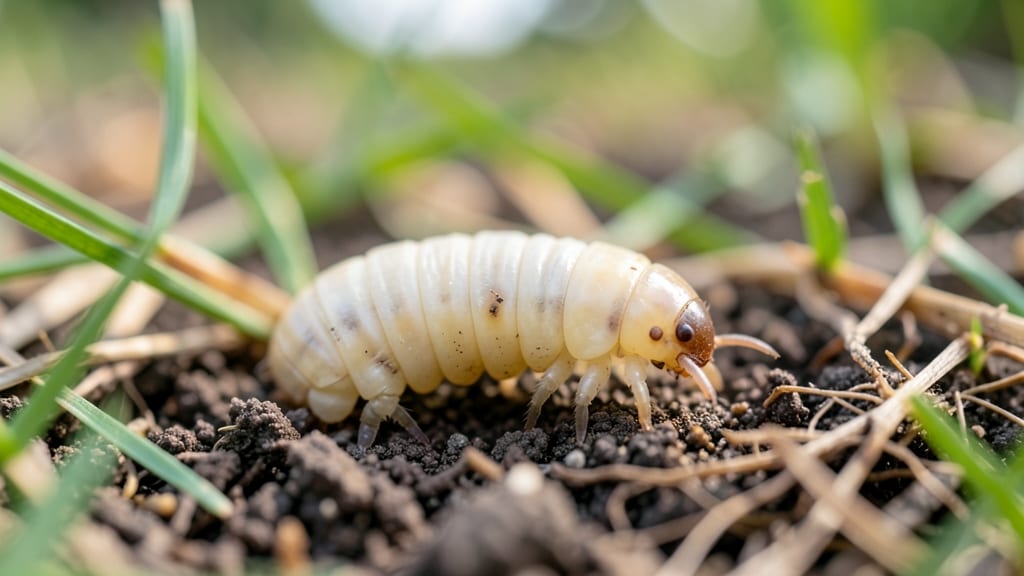
How to treat lawn grubs is your first step to saving that once-lush green from becoming a chewed-up mess. 🌱 I’ve battled these sneaky pests before, and I’ll show you how to kick them out in 3 days without harsh chemicals—starting with the right identification and timing. The key is acting fast when you spot signs: irregular brown patches, spongy turf, or animals digging up your lawn. Grubs thrive in moist soil, so they’re most active in late summer and early fall. A quick soapy water test (dig up a patch, mix with dish soap) reveals their presence—if bubbles form, you’ve got grubs. With the right organic treatments—like nematodes, milky spore, or neem oil—you’ll see fewer grubs and healthier grass within 3 days. The secret is consistency: reapply treatments every 4-6 weeks to break their life cycle. This method works for any lawn size and keeps your turf thick, green, and grub-free for good. Let’s get started!
📚 In This Guide
- What you need
- Instructions
- Tips and common mistakes
- Wrapping up and next steps
What you need
- ● Garden gloves (1 pair) – Heavy-duty, preferably waterproof to protect your hands.
- ● Hand trowel or small shovel – For digging and inspecting the soil.
- ● Garden hose or watering can – To wet the lawn before and after treatment.
- ○ Lawn aerator or fork – Optional but helpful for loosening compacted soil.
- ● Spray bottle or garden sprayer – For applying liquid treatments evenly.
- ● Beneficial nematodes (Heterorhabditis bacteriophora) – 1–2 million per 1,000 sq. ft. (follow package instructions for dilution).
- ● Neem oil – 1–2 tbsp per gallon of water (use as a foliar spray or soil drench).
- ● Milky spore powder – 1–2 lbs per 1,000 sq. ft. (best for prevention).
- ● Beauveria bassiana (fungal treatment) – Follow label rates for soil application.
- ● Lawn roller – To help nematodes penetrate deeper into the soil.
- ● Soil moisture meter – Ensures the soil is damp (not soggy) for nematode effectiveness.
- ● Birdseed or protein bait – For attracting and monitoring grubs (if using natural predators like toads or birds).
- ● Compost or organic fertilizer – To strengthen grass recovery post-treatment.
Step-by-Step instructions for treating lawn grubs organically
Here's how I tackle grub infestations naturally—no harsh chemicals, just targeted action.
🪲 Step 1: Confirm Grubs Are the Problem
First, dig up a 3-inch square of lawn in the damaged area. Look for white, C-shaped grubs about ½ inch long. Healthy lawns have few grubs; if you find more than 5-10 per square foot, you've got an infestation. Check under blades—grubs feed on roots, so they'll be near the soil surface.
Grubs aren't the only culprit. If your lawn has brown patches but no grubs, you might be dealing with drought, fungus, or chinch bugs. Test a few spots to be sure. I always check in late summer or early fall when grubs are most active and damaging.
🌱 Step 2: Apply Beneficial Nematodes
Mix 1 pound of beneficial nematodes (like Heterorhabditis bacteriophora) with 1 gallon of water in a sprayer. Apply this solution to the lawn in the evening when temperatures are below 85°F. Water the area lightly beforehand to help nematodes move into the soil.
Nematodes seek out grubs and release bacteria that kill them within 48 hours. You'll know it's working when you see fewer grubs after 3-5 days. Reapply every 4-6 weeks during grub season (late summer to early fall) for best results.
☀️ Step 3: Encourage Natural Predators
Birds, toads, and ground beetles love grubs. Set up a shallow water dish for toads or install a birdbath to attract these predators. I also sprinkle 1 cup of diatomaceous earth around the lawn edges—it dehydrates grubs on contact but is safe for pets once settled.
Avoid overwatering, as soggy soil drives grubs deeper where predators can't reach them. Instead, water deeply 2-3 times per week to keep the lawn healthy and encourage natural grub hunters. You'll see fewer grubs within 7-10 days if predators are active.
✂️ Step 4: Overseed and Aerate
After treating, aerate the lawn to help roots recover. Use a core aerator to pull 3-4 inch deep plugs and leave them on the surface—they'll break down and add nutrients. Then overseed with 5 pounds of grass seed per 1,000 sq ft to fill bare spots.
Keep the area moist but not waterlogged for 2-3 weeks to help new grass establish. Avoid heavy foot traffic until the seed germinates. A thick lawn crowds out grubs naturally by starving them of food.
💧 Step 5: Monitor and Retreat if Needed
Check the lawn again in 3 days. If brown patches persist, repeat the nematode treatment. Grubs multiply fast, so early action is key. I also spread 2 cups of milky spore powder (a natural bacteria) to prevent future infestations—it builds up in the soil over time.
If grubs return next season, rotate treatments. Combine nematodes with milky spore for long-term control. Healthy lawn care—like proper mowing height and seasonal fertilizing—keeps grubs in check naturally.
Tips & tricks for organic lawn grub control
Real talk: Skipping these steps can mean wasted effort and lingering grubs. Here's what nobody tells you about making this organic method work like a charm.
Timing is Everything: The 48-hour window after applying beneficial nematodes is critical—they need that time to find and infect grubs. I've learned the hard way that applying them in the morning heat (above 85°F) kills them before they can work. Stick to evenings when temps drop below 85°F for maximum effectiveness.
Predator Power-Up: Don't just set out a birdbath—place it near the brown patches where grubs are most active. I've seen toads completely clear a small infestation in just 10 days when given easy access to water. For extra protection, sprinkle diatomaceous earth in a thin layer (about 1/8 inch) around lawn edges—it's like a natural sandpaper for grubs.
Grub Detection Hack: When checking for grubs in Step 1, don't just look at the surface. Use a small trowel to gently scrape back the top 1-2 inches of soil—this is where grubs hide during the day. I've found that grubs cluster around the roots of stressed grass, so focus your inspection there first.
Long-Term Prevention: The 2 cups of milky spore powder in Step 5 isn't just for immediate results—it builds up in your soil each year. For best long-term control, apply it in early spring before grubs become active. I've seen lawns go from grub magnets to healthy turf after just two years of consistent milky spore use.
Pro Tips for Treat Lawn Grubs
- Real talk: Skipping these steps can mean wasted effort and lingering grubs.
- Timing is Everything: The 48-hour window after applying beneficial nematodes is critical—they need that time to find and infect grubs.
- Predator Power-Up: Don't just set out a birdbath—place it near the brown patches where grubs are most active.
Frequently asked questions
Got questions about tackling lawn grubs?
You’re not alone—these sneaky pests can turn a lush lawn into a chewed-up mess if you don’t act fast. Here are answers to the most common concerns, so you can get your grass back in shape without harsh chemicals.
What are the signs of a grub infestation?
Look for thin, patchy grass that pulls up easily (like sod), especially after watering. You might also spot birds, skunks, or raccoons digging in your yard—these critters are feasting on the grubs! If you lift a small section of turf, check for white, C-shaped larvae (grubs) near the roots.
How long does it take to see results after treatment?
With organic methods (like nematodes or milky spore), you’ll start seeing improvement in 3–7 days, but full recovery takes 2–4 weeks as the grubs die and the grass recovers. For chemical treatments, results can appear in 24–48 hours, but follow label instructions for safety.
Can I treat grubs organically, or do I need pesticides?
Absolutely!
Organic options like beneficial nematodes, milky spore, or neem oil are effective and eco-friendly. For severe infestations, combine organic treatments with cultural fixes like overwatering in the morning to flush grubs to the surface (then handpick them!).
When is the best time to treat lawn grubs?
Act now if you’ve spotted damage! Grubs are most vulnerable in late summer to early fall (when they’re young) and spring (after hatching). For prevention, apply nematodes or milky spore in early summer to disrupt their life cycle. Pro tip: Avoid treating during extreme heat or drought—grubs hide deeper!
My lawn is still patchy after treatment. What went wrong?
Patchiness can happen if grubs weren’t fully eradicated or if disease/fungus took hold during recovery. Try these fixes:
- Reseed bare spots with grass seed and topsoil.
- Improve drainage if water pools (grubs love soggy soil!).
- Test soil pH—grubs thrive in 6.0–7.0 range.
- Reapply treatment if you see new damage (repeat every 4–6 weeks).
Wrapping up and next steps
Dealing with lawn grubs doesn’t have to be a stressful battle—with the right organic approach, you can restore your lawn’s health in just three days! 🌱 By combining beneficial nematodes, neem oil, and proper lawn care, you’re not just eradicating pests but also nurturing a stronger, greener yard for the future.
Now that you’re armed with the knowledge, take action today! Start by checking your lawn for signs of grubs, then apply your chosen treatment method. Your lush, grub-free lawn is just a few steps away—go show it some love! 💚