
Mower
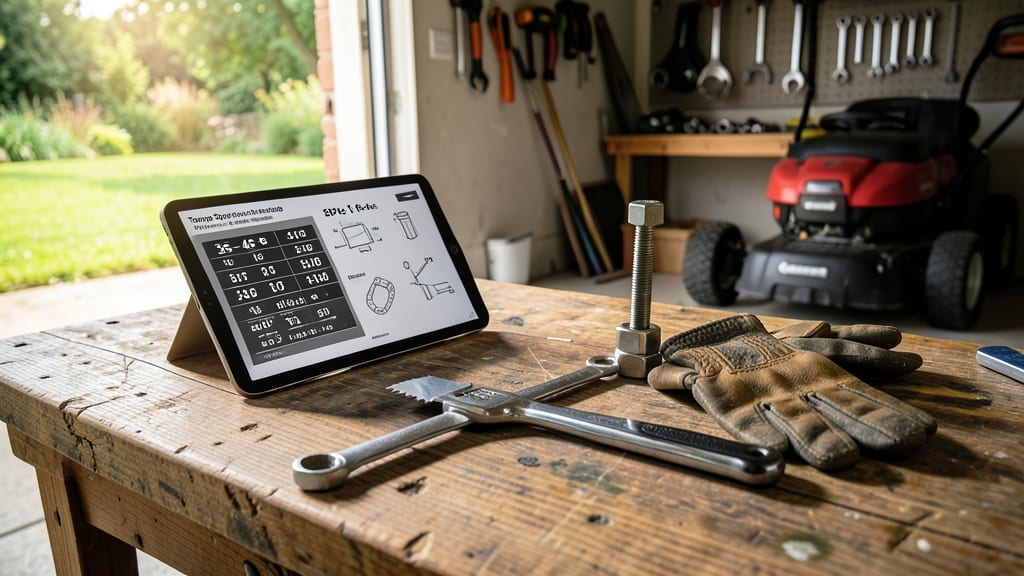
Lawn mower blade torque specs vary by engine size, ranging from 40–60 lbs-ft for small residential mowers (under 18 hp) to 70–90 lbs-ft for commercial or high-horsepower models (20+ hp). Bolt sizes differ by manufacturer, so always check your engine manual and use a torque wrench to avoid damaging the blade or engine.
Torque specs aren't just numbers—they're designed to balance safety and performance. 🔧 For instance, a 14 hp push mower typically needs 50 lbs-ft, while a 22 hp zero-turn mower might require 85 lbs-ft due to higher stress on the blade.
Using the wrong torque can cause blades to warp or bolts to strip, leading to uneven cuts or engine strain. I always recommend starting at the manufacturer's mid-range value and adjusting slightly if the blade feels loose but doesn't spin freely.
Another key factor is bolt material: stainless steel bolts often require slightly less torque than standard steel due to their higher strength.
If you're working with a mulching blade, which has more surface area contacting the grass, you might need to torque slightly higher than a standard blade to maintain proper tension. Always let the bolt settle for a few seconds after reaching the target torque—this helps ensure an accurate reading.
💡 In This Article
- How Engine Size and Bolt Type Affect Lawn Mower Blade Torque
- Step-by-Step Guide to Torquing Lawn Mower Blades Safely
How engine size and bolt type affect lawn mower blade torque
Engine horsepower directly influences torque requirements because larger engines generate more force during operation. A 14 hp residential mower typically needs 45-55 lbs-ft of torque to secure blades without straining the engine, while a 25 hp commercial mower demands 75-90 lbs-ft due to increased centrifugal forces at higher RPMs.
The physics here involve rotational inertia—bigger blades and heavier engines create more stress on fasteners during cuts, requiring proportionally higher torque to prevent loosening.
Bolt material plays a critical role too. Standard steel bolts (common in residential mowers) require precise torque to avoid stripping, while stainless steel bolts (often found in commercial models) can handle slightly higher torque—up to 10-15% more—because of their superior strength.
For example, a 1/2-inch stainless bolt might safely handle 80 lbs-ft where a steel bolt of the same size would max out at 65 lbs-ft. This difference explains why some manufacturers specify different torque values for the same bolt size depending on material.
The risk of over-tightening is real: exceeding torque specs by even 10 lbs-ft can warp blades or crack bolt threads, leading to vibrations that damage the engine over time.
I've seen mulching blades (which have more surface area contacting grass) require 5-10% higher torque than standard blades because they experience greater resistance during operation. Always use a click-type torque wrench for precision—these provide audible confirmation when you reach the exact spec.
Another factor is blade type: High-lift blades (designed for bagging clippings) often need slightly less torque than mulching blades because they cut through grass more cleanly. The key is balancing tension—blades should be secure enough to prevent wobbling but not so tight they create unnecessary strain.
For instance, a 20-inch blade on a 16 hp mower might need 55 lbs-ft, while the same blade on a 22 hp mower would require 70 lbs-ft due to increased engine power.
Manufacturers account for these variables by specifying torque ranges rather than exact values. For example, Honda recommends 45-55 lbs-ft for their HRX series mowers, while Briggs & Stratton suggests 50-60 lbs-ft for their 17 hp engines.
The difference reflects real-world variations in blade weight, bolt material, and operational stress. Always err on the lower side of the range unless you're working with a known high-stress application.
What most people don't realize is that torque specs also consider the bolt's thread pitch. Finer threads (like on 1/2-13 bolts) require slightly less torque than coarser threads (like 1/2-10 bolts) because they engage more threads per inch.
This is why you'll see different specs for the same bolt size depending on the manufacturer's thread specifications. 🔧