
Lawn
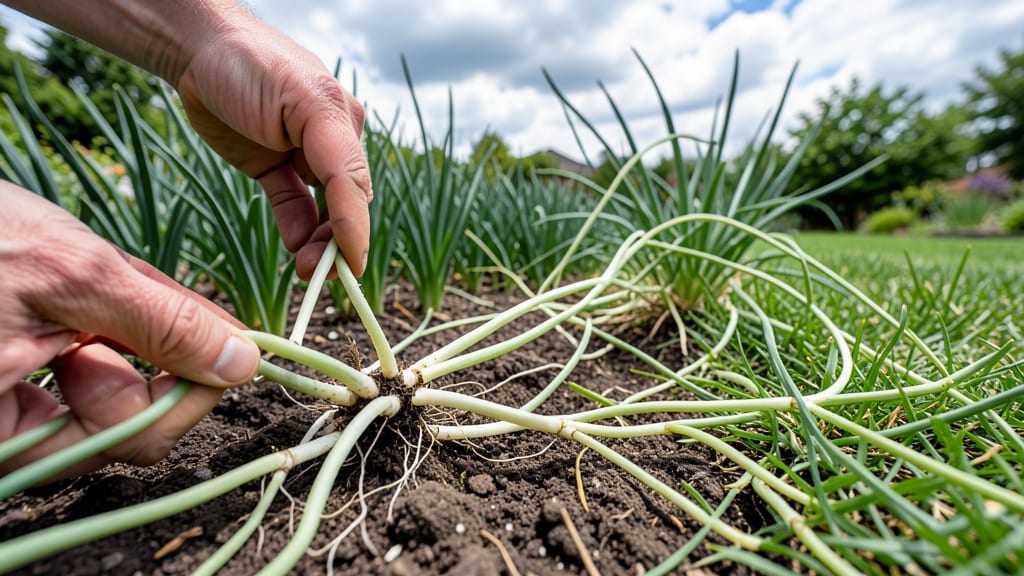
Creeping grass runners are the sneaky saboteurs of a manicured lawn—spreading faster than weeds and turning your yard into a tangled mess. 🌱 I’ve battled Bermuda grass and clover long enough to know the secret isn’t brute force but smart timing and targeted methods that actually work.
The right approach can clear them in as little as 3-4 weeks without scorching your grass or the planet.
Start with the simplest tools: a sharp spade, a dandelion digger, and maybe a spot treatment of vinegar-based herbicide for stubborn patches. The key is attacking runners when they’re young—before they root deeper.
Mow high (3-4 inches) to shade out new growth, then pull or cut runners at the soil line. For eco-conscious gardeners, corn gluten meal applied in early spring smothers seeds before they sprout.
You’ll see results fast: fewer runners creeping into flower beds, a thicker lawn crowding them out, and no more patchy, uneven turf. The trick is consistency—check weekly for new sprouts and repeat treatments until the runners retreat.
With the right method, your lawn will look clean and uniform in no time.
Works for any grass type, from cool-season fescue to warm-season Bermuda. Here’s how to make it happen without chemicals—or with just enough to win the battle.
📚 In This Guide
- What you need
- Instructions
- Tips and common mistakes
- Wrapping up and next steps
What you need
- ● Vinegar (20-30% acetic acid): 1 gallon (for spot treatments or full coverage). Opt for white vinegar or household-grade to avoid residue issues.
- ● Dish soap (natural, biodegradable): 1-2 tablespoons (breaks down weed membranes). Look for plant-safe options like Dawn Free & Gentle.
- ● Water: 1-2 gallons (for mixing solution). Use rainwater if possible—it’s gentler on plants!
- ● Spray bottles or garden sprayer: 1-2 (1-gallon capacity recommended for larger areas). A hose-end sprayer works for bigger lawns.
- ● Gloves (nitrile or rubber): 1 pair (protects your hands from vinegar and weeds).
- ○ Goggles (optional): For safety if spraying near eyes or in windy conditions.
- ● Corn gluten meal: 10-20 lbs (prevents new grass runners from sprouting—apply in early spring!).
- ● Boiling water: (For stubborn weeds; pour directly on roots—use caution near desirable plants!)
- ● Manual tools: Hand weeder or dandelion digger (for deep-rooted runners).
- ● Mulch (straw or wood chips): To smother remaining weeds after treatment.
- ● ✅ Sunny day: Apply solutions on a dry, cloudless day (vinegar works best in direct sunlight).
- ● ✅ Clear weather forecast: Avoid rain for 24-48 hours post-application.
- ● ✅ Lawn prep: Mow grass to 2-3 inches for even coverage.
- ● ✅ Test area: Try the solution on a small, hidden patch first to check for plant sensitivity.
Step-by-Step instructions for removing grass runners from your lawn
Here's how to tackle those stubborn grass runners quickly and safely without harsh chemicals.
🌱 Step 1: Identify and Mark the Problem Areas
First, walk your lawn and identify where the grass runners (also called stolons or runners) are spreading. Look for thin, creeping stems growing along the ground—these are the culprits. I like to use a white spray paint marker to outline the edges of these areas. This helps me see exactly where to focus my efforts and prevents accidental damage to healthy grass.
Pay special attention to areas where the runners are thickest or where they're creeping into flower beds or sidewalks. You'll want to prioritize these spots first. Sketch a quick map if your lawn is large—this keeps you organized and ensures you don't miss any sections.
✂️ Step 2: Cut or Mow the Runners Just Above the Soil
Use a sharp pair of hedge shears or a string trimmer to cut the runners as close to the soil as possible. I aim for about ¼ inch above the ground—this prevents regrowth from the cut ends while still allowing the soil to heal. Work in small sections, about 2 feet by 2 feet, to avoid missing any runners.
Don't worry if you don't get every single runner—focus on the thickest, most obvious ones first. After cutting, rake the area gently to remove any remaining debris. This step is critical because runners can regenerate quickly if left intact. You'll notice the area looks patchy at first, but that's normal and temporary.
💧 Step 3: Apply a Natural Suppressant to Prevent Regrowth
Once the runners are cut, cover the area with a thick layer of cardboard or thick newspaper (about 4-6 sheets deep) to block sunlight. This smothers the runners and prevents new growth. Secure the edges with rocks or soil to keep it in place. For larger areas, you can also lay down black plastic sheeting instead—just make sure it's weighted down.
Leave the suppressant in place for at least 4-6 weeks. You'll know it's working when you see no new green growth peeking through. This method is chemical-free and safe for pets and kids, but it does require patience. Water the area lightly every 2-3 days to keep the cardboard moist and ensure it stays in place.
☀️ Step 4: Reseed or Replant the Area
After the runners are fully suppressed, remove the cardboard or plastic and rake the soil to loosen it. Spread a ¼ inch layer of compost over the area to improve soil health, then sprinkle your desired grass seed or plants evenly. I like to use a broadcast spreader for even coverage—this ensures no bare spots remain.
Lightly water the area to help the seeds or plants settle into the soil. Keep the soil consistently moist (but not soggy) for the first 2-3 weeks—this encourages strong root growth. You'll see new grass or plants sprouting within 7-14 days, depending on the type. Avoid walking on the area until it's fully established to prevent damage.
🌿 Step 5: Monitor and Maintain for Long-Term Success
Once your new grass or plants are established, keep an eye out for any stray runners that might have been missed. If you spot a few sneaking in, pull them by hand or trim them again immediately. Regular mowing at the correct height for your grass type also helps prevent runners from spreading.
For the first 3 months, check the area weekly for signs of runners creeping back. If you notice any, repeat the cutting and smothering process in those specific spots. Over time, your lawn will stay runner-free with consistent care. This method might take a little longer than chemical treatments, but it's safer and more sustainable in the long run.
Tips & tricks for fast grass runner removal
Here's what nobody tells you about making this method work even faster—and without the headaches.
Precision Cutting: In Step 2, when you're cutting those runners just above the soil, use a sharp blade or trimmer for a clean cut. Dull tools crush the stems instead of severing them cleanly, which actually encourages regrowth. I like to make a second pass through the thickest areas to ensure I've gotten every single one. This might take a little extra time upfront, but it saves you from dealing with stubborn regrowth later.
Suppressant Weighting: For Step 3, don't just slap that cardboard or plastic on top—secure it properly! Use bricks, pavers, or even heavy garden stones along all edges to keep it from shifting in wind or rain. I've seen lightweight covers blow away completely, leaving runners exposed. A well-weighted suppressant stays put and does its job without you having to check on it constantly.
Timing Your Reseeding: In Step 4, when you're ready to reseed, time it right after a good rain or water the area thoroughly before planting. This helps the seeds make immediate contact with moist soil, giving them a head start on germination. I've found that seeds planted in dry soil often struggle to establish roots quickly enough to outcompete any remaining runners.
Monitoring Shortcuts: For Step 5, instead of checking weekly for runners, I've found that a simple visual trick works better. Every time you mow, glance at the treated areas from a few feet away—you'll spot any new green shoots much faster than by walking the entire lawn. This keeps the process efficient while still catching any stragglers early.
Pro Tips for Grass Runners In Lawn
- Here's what nobody tells you about making this method work even faster—and without the headaches.
- Precision Cutting: In Step 2, when you're cutting those runners just above the soil, use a sharp blade or trimmer for a clean cut.
- Suppressant Weighting: For Step 3, don't just slap that cardboard or plastic on top—secure it properly!
Frequently asked questions
Got questions about tackling grass runners in your lawn? You’re not alone—these stubborn invaders can be tricky! Here are some of the most common concerns and straightforward answers to help you take action without harsh chemicals.
What exactly are grass runners, and how do I identify them?
Grass runners (like crabgrass or nutsedge) spread aggressively through stolons or rhizomes. Look for thin, creeping stems above ground (stolons) or thick, underground roots (rhizomes). They often form dense patches with a weedy or grassy texture that outcompetes your lawn.
When is the best time to treat grass runners in my lawn?
Timing is key! For pre-emergent control, apply treatments in early spring (before runners sprout) or late summer (when they’re actively growing). Post-emergent methods work best when runners are young and actively growing—avoid treating during drought or extreme heat.
Can I use natural or homemade remedies instead of chemicals?
Yes! Try these eco-friendly options:
- Vinegar + dish soap: Spray a 1:1 vinegar-water mix with a drop of soap on runners (reapply weekly).
- Corn gluten meal: Apply in early spring to prevent seed germination.
- Hand-pulling: Best for small patches—grab runners at the base and all underground stems.
Why do grass runners keep coming back even after treatment?
Persistent runners often return because:
- You missed underground rhizomes or stolons.
- The treatment wasn’t applied consistently or at the right time.
- Soil conditions (like poor drainage) favor their growth.
Do I need special tools to remove grass runners?
Not necessarily! Basic tools like:
- A sharp shovel or dandelion digger for deep removal.
- A weed puller or hula hoe for surface runners.
- Gloves (to avoid skin irritation from sap).
Wrapping up and next steps
Ready to reclaim your lawn without harsh chemicals? Grass runners—those sneaky invaders—don’t stand a chance with the right approach! By combining manual removal, natural herbicides, and preventative care, you can restore a lush, weed-free yard safely and effectively. 🌱
Start small—pick a section, tackle it today, and watch your lawn transform. Need more help? Expand your strategy by researching mulching techniques or exploring organic lawn care routines next. Your green oasis is waiting!