
Lawn
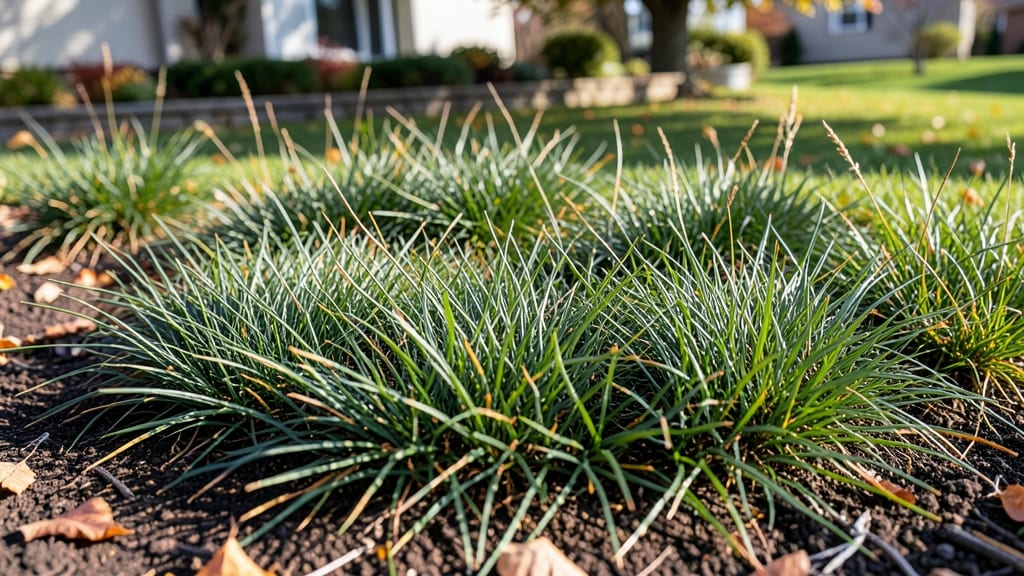
Your lawn won’t look like a golf course if you’re fighting long grass growing in lawn—it’s a common frustration that actually has simple fixes. 🌱 I’ve seen patchy, overgrown yards transform into lush, even carpets in just a few weeks, and it starts with understanding why the grass is rebelling against your mower.
The culprit is usually one of three things: inconsistent mowing, soil that’s too rich (encouraging fast growth), or shade from trees that slows down your mower’s rhythm.
Most people overlook the height setting—cutting too short stresses grass, while leaving it too long invites weeds and that “wild meadow” look you don’t want.
Here’s the game-changer: mow when grass is 3-4 inches tall (never more than ⅓ of the blade at once) and adjust your mower to 2.5-3.5 inches for the perfect balance. A sharp blade does half the work—dull mower tips tear grass instead of cleanly cutting it.
This routine takes 10-15 minutes per session and keeps your lawn looking sharp all season. The key is consistency—like watering or weeding, it’s about small habits that pay off big. Let’s get that grass back under control!
Root Causes Of Overgrown Turf
Understanding why your lawn develops patches of long grass is the first step to preventing it—and fixing it for good. Here’s a breakdown of the most common culprits, explained in simple terms with actionable insights.
Your lawn doesn’t grow at a steady pace—it has growth spurts, especially during warm, wet seasons. If you’re mowing less often than every 7–10 days (or skipping weeks entirely), grass blades stretch toward sunlight, elongating rapidly.
- Why it happens: Grass grows fastest when it has abundant sunlight, warmth, and moisture.
When mowed too infrequently, the plant redirects energy from root growth to blade elongation, leading to that "wild" look. - Science behind it: The leafy growth point (meristem) at the base of grass blades responds to light exposure.
More sunlight = faster vertical growth. - Actionable fix: Set a consistent mowing schedule (e.g., every 5–7 days in peak growth seasons) and never cut more than ⅓ of the blade height at once to avoid stressing the plant.
Too much water—or water that doesn’t drain properly—creates the perfect conditions for rapid, weak growth. While grass needs moisture, excessive watering (or waterlogged soil) forces roots to struggle, leading to long, leggy blades that flop over.
- Why it happens:
- Overwatering dilutes nutrients in the soil, making grass grow fast but weak.
- Poor drainage (clay soil, compacted ground) suffocates roots, causing grass to stretch upward for oxygen.
- Science behind it: Waterlogged soil reduces oxygen availability, triggering etiolation—a survival mechanism where plants grow tall and thin to reach light.
- Actionable fix:
- Water deeply but less often (1–1.5 inches per week, including rain).
- Test drainage by digging a 6-inch hole—if water doesn’t drain in 6 hours, amend soil with sand or compost.
- Aerate compacted areas to improve root access to oxygen.
Grass grows taller in shady spots because it’s stretching to reach sunlight. This creates a patchwork effect where some areas stay short while others grow long and thin.
- Why it happens:
- Partial shade (e.g., under trees, fences, or structures) reduces photosynthesis, causing grass to elongate for light.
- Newly seeded areas or bare spots grow faster in sunlight, creating height disparities.
- Science behind it: Shade-stressed grass prioritizes stem elongation over root and leaf development, leading to weaker, taller blades.
- Actionable fix:
- Thin out tree branches to allow dappled sunlight (6+ hours of light per day is ideal).
- Overseed bare patches with shade-tolerant grass (e.g., fine fescue or creeping red fescue).
- Mow shady areas slightly shorter to encourage bushier growth.
Grass that’s starving for nitrogen (the primary nutrient for leafy growth) or overfed with weak fertilizer will grow long and sparse instead of thick and even.
- Why it happens:
- Low nitrogen = Slow, weak growth with long, thin blades.
- Excess phosphorus/potassium without nitrogen = Grass grows tall but yellows or browns at the tips.
- Old or improperly stored fertilizer loses potency, leading to uneven growth.
- Science behind it: Nitrogen is critical for chlorophyll production—without it, grass can’t photosynthesize efficiently, leading to stretched, weak blades.
- Actionable fix:
- Test soil (DIY kits or lab tests) to check pH and nutrient levels.
- Apply a balanced fertilizer (e.g., 30-0-4 or 24-4-8) in early spring and fall.
- Avoid fast-release fertilizers in summer—they burn roots, causing stress-induced tall growth.
A dull mower blade or incorrect cutting height trauma grass, leading to uneven regrowth and longer recovery time between mows.
- Why it happens:
- Dull blades tear grass instead of cleanly cutting it, causing brown tips and stress—grass compensates by growing taller faster.
- Cutting too short (scalping) shocks roots, triggering rapid regrowth to recover.
- Science behind it: Clean cuts seal off water loss and reduce disease risk, while torn blades increase moisture loss, weakening the plant.
- Actionable fix:
- Sharpen mower blades every 20–30 hours of use (or hire a pro).
- Never remove more than ⅓ of the blade height in one mow.
- Adjust mower height based on grass type (e.g., tall fescue: 3–4 inches; Bermuda: 1–2 inches).
Grass under attack from grubs, chinch bugs, or fungal diseases (like brown patch) grows weak and stretched as it diverts energy to repair damage.
- Why it happens:
- Grubs eat roots, chinch bugs suck sap—both starve grass, causing thin, long blades.
- Fungal infections (common in humid weather) weaken cell walls, leading to floppy, uneven growth.
- Science behind it: Pests and pathogens disrupt nutrient uptake, forcing grass to prioritize survival over compact growth.
- Actionable fix:
- Inspect for pests (look for wilted patches, chewed blades, or excessive bird activity).
- Apply targeted treatments (e.g., neem oil for insects, fungicides for diseases).
- Improve airflow (thin out dense grass) to prevent fungal spread.
Quick Fixes for Overgrown Lawn Grass
Taming long grass in your lawn doesn’t have to be a daunting task—with the right approach, you can restore a neat, healthy look in no time. Below, we’ve mapped out practical solutions based on the most common causes of uneven, overgrown turf.
Whether it’s shade, foot traffic, or neglect, we’ve got you covered with step-by-step fixes and prevention tips to keep your lawn looking sharp.
If your lawn has simply been neglected, a quick reset is all you need.
🍳 Mow It Down (The Right Way)
- Set your mower blade to 3–4 inches—never cut more than one-third of the grass blade at once.
This prevents stressing the roots. - Mow in multiple directions (first lengthwise, then crosswise) to ensure even cutting and avoid scalping. - Bag the clippings if the grass is very long to prevent thatch buildup.
👨🍳 Rake and Aerate (For Compacted Soil)
- Dethatch if you notice a spongy layer of debris between the grass and soil.
Use a rake or a dethatching machine to remove it. - Aerate with a core aerator to relieve compacted soil, allowing water and nutrients to reach the roots.
🥘 Water Deeply (Not Just Surface-Level)
- Water early in the morning (before 10 AM) for 1–1.5 inches per week, including rainfall.
- Avoid frequent light watering, which encourages shallow roots and weak growth.
If certain areas stay long and patchy due to shade, adjust your approach.
🌡️ Choose Shade-Tolerant Grass
- Switch to fine fescue, Kentucky bluegrass, or zoysia—these varieties thrive in low light.
- Overseed in early fall with a shade-friendly mix for a denser lawn.
🎯 Thin Out Dense Areas
- Hand-pull weeds (like clover or moss) to improve airflow and sunlight penetration.
- Use a string trimmer sparingly in shaded spots to avoid damaging the grass.
✨ Add Light with Strategic Trimming
- Trim overhanging branches to let more sunlight reach the ground.
- Install a small solar-powered lawn light to encourage growth in dark corners.
High-traffic areas often develop bare spots and uneven growth. Here’s how to revive them:
🔪 Repair Damaged Spots
- Rake out dead grass and loosen the soil with a garden fork.
- Spread a thin layer of compost (¼ inch) and top with fresh seed or sod.
- Water lightly but frequently until new growth appears (about 2–3 weeks).
🏃♂️ Redirect Foot Traffic
- Place stepping stones or a path to guide foot traffic away from sensitive areas.
- Use a lawn roller after mowing to flatten worn-down spots temporarily.
💡 Fertilize for Resilience
- Apply a slow-release, high-nitrogen fertilizer in early spring to strengthen roots.
- Avoid heavy foot traffic for at least 48 hours after watering or fertilizing.
Once your lawn is back in shape, keep it looking lush with minimal effort:
| Problem | Prevention Tip | How Often |
|---|---|---|
| Uneven mowing | Adjust mower height weekly | Every 2–4 weeks |
| Shady patches | Overseed with shade grass in fall | Once a year |
| Compacted soil | Aerate in spring or fall | Every 1–2 years |
| Weed invasion | Apply pre-emergent herbicide in early spring | Once per season |
| Drought stress | Deep water 1–2 times per week | As needed (dry spells) |
Pro Tip: 💡 Mulch your grass clippings after mowing—they return nutrients to the soil naturally, reducing the need for extra fertilizer!
By tackling the root cause of your overgrown lawn and following these simple, actionable steps, you’ll have a neat, healthy turf in weeks—without breaking a sweat. 🌱✨
Frequently asked questions
Why does my grass grow so fast in some spots but stay short in others?
Uneven growth happens when different areas receive varying sunlight, water, or nutrients. Shady spots stretch taller toward light, while sunlit areas grow more compactly. Check for tree shade, soil compaction, or foot traffic patterns—these often create the patchwork effect you're seeing.
Is it better to mow long grass all at once or gradually?
Never cut more than one-third of the blade height at once—this prevents stressing the grass. If your lawn is very overgrown, raise your mower blade to 3-4 inches first, then lower gradually over 2-3 mowing sessions. This protects roots while still bringing the height down safely.
Will leaving grass clippings help or hurt my lawn?
Leaving clippings (mulching) is great for lawn health! They return nutrients to the soil naturally. Just avoid leaving them if your grass is longer than 4 inches—bag them first to prevent thatch buildup. For most lawns, mulching saves time and improves soil fertility over time.
How often should I mow to prevent long grass?
During peak growing seasons (spring/fall), mow every 5-7 days when grass reaches 3-4 inches. In summer heat or drought, you can stretch to 10-14 days—grass grows slower then. Always check blade height before mowing to avoid scalping.
Can I fix a lawn that's been long and uncut for months?
Yes, but take it slow! Start by raising your mower blade to 4 inches and mow once, then gradually lower it over several sessions. After mowing, aerate compacted soil and overseed bare spots. It may take 4-6 weeks to see full recovery, but consistent care will bring your lawn back to health.