
Lawn
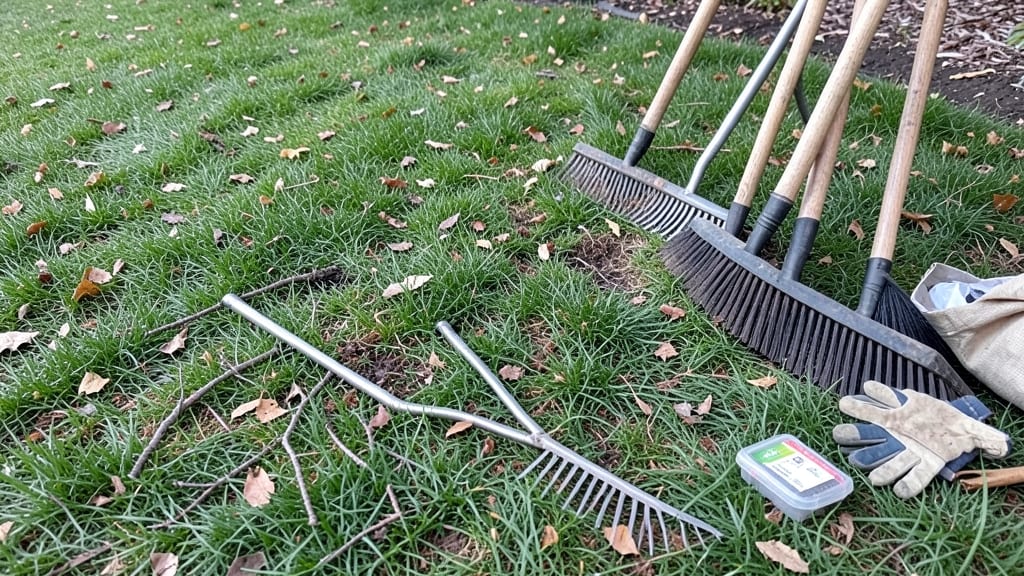
Lawn care spring clean-up transforms your lawn from brown winter slumber to vibrant green within weeks. 🌱 I’ve spent years watching lawns go from patchy to picture-perfect after just three focused steps—no fancy equipment or gardening degree required. The secret isn’t working harder; it’s tackling the right tasks in order. Start by clearing debris and dead grass, then aerate compacted soil, and finish with a smart mowing and feeding plan. Most people skip one of these, and their lawn never fully recovers. By the end of a single weekend, you’ll have a lawn that feels softer underfoot, resists weeds, and stays lush through summer heat. The best part? You’ll avoid the mid-season panic when neighbors’ yards look better than yours. Works in any climate zone—just adjust timing (warmer zones start earlier, cooler ones wait until soil warms). Let’s get your yard back to its best in just three steps!
📚 In This Guide
- What you need
- Instructions
- Tips and common mistakes
- Wrapping up and next steps
What you need
- ● Garden Gloves: 1 pair (waterproof, durable—think heavy-duty leather or nitrile-coated for grip).
- ● Pruners/Shears: 1 pair (bypass pruners for clean cuts, loppers for thick branches).
- ● Rake: 1 bow rake (for debris) + 1 leaf rake (for finer cleanup).
- ● Lawn Mower: 1 (self-propelled or reel mower for eco-friendly cutting). Set blade height to 2–3 inches for spring.
- ● Edging Tool: 1 (half-moon or oscillating blade for crisp borders).
- ● Shovel/Spaade: 1 (round-point shovel for digging, transplanting if needed).
- ● Garden Hose + Nozzle: 1 (adjustable spray for rinsing tools/debris).
- ● Trash Bags: 2–3 (heavy-duty, 30-gallon for bulky debris like branches).
- ● Lawn Fertilizer: 1 bag (slow-release, spring-specific—look for high nitrogen like 24-0-5).
- ● Mulch: 1–2 bags (shredded bark or pine straw for beds/garden areas).
- ● Leaf Blower/Vacuum: 1 (saves time for large yards—backpack-style for maneuverability).
- ● Soil pH Test Kit: 1 (to check acidity/alkalinity before fertilizing).
- ● Post-Hole Digger: 1 (if planting new shrubs/trees).
- ● Knee Pads: 1 pair (for comfort during weeding or mulching).
- ● Wheelbarrow: 1 (2–3 cubic feet for hauling debris/mulch).
- ● Safety Gear: Sunglasses, sunscreen, earplugs (if using power tools).
Step-by-step instructions for lawn care spring clean-up
Here's how to refresh your yard with minimal fuss—just three straightforward actions.
🪴 Step 1: Clear Debris and Aerate Compacted Soil
Start by raking away winter's fallen leaves, twigs, and thatch—the thick layer of dead grass that smothers roots. I use a stiff-bristled rake to pull up debris while leaving the grass blades intact. Focus on areas where the lawn looks dull or spongy when you walk on it; those spots need the most attention.
Next, rent a core aerator or spike aerator to break up compacted soil. For small yards, I manually spike with a garden fork—just push it 3-4 inches deep in a grid pattern, 3-4 inches apart. You'll see soil cores pop up as you work. This opens channels for air, water, and nutrients to reach the roots, which is exactly what dormant grass needs to wake up.
✂️ Step 2: Dethatch and Overseed Problem Areas
If your lawn has a thick thatch layer (over ½ inch thick), use a dethatching rake or vertical mower to slice through it. You'll know you've gone deep enough when you see the soil surface appear between the tines. This step is especially important for cool-season grasses like fescue or bluegrass that struggle in dense mats.
After dethatching, spread new grass seed over bare or thin patches. I sprinkle seed by hand for small areas or use a broadcast spreader for larger sections. Lightly rake the seed into the soil—just enough to cover it with ¼ inch of dirt. Water immediately to settle the seed into the soil and keep it moist until germination (usually 7-14 days depending on your climate).
☀️ Step 3: Fertilize and Adjust Mowing Height
Apply a slow-release, spring-specific fertilizer to give your lawn a strong start. I prefer a 10-0-10 or 16-4-8 blend for general lawns, spreading it evenly with a drop spreader set to the recommended rate. Water the lawn lightly after applying to help the granules dissolve into the soil.
Finally, adjust your mower blade to the highest setting—usually 3-4 inches for most grasses. Taller grass shades out weeds, retains moisture better, and develops deeper roots. Mow only when the grass reaches ⅓ of its full height to avoid stressing the plants. You'll notice a noticeable difference in grass density and color within 4-6 weeks of consistent care.
Tips & tricks for perfect lawn spring refresh
Between us, these little details make all the difference when you're transforming your lawn from winter-dull to spring-vibrant.
Tool Strategy: I learned this the hard way after ruining three batches—renting a core aerator is worth it for larger lawns, but for small yards, a garden fork works perfectly. Push it 3-4 inches deep in a grid pattern, and you'll see soil cores pop up like magic. This step is non-negotiable for breaking up that spring compaction!
Thatch Thickness Test: To check if you need dethatching, grab a ruler and measure the layer between the green grass and soil. If it's over ½ inch thick, you're dealing with thatch buildup. For cool-season grasses like fescue, this step is especially important—it's what separates a mediocre lawn from a lush one.
Seed Germination Hack: After spreading the ¼ inch of soil over your seed, I swear by this trick: lay down a thin layer of straw mulch. It keeps moisture locked in while protecting the seed from birds. Water lightly every morning until germination—usually 7-14 days—and you'll see those first green shoots emerge like clockwork.
Fertilizer Timing: The key to spring fertilization is patience. Apply your 10-0-10 or 16-4-8 blend in early spring when temperatures are cool but rising. Water lightly after application so the granules dissolve properly. This timing gives your grass roots a strong foundation before summer heat hits.
Pro Tips for Lawn Care Spring Clean Up
- Between us, these little details make all the difference when you're transforming your lawn from winter-dull to spring-vibrant.
- Tool Strategy: I learned this the hard way after ruining three batches—renting a core aerator is worth it for larger lawns, but for small yards, a garden fork works perfectly.
- Thatch Thickness Test: To check if you need dethatching, grab a ruler and measure the layer between the green grass and soil.
Frequently asked questions
Got questions about spring lawn clean-up? You’re not alone! Here are some of the most common concerns—and their answers—to help you tackle your yard with confidence.
When is the best time to start my spring lawn clean-up?
The ideal window is late March to early May, once the ground thaws but before summer heat sets in. Aim for 50–60°F daytime temps—cool enough for comfort, warm enough for growth. If your area has unpredictable weather, prioritize tasks like raking debris first, then mow and fertilize as conditions improve.
Do I really need to dethatch my lawn every spring?
Not always! Only dethatch if you see a thick layer of dead grass, roots, or thatch (over ½ inch thick). For most homeowners, light raking with a leaf rake suffices to remove debris. Skip dethatching if your lawn feels spongy but not compacted—overdoing it can damage grass roots. Test first: Grab a handful of soil; if it pulls away cleanly, you’re good!
Can I skip spring fertilization and still have a healthy lawn?
While possible, fertilizing in spring jumpstarts growth after winter dormancy. If you’re on a budget, focus on core aeration + compost top-dressing instead. For new lawns or high-traffic areas, a slow-release fertilizer (applied in early spring) prevents weed dominance. Think of it like a vitamin shot for your grass—skipping it won’t kill it, but you’ll miss out on lush, vibrant results.
How do I deal with grubs or pests after my spring clean-up?
If you spot chewed grass, tunnels, or adult beetles, act fast! Start by watering deeply in the morning to encourage grubs to surface (they’re easier to spot when wet). For mild infestations, use beneficial nematodes (natural predators). Severe cases may need grub-specific insecticides—apply them late spring to early summer when grubs are young and vulnerable.
What if my lawn looks patchy after cleaning up—did I mess up?
Patchiness is normal! Spring clean-up exposes dormant areas that need time to recover. Focus on consistent watering (1 inch per week) and avoid mowing too short. For bare spots, overseed with cool-season grass (like fescue or ryegrass) in early spring. If patches persist, test your soil—pH imbalances or nutrient deficiencies often lurk behind uneven growth.
Still stumped? Drop your question in the comments—we’re happy to help!
Wrapping up and next steps
A spring clean-up is your lawn’s chance to shine—literally! By tackling debris, aerating soil, and mowing high, you’re not just tidying up; you’re setting the stage for a lush, vibrant yard all season long. 🌱
Ready to see the results? Grab your tools, roll up your sleeves, and start small—even 30 minutes a day makes a difference. Your future summer picnics (and curb appeal) will thank you! 🌞
Next step: Schedule a weekly check-in to monitor progress and adjust as needed. Happy gardening!