
Diseases
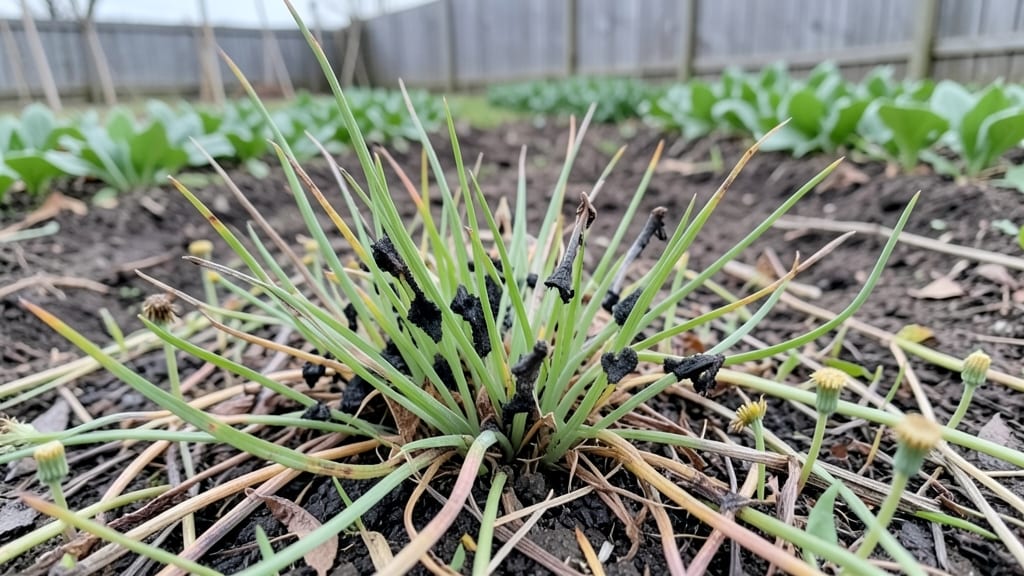
Black fungus creeping across your lawn like a shadow isn’t just unsightly—it’s stealing your grass’s chance to thrive. I’ve battled this stubborn black spot disease for years, and I’ll share the exact steps that finally turned my patchy lawn into a lush, healthy carpet again.
The key? Spotting it early and attacking it from every angle—fungicides, smarter watering, and even a few tricks most lawn care guides skip.
Most people assume black fungus means overwatering, but it’s often a mix of poor drainage, thick thatch, and fungal spores waiting for the perfect damp, shady moment to strike. My lawn’s worst outbreaks happened after weeks of rain followed by hot afternoons—exactly when fungal spores wake up hungry.
The fix isn’t just spraying fungicide; it’s fixing the conditions that let the fungus take over in the first place.
You’ll learn to identify the three most common black fungus types by their texture and color, then eliminate them with a 3-step process: first, clear the dead patches, then treat the soil, and finally adjust your watering and mowing habits.
Within 4-6 weeks, your lawn will bounce back—thicker, greener, and fungus-free. The best part? These methods work for both organic and chemical approaches, so you pick what fits your lawn’s needs.
Even the toughest black fungus cases respond to this plan—though if your lawn stays stubborn after two treatments, it might be time to call in a pro. Here’s how to reclaim your grass before summer heat makes the problem worse.
Why it happens
Blackened patches in your lawn aren’t just unsightly—they’re a sign your grass is under siege. Understanding the root causes of these dark, fungus-driven spots is the first step to reclaiming a lush, healthy lawn.
Below, we break down the science behind why your grass turns black, from environmental triggers to common mistakes that invite fungal growth.
🌱 Excess Moisture Traps Fungal Spore Growth
Fungi thrive in damp conditions, and overwatering or poor drainage creates the perfect breeding ground. When grass stays soggy for prolonged periods—especially in shaded or low-lying areas—Rhizoctonia or Dollarspot fungi (common culprits behind black spots) multiply rapidly.
These pathogens feed on dead or weakened grass, turning patches dark brown or black as they spread.
- Why it happens: Fungal spores germinate in soil temperatures between 60–85°F when moisture lingers. Even light morning dew can trigger outbreaks if grass doesn’t dry quickly.
- Actionable fix:
- Water deeply but infrequently—aim for 1 inch per week (including rain) and avoid evening watering to allow foliage to dry.
- Improve drainage by aerating compacted soil or installing French drains in problem areas.
- Use a soaker hose instead of sprinklers to reduce leaf wetness.
🌡️ Hot, Humid Weather Accelerates Fungal Spread
Summer’s heat and humidity are a double whammy for lawns. When temperatures climb above 80°F with high humidity, fungal spores activate faster, especially on stressed grass. Dark spots often appear in St. Augustine or Bermuda grass during these conditions because these varieties are more susceptible to Brown Patch disease.
- Why it happens: Heat stress weakens grass, making it easier for fungi to penetrate. Humidity slows evaporation, keeping leaves damp longer—ideal for spore germination.
- Actionable fix:
- Mow higher in summer (3–4 inches) to shade soil and retain moisture.
- Apply fungicides with azoxystrobin (e.g., Heritage) preventatively in early summer.
- Water early morning to let grass dry before evening humidity sets in.
🔄 Poor Lawn Maintenance Weakens Grass Defenses
Skipping basic care—like mowing, fertilizing, or overseeding—leaves grass vulnerable to fungal attacks. Thin turf, compacted soil, and nutrient deficiencies create gaps where fungi like Necrotic Ring Spot can take hold, turning patches black as they kill grass tissue.
| Mistake | Fungal Risk | Solution |
|---|---|---|
| Mowing too short (<1.5 inches) | Exposes roots to heat/drought, inviting Rhizoctonia | Set mower blades to 3+ inches in summer |
| Over-fertilizing with nitrogen | Promotes rapid growth that depletes defenses, feeding fungi | Use a balanced 16-4-8 fertilizer in spring/fall |
| Ignoring thatch buildup | Traps moisture and blocks fungicides from reaching roots | Dethatch in early spring if layer exceeds ½ inch |
🌿 Shaded or Compacted Soil Creates Ideal Fungal Havens
Grass under trees or in high-traffic areas often turns black because these zones lack sunlight and airflow. Shade reduces photosynthesis, weakening grass, while compacted soil prevents roots from accessing water and nutrients—both perfect conditions for Dollarspot or Gray Leaf Spot fungi.
- Why it happens:
- Shade: Grass grows slower, becoming more susceptible to stress and fungal infection.
- Compaction: Reduces oxygen flow to roots, making them easier targets for pathogens.
- Actionable fix:
- Plant shade-tolerant grasses like Fine Fescue or Zoysia in problem areas.
- Core aerate twice a year to relieve compaction (spring/fall).
- Apply compost top dressing to improve soil structure.
💡 Pro Tip: Rule Out Non-Fungal Causes First
Before blaming fungus, check for other culprits that mimic black spots:
- Grubs: Look for white, C-shaped larvae in soil—these chew roots, causing die-off.
- Dogs/Animals: Urine burns or paw traffic can create dark patches.
- Herbicide Damage: Overapplication of pre-emergent can leave blackened areas.
Fixing Black Grass Fungus Fast
Black grass fungus—whether it’s black spot disease, dollar spot, or slime mold—can turn your lush lawn into a patchwork of discolored, weak spots. The good news? With the right approach, you can restore your grass to its former glory.
Below, we break down solutions by cause, so you can tackle the problem head-on and keep it from coming back. 🚀
🔥 If Overwatering or Poor Drainage Is the Culprit
Waterlogged grass is a fungus’s dream—excess moisture creates the perfect breeding ground. To fix it:
- 🌧️ Adjust Your Watering Schedule Water deeply but infrequently. Aim for 1–1.5 inches per week (including rainfall), and water in the early morning to allow grass to dry quickly. Avoid evening watering, as damp leaves overnight invite fungal growth.
- 🔄 Improve Soil Drainage If your lawn sits in water after rain, the soil may be compacted. Aerate in early fall or spring using a core aerator to create channels for water and air. Mix in compost or sand (50/50) to loosen the soil.
- 🪴 Rethink Irrigation Systems Check sprinklers for uneven coverage or leaks. Adjust heads so water doesn’t pool in low spots. Consider a soil moisture sensor to monitor hydration levels.
💡 Pro Tip: If your lawn has heavy clay soil, amend it with gypsum or organic matter to improve drainage over time.
🍄 When Fungal Disease Is the Root Cause
Diseases like black spot or dollar spot thrive in warm, humid conditions. Here’s how to combat them:
- 🧴 Apply Fungicide (When Needed) Use a preventative fungicide (like propiconazole or chlorothalonil) in early spring or late summer when conditions are favorable for fungal growth. Follow label instructions carefully—overuse can harm beneficial microbes.
- 🌱 Boost Grass Health
- Mow high (3–4 inches) to shade the soil and reduce stress.
- Fertilize with a balanced, slow-release formula (e.g., 16-4-8) in fall to strengthen roots.
- Avoid nitrogen-heavy fertilizers in summer, as they promote tender growth that fungi love.
- 🧹 Remove Affected Grass Rake up and dispose of severely infected clippings (don’t compost them!). This stops spores from spreading.
✨ Prevention Hack: Sharpen your mower blade regularly—dull blades tear grass, making it more susceptible to disease.
🐛 If Grubs or Insects Are Weakening the Lawn
Grubs and other pests create entry points for fungus by damaging roots. Here’s how to evict them:
- 🐜 Identify the Pests Dig up a small section of turf. If you see white grubs (C-shaped larvae), chinch bugs (small black bugs), or sod webworms, you’ve found the culprit.
- 💊 Use Targeted Treatments
- For grubs: Apply a grub control (like imidacloprid or beneficial nematodes) in late summer when grubs are young.
- For chinch bugs: Treat with neem oil or pyrethrin-based sprays in early morning to avoid harming bees.
- 🌿 Encourage Natural Predators Birds, toads, and ground beetles eat grubs naturally. Plant native grasses and clover to attract these helpers.
🎯 Long-Term Fix: Overseed bare spots with disease-resistant grass varieties (like tall fescue or Kentucky bluegrass) to crowd out pests.
🌡️ When Weather Conditions Are the Problem
Hot, humid summers or sudden temperature swings stress grass, making it vulnerable. Mitigate the damage with these steps:
- 🌤️ Provide Shade Relief
If your lawn gets 6+ hours of direct sun, consider partial shade solutions like:
- Planting tall trees or shrubs on the sunny side.
- Using shade cloth temporarily during peak heat.
- 💦 Mulch to Retain Moisture Spread 2–3 inches of mulch (like wood chips or straw) around grass edges to reduce evaporation and cool the soil.
- 🌱 Choose Heat-Tolerant Grass
Replace susceptible grasses with drought-resistant varieties like:
- Zoysia grass (deep green, stays soft in heat)
- Buffalo grass (native, low-water needs)
🔥 Quick Fix: In extreme heat, give your lawn a light morning watering (¼ inch) to keep roots hydrated without promoting fungus.
🛡️ Prevention Checklist for Long-Term Success
Stop black fungus from returning with these year-round habits:
| Season | Task | Why It Works |
|---|---|---|
| Spring | Test soil pH (aim for 6.0–7.0) | Fungi thrive in acidic soil; adjust with lime (to raise pH) or sulfur (to lower it). |
| Summer | Mow at 3–4 inches and water deeply 2–3x/week | Taller grass blocks sunlight (fungi hate shade), and deep watering encourages deep roots. |
| Fall | Apply slow-release fertilizer and aerate | Strengthens grass for winter and improves soil structure. |
| Winter | Leave grass clippings (if healthy) or remove diseased patches | Clippings act as natural mulch; diseased debris spreads spores. |
🌱 Bonus: Plant clover or moss in high-traffic areas—they’re fungus-resistant and improve soil health!
Frequently asked questions about black grass fungus
What are the most common types of black fungus affecting lawns?
The three most frequent offenders are Rhizoctonia (black spot disease), Drechslera (dollar spot), and Necrotic Ring Spot. Each creates distinct black patches: Rhizoctonia produces irregular dark rings, while dollar spot shows small circular spots with gray centers. Necrotic Ring Spot creates larger rings with red or purple edges.
How can I tell if black spots are from fungus or something else?
Dig up a small patch—if roots look healthy but leaves are black, it’s likely fungal. If roots are missing or chewed, check for grubs or chinch bugs. Urine burns or herbicide damage can also mimic fungus but won’t have the fuzzy texture of fungal growth.
Will fungicide work if I’ve already got black patches?
Fungicides are most effective when applied before symptoms appear, but they can still help in early stages. For existing patches, first rake out dead grass and improve drainage. Then apply a systemic fungicide like propiconazole—it’ll take 2-3 weeks to show results.
Can I prevent black fungus without chemicals?
Focus on cultural fixes: mow at 3-4 inches to shade soil, aerate compacted areas, and water deeply but infrequently (1 inch/week). Overseed with disease-resistant grasses like tall fescue, and avoid nitrogen-heavy fertilizers in summer.
When should I call a professional for black fungus?
If your lawn shows no improvement after two fungicide treatments, or if patches keep spreading despite your efforts, it’s time to call an expert. Severe cases might need soil testing or targeted treatments like beneficial microbes or mycorrhizal fungi.