
Lawn
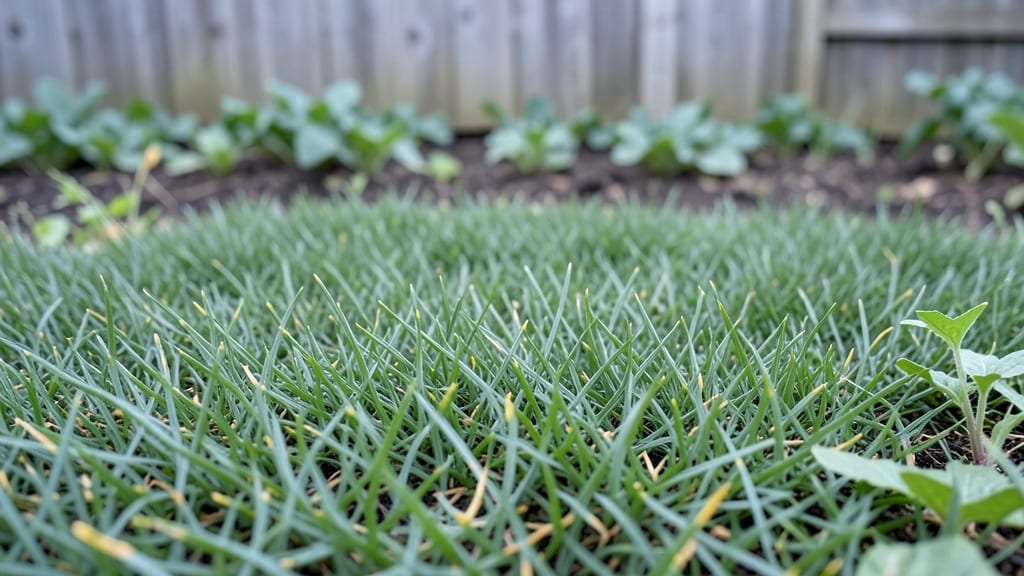
Trinity Zoysia grass thrives where most lawns give up in the heat, offering a fast-spreading, dense turf that outlasts summer droughts.
If you're tired of patchy lawns that struggle in summer heat, Trinity Zoysia grass could be your game-changer—this ultra-durable grass spreads aggressively to create a thick, drought-resistant carpet that stays lush even when other varieties fade.
Perfect for USDA Zone 6a and warmer, it establishes quickly in late spring to early summer and thrives on minimal care once rooted. Unlike high-maintenance grasses, Trinity handles shade better and bounces back faster from drought.
Here’s how to plant it for maximum spread, plus tips to keep it looking sharp year-round without the extra work.
Why Trinity Zoysia grass stands out among heat-resistant lawn varieties
When comparing heat-resistant lawn grasses, Trinity Zoysia emerges as a standout performer thanks to its aggressive spread rate and exceptional drought recovery. Unlike other varieties that thin out under stress, Trinity forms a dense, self-repairing carpet that stays vibrant even during summer heatwaves.
Its shade tolerance (up to 50% shade) and disease resistance make it ideal for Southern climates where other grasses struggle.
What truly sets Trinity apart is its ability to recover from drought within weeks once water returns, while many competitors take months to bounce back. This resilience, combined with its USDA Zone 6-10 hardiness, makes it perfect for regions like Texas, Florida, and California where extreme temperatures are common.
The grass's low maintenance needs and weed suppression further solidify its reputation as a top-tier choice.
🌱
| Trait | Trinity Zoysia | Emerald Zoysia | Meyer Zoysia | Bermuda Grass |
|---|---|---|---|---|
| Spread Rate | Aggressive (3-4 ft/year) | Moderate (2-3 ft/year) | Slow (1-2 ft/year) | Very Fast (4-5 ft/year) |
| Shade Tolerance | Up to 50% | Up to 30% | Up to 40% | Up to 20% |
| Drought Recovery | Weeks (fast) | Months (moderate) | Months (slow) | Weeks (fast) |
| Disease Resistance | High (resistant) | Moderate | Low (susceptible) | Moderate |
| Cold Hardiness | Zone 6-10 | Zone 7-10 | Zone 6-9 | Zone 7-10 |
| Mowing Height | 0.5-1 inch | 0.5-1.5 inch | 0.5-1 inch | 0.5-2 inch |
| Establishment Time | 4-6 weeks | 6-8 weeks | 8-10 weeks | 3-4 weeks |
One of Trinity Zoysia's most impressive features is its rapid establishment. Unlike slower-growing varieties that leave bare spots for months, Trinity fills in within 4-6 weeks when planted correctly.
This quick coverage means you’ll enjoy a full, green lawn much sooner than with competitors like Meyer Zoysia, which can take up to 10 weeks to establish.
The grass's thick stolons and rhizomes create a natural thatch layer that retains moisture better than most grasses. This built-in water conservation is a game-changer in USDA Zones 8-10, where summer droughts can turn other lawns brown in weeks.
Even in Zone 6, Trinity outperforms many cool-season grasses by going dormant in winter rather than dying back.
For homeowners in high-traffic areas, Trinity’s durability is unmatched. Its ability to recover from foot traffic and pet damage without thinning makes it ideal for families with active lifestyles. Unlike St. Augustine grass, which bruises easily, Trinity bounces back almost immediately, ensuring your lawn always looks its best.
Another key advantage is Trinity’s low fertilizer needs. While other heat-resistant grasses like Bermuda require frequent feeding, Trinity thrives with just 2-3 applications per year of a slow-release 16-4-8 fertilizer. This not only saves money but also reduces environmental runoff, making it an eco-friendly choice for sustainable lawns.
If you're considering Trinity Zoysia for your lawn, remember that its optimal performance depends on proper soil preparation and watering consistency. While it’s drought-tolerant once established, newly planted areas need deep, infrequent watering to encourage deep root growth. Skipping this step can delay its legendary spread rate and density.
For those in transition zones (Zones 6-7), Trinity’s ability to handle temperature swings is a major plus. It won’t suffer the winter kill that affects many Southern grasses, nor will it struggle with the heat that plagues cool-season varieties.
This versatility makes it a low-risk investment for lawns in unpredictable climates.
🌿
Planting and maintenance tips for maximum Trinity Zoysia spread
Trinity Zoysia grass thrives when planted at the right time and given proper care. The ideal planting window is late spring to early summer, when soil temperatures consistently reach 65°F or higher.
This timing ensures vigorous root establishment before summer heat peaks. If you're starting from seed, consider using sod for faster coverage, as Trinity spreads aggressively once established.
Before planting, prepare your soil by removing weeds and debris. Conduct a soil test to check pH levels—Trinity Zoysia prefers 6.0 to 7.0. Amend the soil with compost or organic matter to improve drainage and fertility.
Proper soil prep is the foundation for a thick, healthy lawn that spreads quickly.
- Planting too early – Cold soil (<60°F) stunts root growth. Wait until soil warms to 65°F.
- Overwatering – Newly planted grass needs deep but infrequent watering, not daily light sprinkles.
- Mowing too short – Keep grass at 0.5-1 inch to encourage spread, not scalping.
Watering is critical during the first 4-6 weeks after planting. Aim for 1 inch of water per week, applied deeply to encourage deep root growth. Use a soaker hose or sprinkler for even coverage, and water early in the morning to reduce evaporation and fungal risks.
Once established, Trinity Zoysia becomes drought-tolerant, but consistent moisture speeds up spread.
Mowing height plays a huge role in Trinity Zoysia's density. Set your mower to 0.5 to 1 inch—never lower. Shorter cuts stress the grass and slow spread, while taller cuts can smother it.
Mow regularly, but never remove more than 1/3 of the blade height at once. Sharp mower blades are a must to prevent tearing and disease.
Fertilize Trinity Zoysia 4-6 weeks after planting and again in late spring and early summer. Use a slow-release fertilizer with an NPK ratio of 16-4-8 or similar.
Apply 1 pound per 100 square feet and water thoroughly afterward. Avoid fall fertilization, as it encourages late-season growth that weakens before winter.
To maximize spread, overseed bare spots in late spring or early summer with fresh Trinity Zoysia seed. Keep the area moist until germination occurs (usually 10-14 days). Once established, Trinity Zoysia will fill in gaps naturally, but overseeding gives it a head start.
For best results, mow high in fall to protect the grass during winter dormancy.