
Diseases
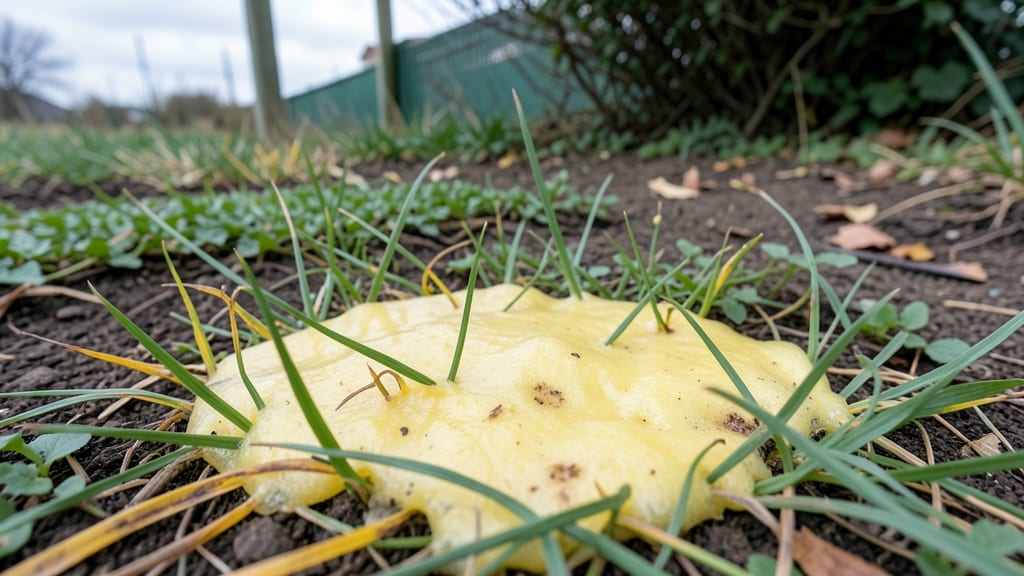
That bright yellow slime mold creeping across your lawn isn't just unsightly—it's a sign your grass is stressed. 🌱 I've battled this slimy invader in my own yard, and the good news is, it's not a fungus or disease, so you can tackle it without harsh chemicals.
The key lies in understanding what triggers this weird growth and how to starve it out before it spreads.
This yellow slime mold thrives when grass clippings, leaves, or thatch pile up too thick, creating a damp, organic mat. Heavy dew, poor drainage, or even just a shady spot can turn your lawn into its perfect buffet.
The slimy texture comes from its spore-producing stage—it's not actually harming your grass, but it sure looks gross and can smother new growth if left unchecked.
You'll remove it by raking up the thatch and clippings, then improving airflow with proper mowing height and occasional aeration. Within days, the mold disappears, leaving behind healthier grass. The secret is keeping your lawn's surface clean and dry—no slimy surprises next time.
For stubborn cases, a light fungicide or even hydrogen peroxide spray works, but prevention is easier: water in the morning, mow regularly, and clear debris weekly. Your lawn will stay green and mold-free—no yellow slime in sight.
Why it happens
Yellow slime mold on your lawn isn’t just an eyesore—it’s a sign that your grass is sending out an SOS for help. 🌱💦 These eerie, jelly-like patches don’t just appear out of nowhere; they thrive when specific conditions align.
Understanding the root causes helps you prevent future outbreaks and restore your lawn’s health. Let’s break down the science behind why this slimy invader shows up in your yard.
🌧️ Moisture Overload: The Perfect Slime Incubator
Slime molds—including the yellow variety—love water. They’re not plants, fungi, or bacteria; they’re actually protists, primitive organisms that feed on decaying organic matter. When your lawn stays damp for days (think heavy dew, poor drainage, or overwatering), these organisms get the perfect breeding ground. Here’s why:
- Slow-Draining Soil: Compacted or clay-heavy soil traps moisture, creating a waterlogged environment where slime molds spread like wildfire. 🔥
- Frequent Watering: Overwatering (especially at night) keeps grass blades and soil saturated, giving slime molds a 24/7 buffet of decaying matter.
- Morning Dew: While dew is natural, thick layers can smother grass and create the ideal humidity for slime mold spores to activate.
Actionable Fix: Improve drainage with sand or compost, water deeply but less frequently, and avoid evening watering to let grass dry overnight.
🍂 Decaying Organic Matter: A Feast for Slime Molds
Slime molds are scavengers. They don’t grow in healthy grass—they thrive where decomposition is happening. Common triggers include:
- Thatch Buildup: A thick thatch layer (dead grass, roots, and debris) traps moisture and provides a hidden food source for slime molds. 🌾
- Leaf Litter or Mulch Piles: Leaves, grass clippings, or wood mulch left on the lawn create hotspots for slime mold growth.
- Dead Grass Patches: Areas where grass is thinning or dying (due to disease, pests, or drought) become slime mold magnets.
Actionable Fix: Rake up debris regularly, dethatch your lawn in spring, and aerate to reduce thatch. If you mulch, keep it thin and even.
🌡️ Temperature and Humidity: The Ideal Slime Window
Slime molds are weather-dependent. They typically appear in:
- Cool, Damp Seasons: Spring and fall (40–70°F / 4–21°C) with high humidity are their peak activity periods. ☁️💧
- Shady or Low-Lying Areas: These spots stay cooler and wetter longer, creating microclimates perfect for slime mold.
Fun fact: Slime molds dry out and disappear when temperatures rise or the lawn dries—only to return when conditions are right again.
Actionable Fix: Improve airflow with proper mowing height (never cut more than ⅓ of the blade), and consider dehumidifiers for shaded areas if slime is recurrent.
🌱 Poor Lawn Health: Weak Grass = Easy Target
Healthy grass resists slime mold because it’s too competitive for these organisms. But when your lawn is stressed, slime molds move in. Common stressors:
- Nutrient Deficiencies: Lack of nitrogen, phosphorus, or potassium weakens grass, making it easier for slime molds to colonize.
- Pest or Disease Damage: Grubs, chinch bugs, or fungal infections kill grass roots, leaving bare patches that slime molds invade.
- Improper Mowing: Cutting grass too short exposes soil and encourages weed and slime mold growth.
Actionable Fix: Test your soil, fertilize based on results, and mow at the right height for your grass type (usually 2.5–4 inches). Treat pests/diseases proactively.
🔄 How Slime Spreads: The Silent Cycle
Slime molds don’t spread like seeds or spores—they move physically. Here’s how:
- Water Splash: Rain or irrigation can carry slime mold fragments to new areas of your lawn. 💦
- Wind or Animals: Birds, squirrels, or even lawnmowers can transport slime to healthy grass.
- Human Activity: Walking or gardening tools can unintentionally spread slime mold to other parts of your yard.
Actionable Fix: Clean tools with rubbing alcohol after use, avoid watering during windy conditions, and contain infestations immediately.
Fixing Yellow Slime Mold Naturally
Yellow slime mold on your lawn might look alarming, but with the right approach, you can eliminate it without harsh chemicals. Below are targeted solutions based on the most common causes—moisture, organic debris, and poor drainage—along with prevention tips to keep it from returning.
🔥 Remove the Slime Mold Safely
Slime mold is harmless to plants and humans, but it’s unsightly. Here’s how to clean it up effectively:
🍳 Scrape It Off Gently
- Use a plastic scraper, stiff brush, or putty knife to lift the mold from the grass blades.
- Avoid metal tools—they can damage blades and spread spores.
- Pro Tip: 💡 Work in small sections to avoid missing spots. If the mold is thick, let it dry out first (see next step).
🌡️ Let It Dry Out Naturally
- Slime mold thrives in damp conditions. If possible, wait for a sunny, dry day before removal.
- The mold will shrink and turn powdery—just rake it up afterward.
- ✨ Prevention Tip: Improve airflow by trimming tall grass and removing thatch buildup.
🔪 Rake Away Debris
- After removal, rake the area thoroughly to collect any remaining spores or decaying plant matter.
- Dispose of debris in the trash (not compost)—slime mold can reinfect if returned to the soil.
🌧️ Fix Underlying Moisture Issues
If your lawn stays soggy, slime mold will keep coming back. Try these fixes:
👨🍳 Improve Drainage
- Test your soil’s drainage by digging a 6-inch hole and filling it with water. If it drains in less than 6 hours, your soil is fine. If not, amend it:
- Mix in sand or perlite (1 part to 3 parts soil) to loosen compacted areas.
- For heavy clay soil, consider gypsum (follow package instructions).
💡 Adjust Watering Habits
- Water deeply but less frequently—aim for 1–1.5 inches per week (including rain).
- Water in the morning to allow grass to dry by evening.
- ✨ Prevention Tip: Avoid overwatering; slime mold loves consistently damp conditions.
🌱 Reduce Thatched Buildup
- Thatch (a layer of dead grass and debris) traps moisture. Use a dethatching rake in early spring or fall to remove excess buildup.
- Target: Keep thatch below ½ inch thick.
🌿 Long-Term Prevention Strategies
Once you’ve removed the slime mold, keep it from returning with these low-maintenance habits:
| Problem | Solution | How to Do It |
|---|---|---|
| Shady, damp areas | Reduce organic debris | Rake fallen leaves and clippings regularly. |
| Poor airflow | Trim grass and bushes | Keep grass at 2.5–3.5 inches tall for better airflow. |
| Heavy clay soil | Add organic matter | Spread compost or peat moss (2–3 inches) and till lightly. |
| Fungal-friendly mulch | Use inorganic mulch | Switch to gravel or rubber mulch in garden beds prone to mold. |
🎯 Bonus: Natural Fungicides (If Needed)
While slime mold isn’t harmful, you can use preventative sprays in problem areas:
- Hydrogen peroxide (3%) – Mix 1 part peroxide to 3 parts water, spray lightly, and let dry.
- Baking soda solution – Dissolve 1 tbsp baking soda in 1 gallon of water, spray on affected spots.
- Vinegar spray (undiluted) – Spray early in the morning (avoid if grass is drought-stressed).
⚠️ Warning: Avoid harsh chemicals like copper sulfate—they can harm beneficial soil microbes and plants.
Final Thought: Yellow slime mold is more of a nuisance than a threat, but addressing moisture and debris will keep your lawn looking clean and healthy. With these steps, you’ll say goodbye to slimy surprises for good!
Frequently asked questions
Is yellow slime mold harmful to my lawn or pets?
No, yellow slime mold is completely harmless to your grass, pets, or even humans. It doesn't damage plants or spread diseases—it's just an unsightly sign your lawn needs better airflow and less moisture. You can safely walk on it, and your pets can play there without any risk.
Why does my lawn keep getting yellow slime mold even after I clean it up?
If it keeps returning, your lawn likely has underlying moisture issues like poor drainage or thick thatch. Focus on improving soil aeration, reducing watering frequency, and removing organic debris regularly. The mold will disappear when conditions change.
Can I use vinegar to kill yellow slime mold?
Yes, undiluted white vinegar works well as a natural treatment. Spray it directly on the affected areas in the morning—it helps dry out the mold and prevents regrowth. Just avoid using it if your grass is already drought-stressed or in hot weather.
Will mowing my lawn help prevent yellow slime mold?
Keeping your grass at the right height (2.5–4 inches) improves airflow and reduces thatch buildup. Mow regularly but never cut more than ⅓ of the blade at once—this helps prevent the damp, organic conditions that slime mold loves.
Can I compost the raked-up slime mold?
No, you should never compost yellow slime mold. While it's harmless, the spores can reinfect your lawn if returned to the soil. Instead, dispose of it in your regular trash to prevent future outbreaks.