
Lawn
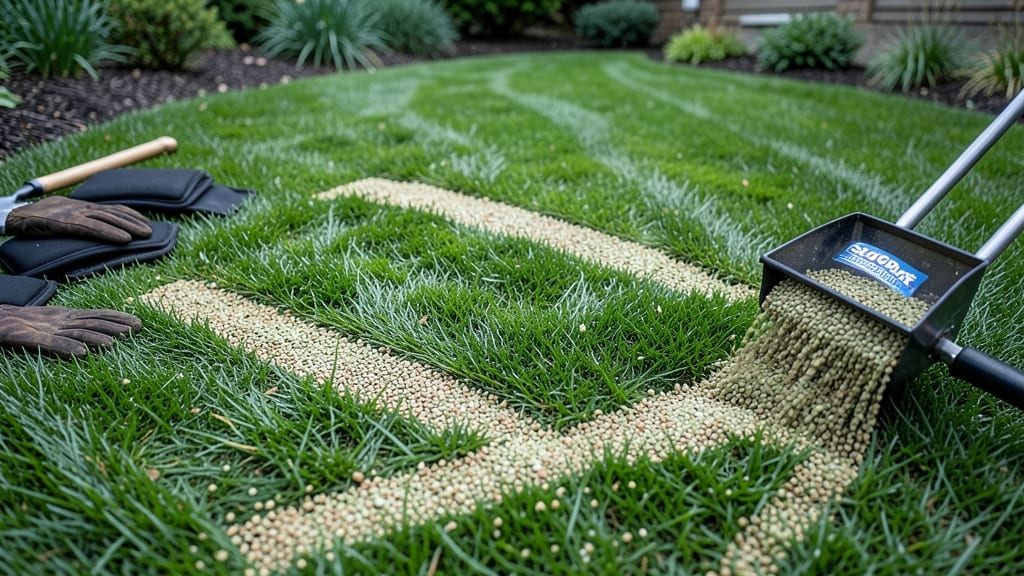
Fertilizing your lawn in spring at the right time is the key to a thick, green carpet—not too early, not too late, but when the soil and grass are ready to soak up nutrients.
Spring lawn fertilization timing can make the difference between a lush, vibrant yard and a patchy, weak one—but most homeowners get it wrong by waiting too long or fertilizing too early.
Here’s the science-backed rule: Wait until soil temperatures hit 50°F to 60°F at a 4-inch depth, the sweet spot where grass roots wake up and start growing. Too soon, and you risk burning tender roots; too late, and you miss the early growth window.
Below, I break down the exact soil temperature triggers, the best fertilizer types for your grass, and how to adjust timing for your climate—plus 3 common mistakes that ruin even the best-laid plans.

Soil temperature rules for spring lawn fertilization timing
Timing your spring lawn fertilization based on soil temperature—not just calendar dates—is the secret to a vibrant, healthy yard. When you fertilize too early, nutrients can burn tender grass roots still recovering from winter dormancy.
But waiting too long means missing the critical growth window when grass needs that nitrogen boost to thicken and green up.
Most homeowners make the mistake of following a one-size-fits-all schedule, like fertilizing in early March regardless of their climate. However, soil temperature varies dramatically by region—even within the same state.
For example, lawns in USDA Zone 5 may need to wait until late April, while those in Zone 8 can start as early as February. The key is understanding your local soil temperature triggers.
Testing your soil temperature is simpler than you think. Grab a soil thermometer (available for under $10) and check the temperature at a 4-inch depth—this is where grass roots are actively growing.
The 50°F–60°F range is your sweet spot for fertilization, but the exact timing depends on your grass type. Cool-season grasses like Kentucky bluegrass and fescue can handle slightly cooler soil, while warm-season grasses like Bermuda and Zoysia need warmer conditions to thrive.
Regional adjustments are crucial. In northern climates like Minnesota or upstate New York, you might not hit 50°F soil until late April or early May. Meanwhile, in southern states like Texas or Florida, you could be fertilizing as early as February.
Pay attention to your last frost date and local weather patterns—if frost is forecasted within 48 hours of fertilizing, wait it out to avoid stressing your lawn.
One of the biggest myths is that you can fertilize as soon as the ground is workable. But cold soil (below 50°F) can cause fertilizer burn, where nutrients sit in the soil without being absorbed, potentially damaging roots.
I’ve seen lawns turn brown and patchy after early spring fertilization because homeowners didn’t check the soil temperature first. Always wait until the soil is consistently within the 50°F–60°F range before applying fertilizer.
For cool-season grasses, aim to fertilize when soil hits 50°F—this is typically in early to mid-April in most regions. Use a high-nitrogen fertilizer (24-0-6 ratio) to encourage rapid green-up.
For warm-season grasses, wait until soil reaches 55°F–60°F, usually in late April or May, and switch to a balanced fertilizer (10-10-10 or 16-4-8) to support root development.
After fertilizing, water your lawn deeply to help activate the granules and wash any excess nutrients into the soil. Aim for 1 inch of water over the next 24–48 hours, split into two sessions if possible.
This step is often overlooked but critical for preventing runoff and ensuring your grass gets the full benefit of the fertilizer. Avoid fertilizing during drought conditions or when heavy rain is forecasted, as this can lead to nutrient loss.
Pro tip: If you’re unsure about your soil temperature, use the morning shade test. On a sunny morning, place a dark-colored object (like a shovel) in the shade of your lawn. If the handle
Step-by-Step spring fertilization schedule by grass type
Getting your lawn fertilization timing right in spring depends entirely on whether you have cool-season or warm-season grass. These two types have completely different wake-up schedules, and fertilizing at the wrong time can either stunt growth or burn your grass.
I’ll walk you through the exact steps for each type, including when to apply, what fertilizer to use, and how to avoid common mistakes that even experienced gardeners make.
The key difference? Cool-season grasses like Kentucky bluegrass and fescue start growing as soon as soil warms to 50°F, while warm-season grasses like Bermuda and Zoysia wait until soil hits 55–60°F.
Miss this window, and you’ll either waste fertilizer or stress your lawn. Let’s break it down by grass type so you can fertilize with confidence this spring.
🌱 Cool-Season Grass Fertilization Schedule
- 📅 Step 1: Test soil temperature at 4" depth. Fertilize only when it reaches 50°F consistently for 3–5 days.
- 🌾 Step 2: Use a high-nitrogen fertilizer (24-0-6) in slow-release granules to prevent runoff during spring rains.
- 💧 Step 3: Water deeply 3 times within 48 hours of application to activate nutrients. Avoid fertilizing if frost is forecasted.
☀️ Warm-Season Grass Fertilization Schedule
- 🌡️ Step 1: Wait until soil hits 55–60°F (usually late April–May). Use a balanced fertilizer (10-10-10) for even growth.
- 🪴 Step 2: Apply pre-emergent herbicide 2 weeks after your last frost date to block weeds without harming grass.
- 🚿 Step 3: Water 4 times post-application (early morning) to help granules dissolve into the soil.
One of the biggest mistakes I see is homeowners rushing to fertilize as soon as their lawn looks green in early spring. But cool-season grasses need that 50°F soil trigger—fertilizing too early can actually burn roots because the grass isn’t actively growing yet.
For warm-season grasses, the risk is different: applying fertilizer before soil warms means the nutrients just sit there, waiting for the perfect conditions that never come.
Pro tip: If you’re unsure whether your grass is cool-season or warm-season, do a quick check. Cool-season grasses stay green in fall and winter, while warm-season grasses turn brown in cooler months. Knowing this helps you adjust your entire spring care routine, from fertilization to mowing height.
For example, cool-season grasses should be mowed higher (3–4 inches) in summer to reduce stress, while warm-season grasses thrive at 1–2 inches.
After fertilizing, monitor your lawn closely for the first 2 weeks. Look for uniform green color and vigorous new growth—these are signs you’ve nailed the timing. If you see yellow patches or slow growth, it might mean you fertilized too early or used the wrong type.
In that case, hold off until soil warms another 5–10°F and try again with a slow-release formula to avoid overloading your grass.
Remember, spring fertilization isn’t just about throwing down fertilizer and walking away. It’s about preparing your soil, choosing the right nutrients, and watering properly to set your lawn up for success all season.
With these steps, you’ll have a lawn that’s not just surviving spring—but thriving through summer too. 🌿