
Plants
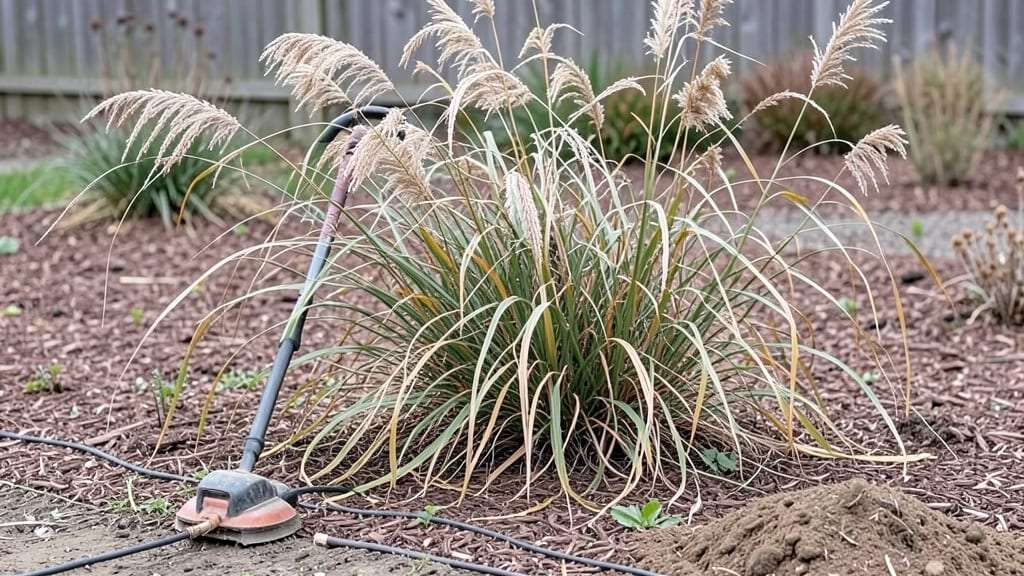
Winterizing ornamental grass isn’t just about survival—it’s about setting them up for a showier comeback next spring. I’ve learned the hard way that skipping this step means brown, brittle clumps that struggle to bounce back, no matter how much you water them in spring.
The right cuts, protection, and timing make all the difference between a lush return and a sad, stunted mess.
Start by cutting back only the most unsightly growth—never more than a third of the plant—after the first hard frost. A 3-inch stubble gives roots insulation while letting sunlight reach new growth early.
For colder climates, add a thick layer of straw or shredded leaves around the base, but avoid smothering the crown. In milder winters, a light mulch keeps moisture in without trapping too much heat.
You’ll notice the difference the moment spring arrives: vibrant green shoots pushing through the soil, taller than anything you’ve seen before. The key is patience—don’t rush to trim back until you spot fresh growth, usually by early April in most zones.
This one seasonal investment pays off in healthier, more resilient grasses that outperform store-bought plants every time.
Regional tweaks matter: Northern gardeners should wait until soil temps hit 40°F before cutting back, while Southern growers can mulch earlier. The biggest mistake? Over-trimming or using plastic mulch that suffocates roots. Stick to natural materials, and your grasses will reward you with year-round structure and texture—even in winter.
📚 In This Guide
- What you need
- Instructions
- Tips and common mistakes
- Wrapping up and next steps
What you need
- ● Pruning shears or hedge clippers – Sharp, clean blades (bypass-style recommended) to trim back dead foliage.
- ● Garden gloves – Heavy-duty, waterproof gloves to protect your hands from thorns and cold.
- ● Mulch (straw, shredded leaves, or pine needles) – At least 2-3 inches of organic mulch to insulate roots.
- ○ Garden fork or trowel – For gently loosening soil around the base of plants (optional but helpful).
- ● Burlap or frost cloth – Enough to wrap around clumps if your grass is newly planted or tender varieties (e.g., Miscanthus or Pennisetum).
- ● Watering can or hose with a gentle spray nozzle – For a final deep watering before winter.
- ● Anti-desiccant spray – Apply to foliage to prevent drying in freezing winds (e.g., Wilt-Pruf).
- ● Garden twine or stakes – To secure frost cloth or burlap in windy areas.
- ● Soil conditioner (compost or aged manure) – A handful mixed into the base for added nutrients before mulching.
- ○ Thermometer (optional) – To monitor soil temps if you're in an extreme climate.
Step-by-Step instructions for winterizing ornamental grass
Here’s how to protect your ornamental grasses through winter without sacrificing their natural beauty.
Assess and Prune Dead or Damaged Foliage
Start by examining each clump for dead, brown, or brittle stems—these won’t survive the freeze and can harbor pests. I like to use sharp, clean pruners to trim back only what’s clearly dead, leaving the healthy, upright growth intact. This prevents over-pruning, which weakens the plant’s ability to regenerate in spring.
Focus on removing stems that crumble at the touch or show no green tissue. If your grass has seed heads, leave them—they provide winter interest and shelter for beneficial insects. For varieties like fountain grass or maiden grass, I avoid cutting back more than one-third of the plant, as this ensures enough foliage remains to photosynthesize during brief winter thaws.
Apply a Layer of Mulch for Insulation
Spread 2-3 inches of shredded bark mulch or straw around the base of each clump, keeping it 6 inches away from the crown to prevent rot. This layer acts like a blanket, moderating soil temperature swings and retaining moisture during dry winter spells. I prefer shredded bark because it breaks down slowly, providing long-term protection.
For grasses in exposed or windy locations, mound the mulch slightly higher—up to 4 inches—to create extra windbreak. Avoid using fresh wood chips, as they can draw nitrogen from the soil and stress the plant. Instead, use the mulch you already have on hand, even if it’s slightly aged, as it still offers insulation benefits.
Protect Tender Varieties with Burlap or Frost Cloth
If you have ornamental grasses like Pennisetum or Miscanthus that struggle in your climate, wrap the entire clump loosely with burlap or frost cloth before the first hard freeze. Secure it with twine or stakes, but leave the top open to allow some airflow—this prevents moisture buildup, which can lead to fungal issues.
For grasses in containers, move them to a sheltered location like a garage or under an eave, where temperatures stay above 20°F. If that’s not possible, bury the pots in 6 inches of straw or leaves to mimic ground insulation. Check periodically to ensure no ice has formed around the crown, as this can cause rot when it melts.
Water Deeply Before the Ground Freezes
Give your ornamental grasses a deep watering 1-2 weeks before the first hard frost, ensuring the soil is moist down to 6 inches. This helps the roots store moisture for winter and prevents desiccation from dry winter winds. I water in the late afternoon so the foliage has time to dry before nightfall, reducing the risk of freeze damage.
Avoid overwatering, as soggy soil can lead to root rot. Instead, aim for even moisture—the soil should feel damp but not saturated. If your area experiences prolonged dry spells in winter, a light top-up every 3-4 weeks can help maintain soil moisture without overdoing it.
Monitor and Adjust Through Winter
Check your grasses once a month during winter to ensure the mulch hasn’t shifted or compacted. Fluff it gently if needed to maintain airflow and insulation. If heavy snow accumulates, brush it off the foliage to prevent breakage, but leave it around the base—snow acts as an extra insulator.
Watch for signs of stress, like excessive browning or wilting, which can indicate dehydration or pest activity. If you notice pests like voles or mice nibbling the base, scatter gravel or hardware cloth around the crown as a deterrent. Most ornamental grasses are tough, but a little extra care now ensures they bounce back beautifully in spring.
Tips & tricks for perfectly winterizing ornamental grass
Here’s how to elevate your winter grass care from basic survival to thriving resilience—these tricks prevent common pitfalls and ensure your plants bounce back beautifully in spring.
Pruning Precision: When assessing foliage in Step 1, focus on removing only stems that crumble when touched or show no green tissue. I’ve seen gardeners accidentally trim healthy growth by just 10%—this weakens the plant’s ability to photosynthesize during brief winter thaws. For varieties like fountain grass, resist the urge to cut back more than one-third, even if the dead foliage looks unappealing. That brown framework actually provides structural support during winter winds.
Mulch Application Strategy: The 2-3 inch layer in Step 2 should be spread evenly but kept 6 inches away from the crown to prevent rot. I’ve learned the hard way that piling mulch directly against stems creates a damp environment that invites fungal growth. For exposed grasses, consider adding a windbreak—even a simple wooden fence or lattice can reduce winter desiccation. And while shredded bark is ideal, I’ve successfully used aged leaves or pine straw in a pinch, as long as they’re not compacted.
Container Protection Tactics: For potted grasses in Step 3, moving them to a sheltered location above 20°F is critical. I’ve had containers crack in sub-freezing temperatures when left outside, even with thick mulch. If you can’t relocate them, bury the pots in 6 inches of straw or leaves—this mimics ground insulation and prevents temperature fluctuations. Remember to check periodically for ice buildup around the crown, as this can cause rot when it melts in warming spells.
Winter Monitoring Insights: The once-monthly check in Step 5 is non-negotiable, but what you’re really watching for are subtle signs of stress. Excessive browning often indicates dehydration, while wilting suggests either overwatering or pest activity. I’ve found that voles are particularly drawn to tender bases—scattering gravel or hardware cloth creates a physical barrier without harming the plant. Most ornamental grasses are tough, but these small interventions make all the difference between survival and thriving.
Pro Tips for Winterize Ornamental Grass
- Here’s how to elevate your winter grass care from basic survival to thriving resilience—these tricks prevent common pitfalls and ensure your plants bounce back beautifully in spring.
- Pruning Precision: When assessing foliage in Step 1, focus on removing only stems that crumble when touched or show no green tissue.
- Mulch Application Strategy: The 2-3 inch layer in Step 2 should be spread evenly but kept 6 inches away from the crown to prevent rot.
Frequently asked questions
Got questions about keeping your ornamental grass thriving through winter? You’re not alone! Here are some of the most common concerns—plus practical answers to help you prep like a pro.
When is the best time to winterize ornamental grass?
Start preparing before the first hard frost—typically in late fall (October–November, depending on your zone). Cut back dead foliage after it browns naturally (usually late winter), but never before freezing temps hit. This timing protects roots while letting grass "sleep" undisturbed.
Do I need to cut back ornamental grass for winter?
Yes, but only after it’s fully dormant (brown and crispy). Use sharp shears to trim to 2–3 inches above the ground. Avoid cutting too early—green growth can’t survive frost! For clumping types (like Miscanthus), leave seed heads for winter interest if desired.
What if my grass turns brown in winter—is it dead?
Not necessarily! Many ornamental grasses (like Pennisetum or Carex) go dormant and re-emerge in spring. If it’s still brown by early spring, check for heaving (frost damage) or rot. Mulch lightly with straw (2–3 inches) to insulate roots if your zone dips below -10°F.
Can I use mulch or burlap to protect ornamental grass?
For tender varieties (zones 5–7), wrap clumps in burlap or use straw mulch (avoid leaves—they compact). Secure with twine or stakes to prevent wind damage. Remove mulch in early spring once new growth appears to avoid suffocation.
Why is my ornamental grass flopping over in winter?
Flopping usually means weak stems or wind exposure. Stake tall grasses (4+ feet) with flexible plant ties before winter. For dense clumps, trim evenly to encourage upright growth. If the base rots (smelly, mushy), improve drainage—this is a red flag!
Still stumped? Drop your specific grass type (e.g., Fountain Grass, Maiden Grass) in the comments—we’re happy to troubleshoot!
Wrapping up and next steps
Winterizing your ornamental grass doesn’t have to be a daunting task—with the right steps, you’ll ensure your plants thrive even in the coldest months! 🌿❄️ By cutting back, mulching, protecting tender varieties, and monitoring moisture, you’re giving your grass the best chance to bounce back in spring. Your efforts now will reward you with lush, vibrant foliage come warmer weather.
Ready to take action? Start by tackling one section of your garden this weekend—before the first frost sets in!