
Pruning
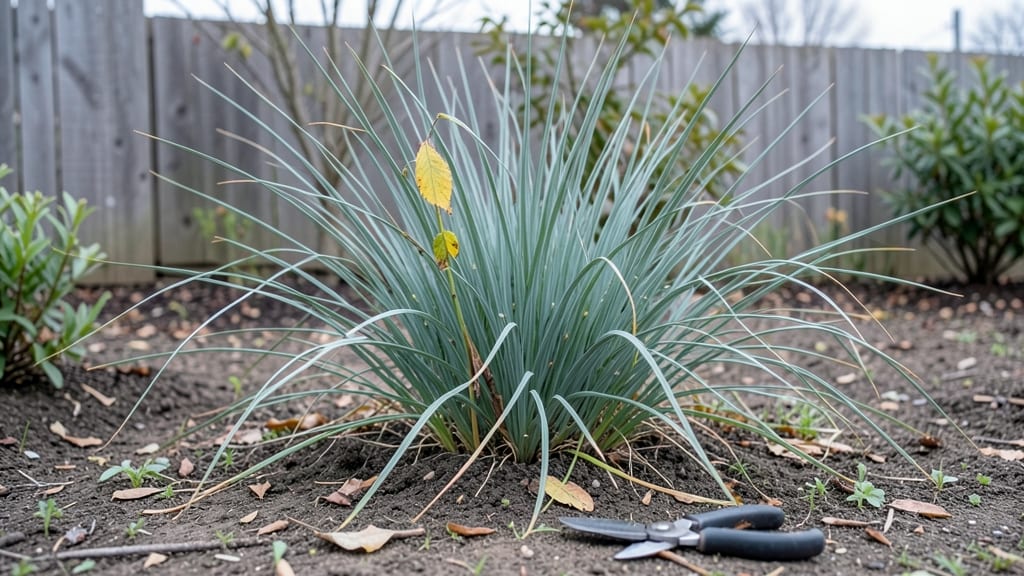
Trimming fountain grass (Pennisetum) transforms it from a wild, scraggly mess into a showstopping focal point that stays lush all year. 🌿 I’ve learned the hard way—skipping this step means losing that neat, rounded shape and watching it flop over by summer.
The secret isn’t just cutting; it’s timing, technique, and knowing when to stop.
You’ll need sharp pruning shears (dull blades tear the grass), gloves for grip, and a clear day—wet foliage sticks to blades and makes cleanup messy. Aim to trim in late winter or early spring, right before new growth starts.
For most varieties, cut back one-third to half of the previous year’s growth, but never shave it down to bare stems—that’s how you invite disease and weak regrowth.
The payoff? A dense, bushy clump that fills out faster and stays upright through heat and storms. After trimming, water deeply to help roots recover, and avoid fertilizing until you see fresh green shoots.
If you time it right, your fountain grass will look like it was designed for a high-end landscape—not some forgotten corner of the yard.
Here’s the kicker: one trim in early spring keeps fountain grass looking sharp all season. No summer touch-ups needed unless it gets ragged from wind or pests. Now grab those shears—your grass is about to get a glow-up.
📚 In This Guide
- What you need
- Instructions
- Tips and common mistakes
- Wrapping up and next steps
What you need
- ● Pruning shears or hedge clippers: Sharp, bypass-style shears (4–6" blades) for precision trimming. Avoid dull tools—they crush stems instead of cutting cleanly.
- ● Heavy-duty pruners (loppers): For thicker stems (up to 1" diameter). Look for bypass or anvil-style with a 4–6" cutting capacity.
- ● Gloves: Garden-grade gloves (leather or heavy-duty fabric) to protect hands from sharp blades and rough foliage.
- ○ Pruning saw (optional but helpful): For overgrown or woody fountain grass—choose a curved-tooth saw for clean cuts.
- ● Knee pads or a small stool: For comfort, especially if your fountain grass is tall (3–5 ft).
- ● Garden twine or burlap: To bundle and dispose of trimmings neatly.
- ● Water source (hose or bucket): Keep grass hydrated before/after trimming to reduce stress.
- ● Hand pruners with ergonomic grips: Reduces hand fatigue for detailed shaping.
- ● Disinfectant (rubbing alcohol or bleach solution): Wipe tools between cuts to prevent disease spread.
- ● String trimmer (weed whacker): For large-scale cleanup around the base (use cautiously—keep it 6+ inches away from the crown!).
- ● Pruning guide or staking: Temporary stakes to mark desired height if you're new to shaping.
- ● Compost bin or bag: For repurposing clippings as mulch (if disease-free).
How to trim fountain grass for a full, year-long look
Here's how I keep fountain grass lush and structured—no more wild, straggly clumps.
🌿 Step 1: Time Your First Cut for Spring Awakening
Wait until mid-spring when new growth reaches 4-6 inches tall—this is your signal the plant has broken dormancy. I always check for fresh, vibrant shoots at the base before cutting. Avoid trimming in fall or winter; fountain grass needs its natural structure to protect the crown through colder months.
Use sharp pruners or a clean, sharp pair of hedge shears—dull blades tear fibers and leave ragged cuts. A single clean slice at a 45-degree angle just above a leaf node encourages bushier regrowth. Never cut into old, brown growth; always target the freshest shoots.
✂️ Step 2: Shape in Three Stages for Density
First, remove dead or damaged foliage at the base—this prevents disease. Then, trim back one-third of the plant's height to encourage branching. I like to work in thirds: cut the outer fronds first, then the middle, finishing with the center to maintain balance.
For a rounded shape, visualize an upside-down cone. Cut outward slightly to create that signature fountain shape. Step back occasionally to check symmetry—your goal is a gradual taper from base to tip. Avoid cutting into the hard, woody base; fountain grass needs that structural core to stay upright.
☀️ Step 3: Maintain Through Growing Seasons
Light trims every 4-6 weeks during active growth keep fountain grass dense. I use the "thirds rule"—never remove more than one-third of the plant at once. This prevents shock and maintains energy reserves for regrowth. Always trim after rain when foliage is slightly damp for cleaner cuts.
In late summer, give the plant a light haircut to remove any leggy growth. This stimulates fresh, compact growth before dormancy. I never cut below 12 inches—that's the plant's natural winter protection zone. Watch for new growth at the base; this tells you when to stop cutting for the season.
⏰ Step 4: Winter Prep for Next Year's Growth
Leave fountain grass untouched until late winter—the dried foliage insulates the crown. In early March, remove only the brown, dead fronds at the base. This prevents rot while allowing sunlight to reach new shoots. I use my hands to gently pull away old growth rather than cutting.
After the first flush of spring growth appears, give it a light shaping trim to encourage fullness. This is your final cut before the growing season ramps up. The key is patience—fountain grass rewards gradual shaping over aggressive pruning.
Tips & tricks for perfect fountain grass trimming
Mastering fountain grass shape takes patience and precision—here's how to elevate your results beyond basic maintenance.
Timing is Everything: The mid-spring timing in Step 1 is non-negotiable for fountain grass health. I've learned the hard way that cutting too early can damage emerging shoots while waiting too long lets the plant become leggy. Look for those 4-6 inch fresh shoots at the base—they're your green light. Pro tip: Mark your calendar for late February to early March for that first winter cleanup, as this gives you a full growing season to work with.
The 45-Degree Angle Secret: That angled cut above the leaf node in Step 1 isn't just aesthetic—it's botanical science. The slant creates a larger surface area for water absorption while directing new growth outward, which is exactly what you want for that full, bushy look. I always visualize slicing just above where the leaf meets the stem at a 45-degree angle. Use a small mirror to check your angle if needed—precision pays off in density.
Thirds Rule Application: When you trim back one-third of the plant's height in Step 2, think of it as a growth reset button. This technique forces the plant to branch out rather than grow tall and sparse. I like to work in three passes: outer fronds first (to establish the shape), then middle (to maintain balance), and finally the center (to refine symmetry). The key is consistency—stick to this rhythm every time you trim, and you'll notice a dramatic difference in fullness within just a few months.
Winter Protection Wisdom: Leaving that dried foliage through winter isn't neglect—it's strategic insulation. The brown fronds act like a natural blanket protecting the crown from freezing temperatures. When you finally remove them in early March, you'll see fresh green shoots emerging from the base, ready for your shaping trim. This is when fountain grass truly rewards patience—those protected shoots grow stronger and fuller than if you'd trimmed back too early.
Pro Tips for Trimming Fountain Grass
- Mastering fountain grass shape takes patience and precision—here's how to elevate your results beyond basic maintenance.
- Timing is Everything: The mid-spring timing in Step 1 is non-negotiable for fountain grass health.
- The 45-Degree Angle Secret: That angled cut above the leaf node in Step 1 isn't just aesthetic—it's botanical science.
Frequently asked questions
Got questions about keeping your fountain grass looking its best?
Here are some of the most common concerns—and their answers—to help you trim with confidence!
When is the best time to trim fountain grass?
Trim fountain grass in early spring (just as new growth begins) and again in late summer (after flowering). Avoid cutting back in fall or winter—this can damage the plant’s crown. For a neat, year-round look, light trims every 4–6 weeks keep it tidy without stressing the grass.
How short can I cut fountain grass without harming it?
Never trim more than ⅓ of the plant’s height at once. For fountain grass, this means leaving at least 12–18 inches of growth (depending on the variety). Cutting too short removes the plant’s energy reserves and can leave it vulnerable to pests or winter damage. Pro tip: Use sharp shears for clean cuts!
What if my fountain grass looks ragged after trimming?
Ragged edges happen when blades are dull or cuts are uneven. Fix it by:
- Sharpening your shears or pruners.
- Making diagonal cuts (not straight) to blend edges naturally.
- Thinning out overly dense clumps by removing a few inner stems.
Can I trim fountain grass in winter?
No—avoid trimming in winter unless the grass is dead or damaged. Cold weather stresses plants, and cutting back too late can expose the crown to frost. Instead, leave the foliage intact as insulation. If you must clean up, wait until early spring when new growth signals it’s safe.
What’s a good alternative if I don’t want to trim fountain grass often?
If maintenance feels like too much, try low-maintenance grasses like:
- Miscanthus sinensis (hardy, upright, and drought-tolerant).
- Carex ‘Ice Dance’ (ornamental grass with minimal trimming needs).
- Pennisetum ‘Hameln’ (bushy and slow-growing).
Wrapping up and next steps
Trimming fountain grass doesn’t have to be intimidating—just a little patience and the right technique can transform it into a lush, year-round showstopper! 🌿 Whether you’re a seasoned gardener or a beginner, the key is consistency, sharp tools, and a willingness to embrace the process.
Now that you’ve got the know-how, grab those shears and give your grass the fresh start it deserves—your garden will thank you!
Ready to take it further? Try experimenting with different heights or textures for a unique look, or share your progress with fellow plant lovers online. Happy pruning!