
Landscaping
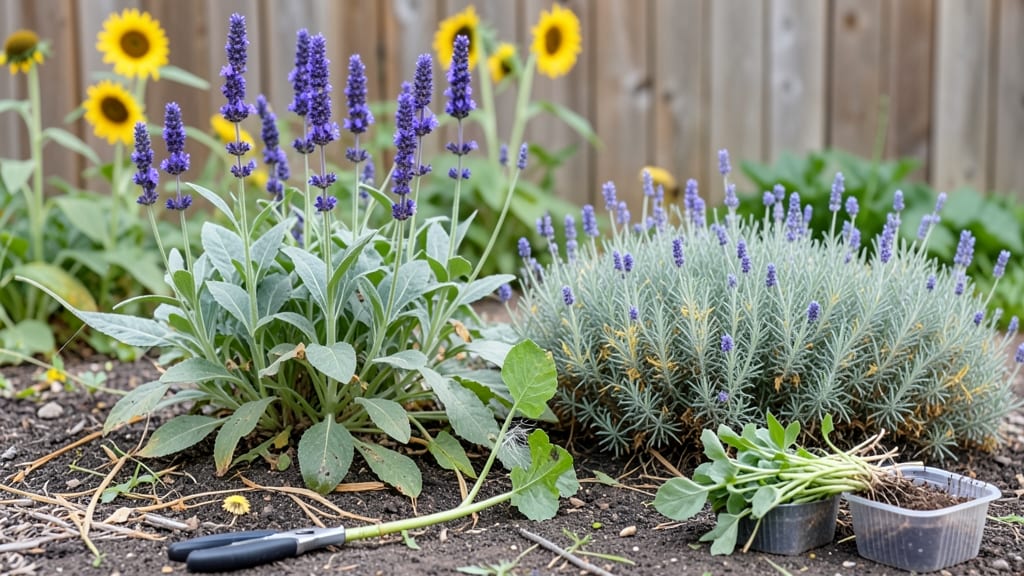
Lawn clippings as garden mulch provides free organic matter that enriches soil and retains moisture, but only when fresh, thinly applied, and used on nitrogen-loving plants like vegetables or compost piles. Avoid using clippings treated with herbicides or in thick layers that can smother plants or attract pests.
Lawn clippings make an excellent free fertilizer alternative because they break down quickly, releasing nutrients as they decompose. 🌱 This grass-based mulch is particularly effective for leafy greens and root vegetables, which thrive on the nitrogen boost.
However, timing matters—fresh clippings work best when spread within 24 hours of mowing to prevent matting. For flower beds or acid-loving plants like azaleas, I always opt for wood chips or straw instead, since grass clippings can alter soil pH over time.
One common mistake is piling clippings too thickly—more than ½ inch can create a suffocating layer that traps moisture and invites fungus. I’ve found that mixing clippings with dry leaves or straw creates a balanced mulch that works for both moisture retention and weed suppression.
Just remember: if your lawn was treated with herbicides, those chemicals will transfer to your garden soil, so always use untreated clippings.
💡 In This Article
- Nutrient Breakdown: How Lawn Clippings Boost Soil Health
- Best Practices for Applying Lawn Clippings as Mulch
Nutrient breakdown: how lawn clippings boost soil health
Lawn clippings contain about 3-4% nitrogen by dry weight, making them a potent natural fertilizer when decomposed. This nitrogen content comes from the grass blades themselves, which are rich in chlorophyll—a molecule packed with nitrogen atoms.
When clippings break down, soil microbes convert this nitrogen into forms plants can absorb, like ammonium and nitrate. 🌱 The process releases other essential nutrients too, including phosphorus and potassium, though in smaller amounts.
Here's what makes clippings unique compared to other mulches: straw has a carbon-to-nitrogen (C:N) ratio of 80:1, while fresh grass clippings sit around 15:1 to 20:1. This low ratio means they decompose quickly—typically within 2-4 weeks—without tying up soil nitrogen like carbon-heavy mulches (like leaves) might.
The rapid breakdown also improves soil structure by adding organic matter that enhances water retention and aeration.
What most people don't realize is how clippings affect microbial activity. The ideal C:N ratio for microbial growth is 25:1 to 30:1, and grass clippings provide a perfect "fast food" for soil bacteria and fungi.
These microbes then produce enzymes that break down complex organic matter further, creating a self-sustaining nutrient cycle. Over time, this process transforms dense soil into a fluffy, crumbly texture—similar to how adding compost improves garden beds.
For comparison, consider how clippings stack up against other common mulches: dry leaves (C:N ratio ~60:1) decompose slowly and may require nitrogen supplements, while wood chips (C:N ratio ~400:1) can actually rob soil of nitrogen as they break down.
Grass clippings strike a balance, making them ideal for nitrogen-hungry crops like lettuce or corn, which can absorb these nutrients within 1-2 weeks of application.
The real magic happens when you consider the long-term effects. A ½-inch layer of clippings (about 1 pound per 100 square feet) can add up to 0.5 pounds of nitrogen per 1,000 square feet over a growing season.
This is comparable to applying a light dose of synthetic fertilizer, but without the chemical runoff risks. The key is consistency—regular applications build soil organic matter over time, improving water infiltration and reducing compaction.
One advanced tip: mix clippings with dry, brown materials (like straw or shredded paper) to balance the C:N ratio for composting. This creates a 30:1 ratio, which is perfect for microbial activity without overheating the pile.
In your garden beds, this same principle applies—layering clippings with other organic matter prevents matting and ensures steady nutrient release. 💫