
Pruning
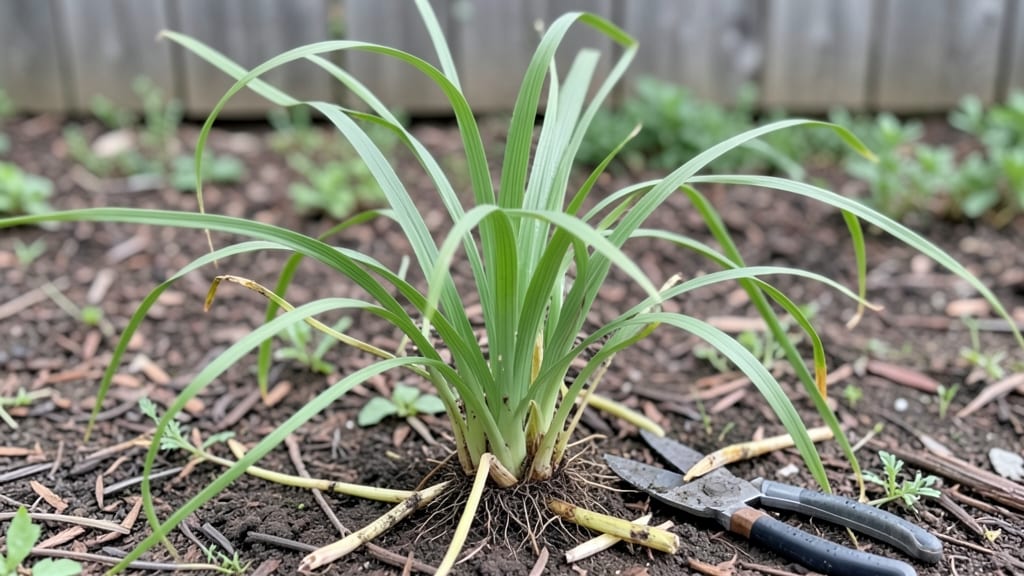
To cut back lemon grass, do it in early spring or right after flowering when fresh shoots appear but before the plant looks leggy. Start by removing any brown or yellowed leaves, then trim about one-third of the stalks to promote fuller growth and keep the plant healthy.
Timing matters because lemon grass grows in cycles—it sends out new growth after flowering or in spring, signaling it's ready for a trim. 🌱 Overgrown stalks can become woody and less productive, while cutting too late may stress the plant.
I’ve found that pruning in these windows also boosts the plant’s essential oil potency, making your harvest more flavorful for cooking.
When you notice the stalks stretching tall and thin or flowering stalks appearing, that’s your cue. This approach keeps your lemon grass lush and encourages those thick, flavorful stalks you love in Thai curries and stir-fries.
💡 In This Article
- Lemon Grass Growth Cycle and Pruning Timing
- Step-by-Step Lemon Grass Pruning Guide
Lemon grass growth cycle and pruning timing
The lemon grass plant follows a distinct seasonal growth pattern that directly influences when and how you should prune it. Here's what's actually happening: during its active growing season (spring through summer), lemon grass produces new shoots from its base, which are rich in essential oils and tender flavor.
This growth surge typically occurs after flowering or in early spring when temperatures rise above 60°F—the threshold that triggers active photosynthesis and nutrient translocation to the stalks. 🌿 The plant's natural rhythm means you'll see fresh, vibrant green shoots emerging from the base, signaling it's ready for pruning.
When you delay pruning beyond this window, several problems emerge. First, the stalks become woody and fibrous, reducing their culinary value and making them harder to use in recipes. Second, the plant's energy gets diverted to maintaining these elongated stalks rather than developing new growth at the base.
What most people don't realize is that overgrowth also stresses the root system—those thick, fibrous roots need space to absorb water and nutrients efficiently. When stalks grow too dense, they compete for resources, leading to yellowing leaves and reduced oil production in the stalks.
The science behind why early pruning boosts essential oil production is fascinating. When you trim about one-third of the stalks at the right time, you stimulate the plant's hormonal response—specifically, an increase in cytokinins, which are plant hormones that promote cell division and lateral shoot growth.
This hormonal shift redirects the plant's energy toward producing more essential oils in the new growth, making your harvest more aromatic. Studies show that properly timed pruning can increase citral content (the primary essential oil in lemon grass) by up to 20% compared to unpruned plants. 💛
Comparing the two main pruning windows reveals important distinctions. Spring pruning (around March-April in most climates) targets the plant's natural regrowth phase after winter dormancy, while post-flowering pruning (typically late summer) capitalizes on the plant's second growth cycle.
Fall pruning is generally discouraged because the plant is preparing for dormancy, and cutting back too late can leave it vulnerable to cold damage.
The key factor is always the plant's energy reserves—you want to prune when it has enough stored nutrients to support regrowth, not when it's conserving energy for survival.
Here's what happens if you prune at the wrong time: cutting too early in winter can shock the plant when it's still dormant, while late summer pruning may stimulate new growth that won't have time to harden off before cold weather arrives.
The ideal timing creates a balance—you're harvesting mature stalks while encouraging the plant to produce new growth that will mature before the next dormant period. This cycle maintains the plant's health and productivity for years, rather than exhausting it in one season. 🌱
Consider these seasonal cues when planning your pruning schedule:
- Spring pruning: Aim for when new shoots are 3-4 inches tall and temperatures consistently stay above 60°F
- Post-flowering pruning: Wait until flowering stalks have fully bloomed and begun to dry back
- Avoid pruning: During winter dormancy or when stalks show signs of disease (black spots, mold)
The visual difference between properly timed pruning and neglect is striking. A well-maintained lemon grass plant has a compact, bushy appearance with multiple stalks emerging from the base, while an overgrown plant becomes tall, leggy, and sparse at the base.
The aroma also changes—freshly pruned plants emit a bright, citrusy scent, while neglected ones develop a dull, earthy odor as the essential oils degrade. 💫